
Cupping therapy is a complementary plantar fasciitis treatment that uses controlled suction to reduce pain sensitivity and improve soft tissue movement in the foot and calf. Evidence supports possible short-term symptom relief, but cupping does not replace diagnosis, stretching, strengthening, load management, or supportive footwear.
Plantar fasciitis can make the first steps out of bed feel unexpectedly sharp and difficult. The pain may ease after several minutes of walking, only to return after a long workday, run, or period of standing. Cupping therapy may create a temporary window in which the heel feels less painful and the ankle moves more comfortably, making it easier to complete the active treatment needed for lasting improvement.
Cupping therapy is a complementary plantar fasciitis treatment that uses controlled suction to reduce pain sensitivity and improve soft tissue movement in the foot and calf. Evidence supports possible short-term symptom relief, but cupping does not replace diagnosis, stretching, strengthening, load management, or supportive footwear.
Plantar fasciitis can make the first steps out of bed feel unexpectedly sharp and difficult. The pain may ease after several minutes of walking, only to return after a long workday, run, or period of standing. Cupping therapy may create a temporary window in which the heel feels less painful and the ankle moves more comfortably, making it easier to complete the active treatment needed for lasting improvement.
Cupping can be a useful supportive treatment for plantar fasciitis when it reduces pain and makes walking, stretching, strengthening, and normal movement more comfortable. Its clearest potential benefit is short-term symptom relief rather than permanent structural repair.
One randomized trial found that both dry cupping and electrical stimulation improved pain and foot function over four weeks. Cupping was not significantly more effective than electrical stimulation, so it should be considered one possible treatment option rather than a superior therapy.
Another randomized study examined dry cupping applied to calf trigger points alongside stretching and ankle exercises. The combined approach improved certain measures of pain, strength, and pressure sensitivity, although some benefits were temporary.
Overall, cupping may help reduce discomfort and support rehabilitation. Its effectiveness should be measured through improvements in morning pain, walking tolerance, ankle mobility, and exercise capacity rather than by the darkness of the cupping marks.
Plantar fasciitis is an overload-related condition involving irritation and degeneration near the plantar fascia’s attachment to the heel. It usually causes plantar medial heel pain that is most noticeable during the first steps after sleep or rest.
The plantar fascia is a strong connective tissue structure that runs from the calcaneus, or heel bone, toward the toes. It helps maintain the longitudinal arch and transfers force through the foot during standing, walking, and running.
Although the condition is called plantar fasciitis, chronic cases often show degenerative changes rather than classic inflammation alone. Current clinical descriptions include repetitive microtrauma, collagen disruption, thickening, and reduced tissue capacity. For this reason, plantar fasciopathy is sometimes a more accurate term.
Current clinical estimates suggest that plantar fasciitis affects about 10 percent of the general population at some point. It is frequently associated with prolonged weight-bearing, running, limited ankle dorsiflexion, calf tightness, higher body load, flat or high-arched feet, and sudden changes in activity.
The typical pattern includes:
First-step pain is one of the most useful day-to-day measures of progress. A person who reports less pain during the first ten steps in the morning is often showing a more meaningful change than someone who only feels looser for an hour after treatment.
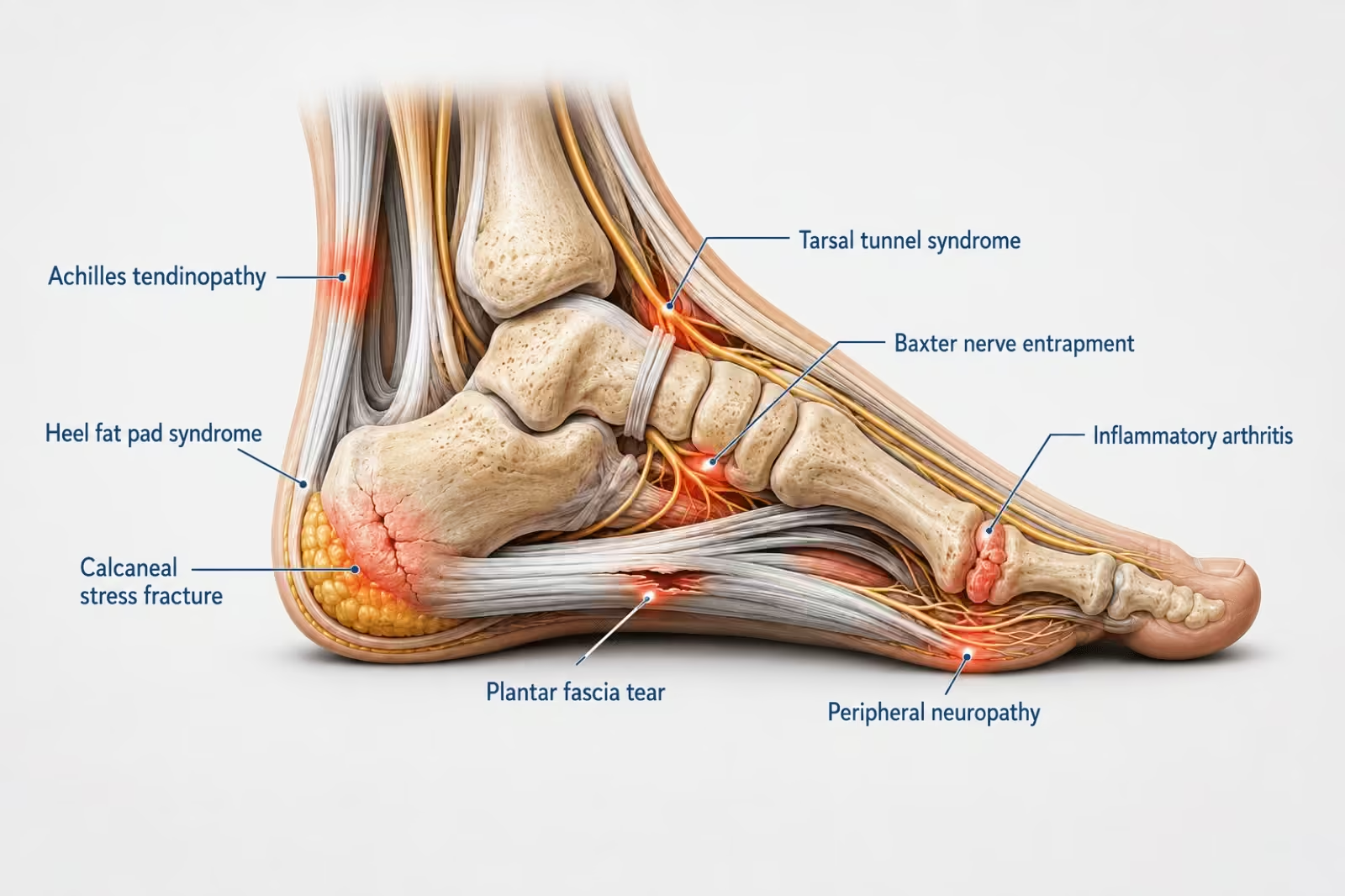
Cupping should not be applied to unexplained heel pain until the symptom pattern has been assessed. Several bone, nerve, tendon, and soft tissue conditions can resemble plantar fasciitis but require different treatment.
A clinical diagnosis is usually based on the history and physical examination. Imaging is not routinely required when symptoms match the expected pattern, but it may be appropriate when pain is atypical, follows trauma, or fails to improve.
Conditions that may imitate plantar fasciitis include:
Seek prompt medical evaluation for significant trauma, inability to bear weight, fever, warmth, spreading redness, severe swelling, progressive numbness, weakness, unexplained night pain, or an open wound.
Cupping creates negative pressure that lifts the skin and superficial soft tissue. This may temporarily influence pain perception, local blood flow, tissue glide, and movement tolerance, but the exact therapeutic mechanism remains uncertain.
Massage and manual pressure push tissue downward. Cupping applies force in the opposite direction by drawing tissue into a cup. Depending on the technique, the cup may remain stationary, move over lubricated skin, or stay in place while the patient gently moves the ankle.
One plausible effect is sensory modulation. The pulling sensation activates skin and soft tissue receptors that compete with or modify pain signals. This can temporarily reduce pain sensitivity and make the heel or calf feel less guarded.
Pain relief does not necessarily mean the fascia has structurally healed. A patient may walk more comfortably immediately after cupping while the tissue still requires gradual loading and recovery.
Cupping produces visible changes in superficial blood flow. These changes may contribute to warmth and altered sensation around the treatment area. However, increased circulation should not be presented as proof that collagen has regenerated or that the natural healing process has accelerated.
The National Center for Complementary and Integrative Health concludes that cupping may reduce pain, but the overall evidence remains limited and much of the available research is low quality.
Cupping may temporarily change how the skin and superficial fascial layers move over one another. Dynamic cupping can also provide a mobilizing sensation during ankle movement.
Claims that cups physically “break up scar tissue” or “vacuum out adhesions” are too definitive. Human tissue does not behave like hardened material that can simply be pulled apart. Improvements are better understood as changes in pain, muscle tone, movement tolerance, and tissue glide.
The gastrocnemius and soleus muscles connect to the heel through the Achilles tendon and influence ankle dorsiflexion. When ankle motion is limited, the body may compensate during walking by increasing stress through the foot.
Cupping the calf may reduce perceived tightness or trigger-point sensitivity. This can make calf stretching or ankle movement more comfortable. It does not permanently lengthen the calf or correct movement mechanics, so mobility and strengthening exercises remain necessary.
Pain reduction is the most consistent potential benefit. Some people experience less discomfort immediately after treatment, while others notice changes later that day or over several sessions.
Short-term relief is valuable when pain has prevented normal walking or exercise. The goal is to use that relief to restore movement rather than repeatedly relying on passive treatment.
Morning first-step pain is strongly associated with plantar fasciitis. Limited research suggests that adding calf cupping to an exercise program may reduce this symptom for some patients.
Dry cupping studies have reported short-term increases in ankle dorsiflexion. Improved ankle movement may make walking, squatting, and calf stretching feel easier, although some measured improvements were brief.
Patients often describe a lighter or less restricted feeling after calf cupping. This may reflect a change in pain sensitivity and muscle guarding rather than a permanent change in muscle length.
A person who cannot perform a heel raise or plantar fascia stretch because of pain may be able to complete the movement more comfortably after cupping. This is one of the most practical reasons to include cupping in a rehabilitation plan.
Dry cupping does not require medication or injections. It may be considered by patients seeking a non-drug complement to conservative care, provided that contraindications have been screened and expectations remain realistic.
Dry cupping uses suction without puncturing the skin. This is the form most relevant to musculoskeletal heel pain.
Wet cupping involves making small skin punctures and drawing blood into the cup. It is not necessary for treating plantar fasciitis and introduces additional bleeding and infection risks.
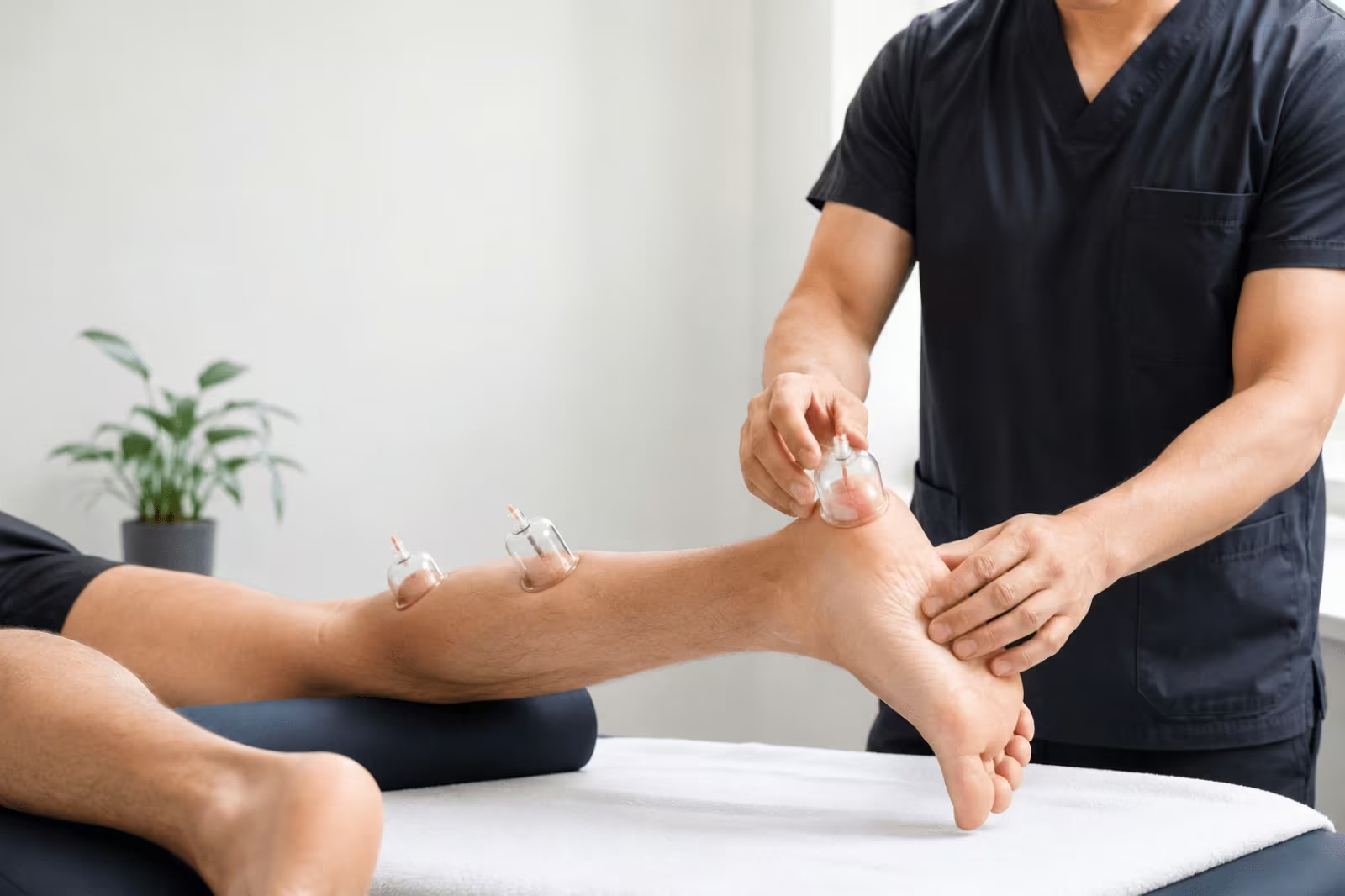
A cup remains in one position for a brief period. Static cups are often easier to use on the calf, where there is enough soft tissue to maintain a seal.
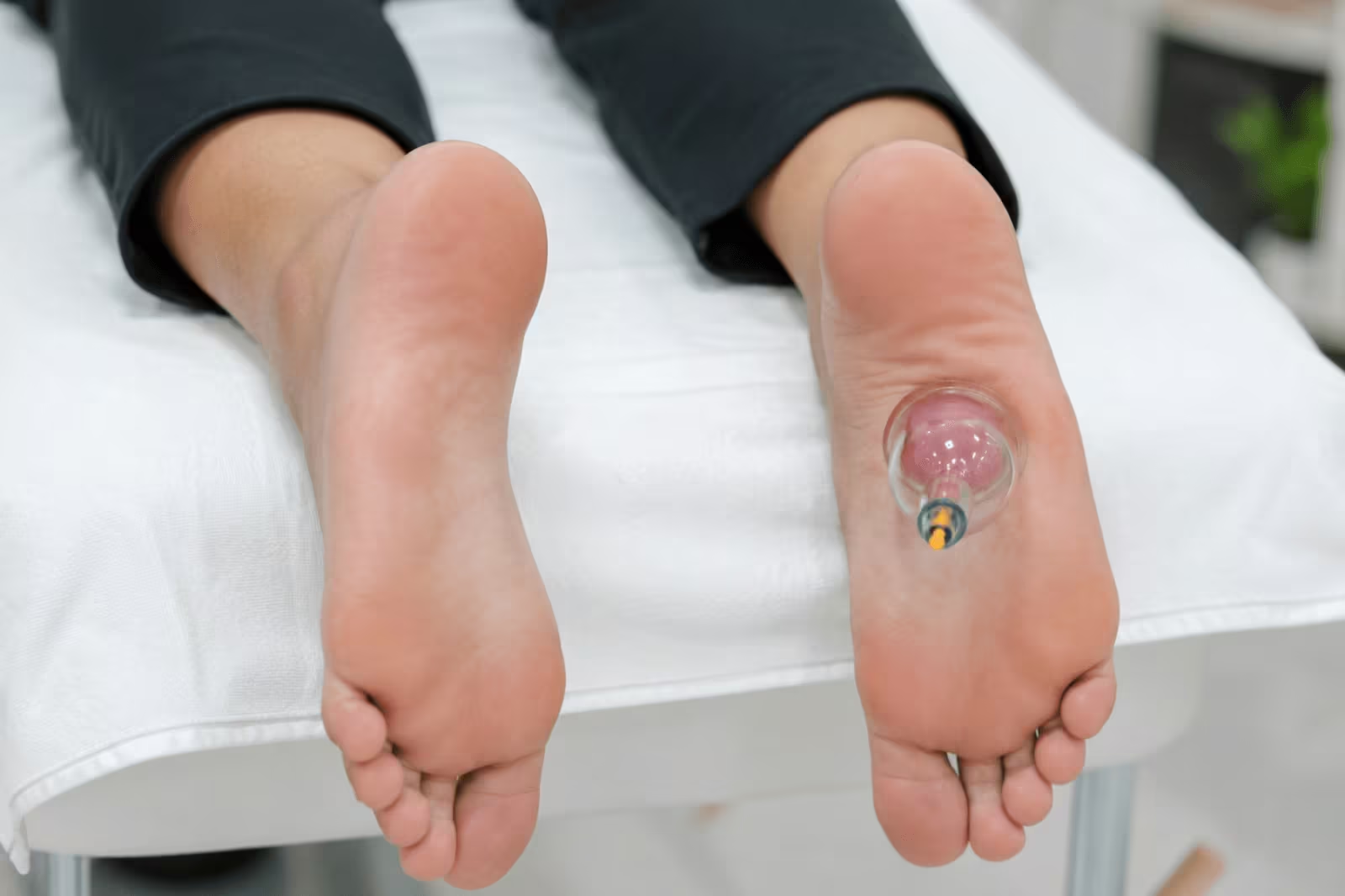
Static suction on the sole requires careful cup selection because the foot has irregular contours and limited soft tissue coverage.
A practitioner applies a lubricant and moves a cup slowly over the skin. Gliding techniques generally use lighter suction than static cupping.
Dynamic cupping may be used over the calf or arch to combine suction with gentle soft tissue movement. Excessive friction or suction can irritate the skin.
A cup remains attached while the patient gently flexes and extends the ankle or moves the toes. The purpose is to combine negative pressure with controlled movement.
Movement should remain comfortable. Sharp pain, burning, numbness, or tingling indicates that the technique or suction level should be changed.
Cups may be placed on the calf, lower leg, medial arch, or selected areas of the plantar foot. Placement should be based on the examination rather than a universal map of cupping points.
The gastrocnemius and soleus are common treatment areas because calf tightness, trigger-point sensitivity, weakness, and limited ankle dorsiflexion may contribute to the patient’s movement limitations.
The calf also provides a more stable surface for cups than the bottom of the foot.
Treatment may extend toward the lower calf, but aggressive suction should not be applied over an acutely painful Achilles tendon, recent injury, surgical site, or area of compromised skin.
Small, flexible cups may be used along the arch with light suction. The practitioner should avoid creating sharp pain or excessive pressure over nerves and bony areas.
Cupping can be performed on the bottom of the foot, but this area is technically challenging. The thick skin, curves of the arch, heel bone, and sensitive structures make forceful self-treatment inappropriate.
The painful heel may have limited soft tissue coverage and high irritability. Placing maximum suction directly over it can worsen sensitivity without improving the underlying loading problem.
A more effective session may treat the calf, improve ankle movement, and then introduce controlled foot exercises. The treatment should address the movement system, not simply chase the point that hurts most.
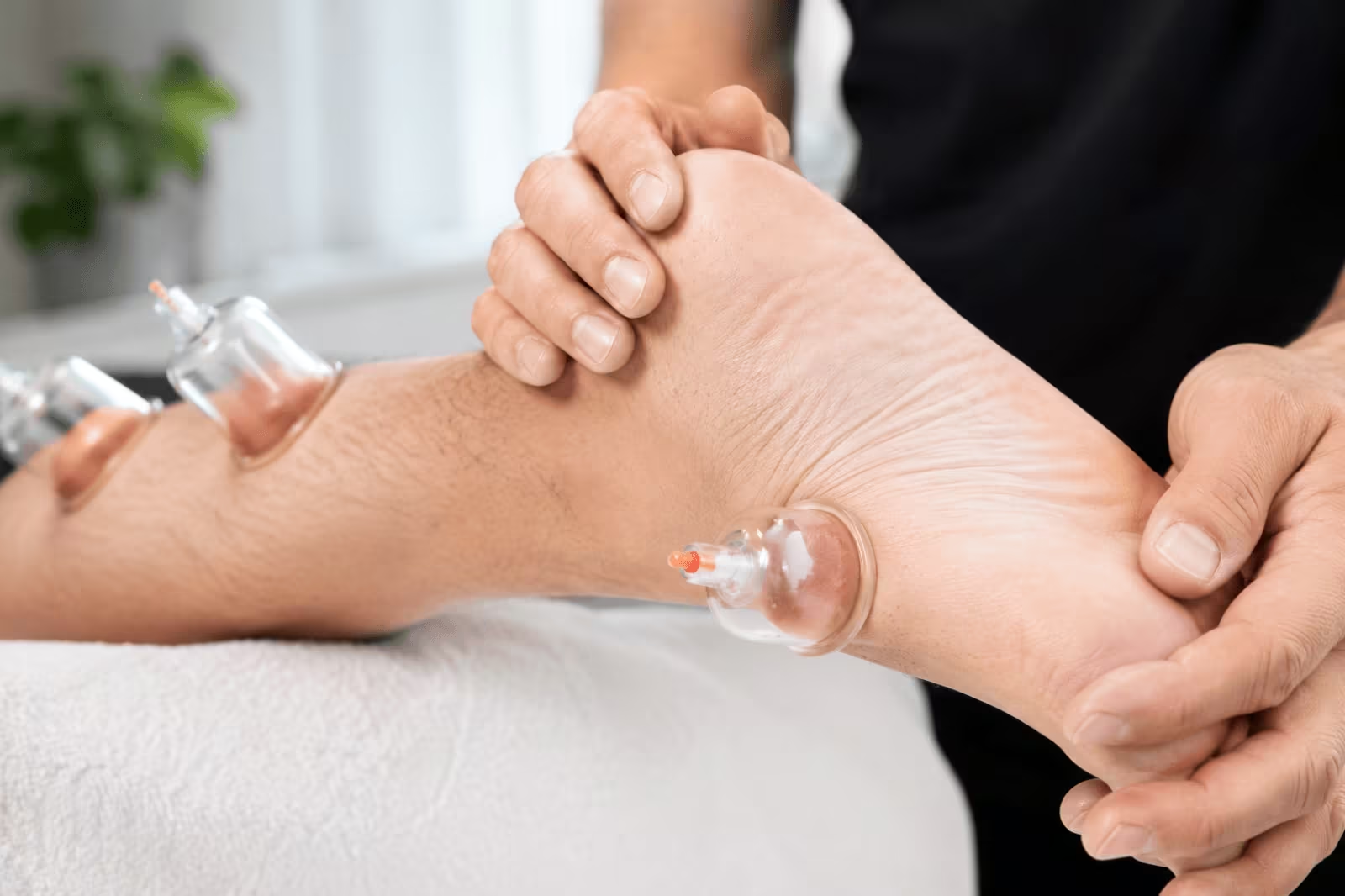
Most patients describe cupping as a firm pulling or lifting sensation. Calf treatment often feels less sensitive than treatment along the arch.
Cupping should not cause:
Discomfort is not proof that treatment is working. A lower suction level often produces a better response on the foot than aggressive suction.
The cupping portion of treatment may be brief or may involve several applications. Duration depends on:
Research protocols have used scheduled treatments over several weeks, but these study designs should not be treated as universal prescriptions. One trial used two sessions per week for four weeks, while other studies examined immediate or shorter-term effects.
There is no established number of cupping sessions that cures plantar fasciitis. Treatment should continue only when it produces measurable improvements and supports progress toward independent exercise and normal activity.
Some people notice short-term relief after one appointment. Others require several sessions before the treatment plan can be evaluated. Chronic symptoms, high occupational loading, reduced strength, limited ankle motion, and inconsistent rehabilitation may lengthen recovery.
Useful measures include:
Continuing cupping indefinitely without functional improvement is not an effective long-term strategy. Lack of progress should trigger reassessment of the diagnosis, loading plan, footwear, exercise dosage, and need for medical evaluation.
Recovery from a cupping session is usually brief, but recovery from plantar fasciitis occurs over weeks or months. Temporary pain relief after cupping should be used to support gradual rehabilitation rather than an immediate return to unrestricted loading.
The treated area may feel:
Some patients feel little immediate change. Others experience relief that lasts several hours or days. Neither response alone determines the long-term outcome.
Mild soreness or skin sensitivity can occur. Normal daily movement is usually acceptable when comfortable, but high-impact activity may need to be reduced if the area feels more sensitive.
There is no evidence that patients must drink excessive water to “flush out toxins.” Normal hydration is sufficient. Cupping marks result from local mechanical and vascular effects, not toxins leaving the body.
Walking or low-impact activity may continue when it does not produce a significant flare. Running, jumping, or prolonged standing should be progressed according to the overall plantar fasciitis plan, not according to whether the cupping marks have disappeared.
A practical loading rule is to monitor:
A marked increase the next morning may indicate that the previous day’s load exceeded current tissue capacity.
Plantar fasciitis often improves slowly. Clinical summaries report that resolution may take weeks or months, and many cases improve with consistent nonsurgical care over the course of several months.
Cupping may change symptoms faster than the plantar fascia adapts. Feeling better after a session should therefore be viewed as an opportunity to move and exercise more effectively, not as proof that the foot is ready for an abrupt increase in training.
Temporary circular discoloration can occur where static cups were placed. Marks may be less obvious on the thick skin of the sole and more visible on the calf.
The darkness of a mark does not reveal how many “toxins” were present, how severe the condition is, or how effective the treatment was.
Contact the practitioner if treatment causes:
Cupping is most useful when it supports an active plan that improves flexibility, strength, load tolerance, and daily movement.
The current clinical practice guideline gives stronger support to a multimodal rehabilitation approach than to any single passive treatment. Recommended components include manual therapy, plantar fascia and calf stretching, foot taping, selected use of orthoses or night splints, and resistance training for the foot and ankle.
A plantar fascia stretch usually involves gently extending the toes while supporting the arch. It is often used before the first steps in the morning or after prolonged sitting.
The stretch should create tension through the arch without sharp heel pain.
Both straight-knee and bent-knee calf stretches may be used because they emphasize different portions of the calf complex.
Clinical guidelines strongly recommend plantar fascia-specific and gastrocnemius-soleus stretching for pain reduction and improved function.
Strengthening helps the foot and ankle tolerate load rather than repeatedly avoiding it. Exercises may include:
The exercise difficulty should be increased gradually according to symptoms and capacity.
Complete rest can reduce fitness and tissue capacity. Continuing unrestricted painful activity can also delay progress.
An effective plan modifies distance, speed, standing time, hills, jumping, or training frequency while maintaining as much comfortable activity as possible.
Shoes with appropriate cushioning and support may reduce irritation during recovery. A sudden switch to flat, unsupportive, or minimalist footwear can increase plantar load in an unprepared foot.
Orthoses should not be treated as a stand-alone cure. Guidelines support using prefabricated or custom orthoses as part of a broader plan when clinically appropriate.
Rigid or elastic foot taping may provide short-term pain relief and support. A positive response to taping can also help guide footwear or orthotic decisions.
A one-to-three-month night-splint program may be recommended for patients with persistent first-step morning pain.
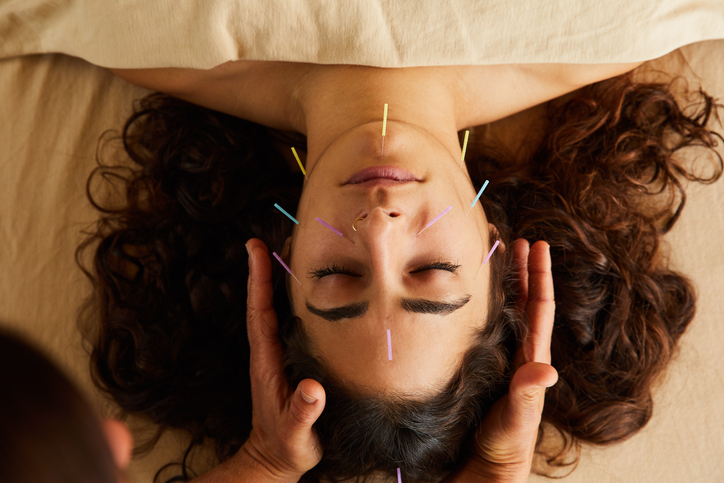
Acupuncture for plantar fasciitis may help reduce heel pain, ease calf and foot tension, and improve comfort during walking and exercise. It can also be combined with cupping, stretching, strengthening, and footwear support.
Neither treatment eliminates the need for progressive loading when weakness, reduced mobility, or repetitive strain contributes to the condition.
Professional cupping is safer for plantar fasciitis because the foot contains sensitive nerves, bony prominences, irregular contours, and areas with limited soft tissue coverage. A clinician can also determine whether the pain pattern is appropriate for cupping.
At-home kits are widely available, but availability does not establish safety or effectiveness. Common self-treatment errors include:
Professional assessment is especially important for people with diabetes, neuropathy, circulation problems, anticoagulant use, previous foot surgery, unexplained swelling, or persistent bilateral symptoms.
Dry cupping commonly causes temporary skin marks and tenderness. Burns, blisters, infection, scarring, and persistent discoloration are less common but possible, particularly when technique, equipment hygiene, or patient selection is poor.
The National Center for Complementary and Integrative Health reports that cupping may cause persistent discoloration, scars, burns, and infections and may worsen eczema or psoriasis. Equipment can also transmit bloodborne infection when it becomes contaminated and is not properly sterilized.
Cupping should be avoided or carefully modified over:
People with bleeding disorders or those taking blood-thinning medication should disclose this information before treatment. The practitioner may modify the suction, choose another treatment, or request medical clearance.
Cupping may be reasonable when:
It may be less useful when the primary problem is an unrecognized stress fracture, nerve entrapment, systemic inflammatory condition, severe weakness, or continued excessive loading that has not been addressed.
Cupping therapy can create a valuable window of reduced pain, easier ankle movement, and less perceived calf tension. The strongest results occur when that window is used to restore strength, improve mobility, adjust excessive loading, and return gradually to normal activity.
At ACA Acupuncture and Wellness, we develop individualized treatment plans that may combine cupping, acupuncture, movement guidance, and supportive care for plantar fasciitis and persistent heel pain. We also help determine the right cupping treatment frequency based on your symptoms, recovery goals, and response to care. Stop letting painful first steps control your mornings and daily movement. Schedule an appointment with us to receive a professional assessment and a treatment plan built around lasting recovery.
Sources
Koc, T. A., Jr., Bise, C. G., Neville, C., Carreira, D., Martin, R. L., and McDonough, C. M. (2023). Heel Pain–Plantar Fasciitis: Revision 2023. Journal of Orthopaedic & Sports Physical Therapy, 53(12), CPG1–CPG39.
Ge, W., Leson, C., and Vukovic, C. (2017). Dry Cupping for Plantar Fasciitis: A Randomized Controlled Trial. Journal of Physical Therapy Science, 29(5), 859–862.
AlKhadhrawi, N., and Alshami, A. (2019). Effects of Myofascial Trigger Point Dry Cupping on Pain and Function in Patients With Plantar Heel Pain: A Randomized Controlled Trial. Journal of Bodywork and Movement Therapies, 23(3), 532–538.
National Center for Complementary and Integrative Health. Cupping. National Institutes of Health.
The worst common mistake is continuing the same high-impact activity through worsening heel pain while relying only on passive treatments. Repeatedly running, jumping, or standing for long periods without adjusting the load can keep irritating the plantar fascia. Complete inactivity is not ideal either because the foot needs gradual, controlled strengthening. Recovery usually requires temporary activity modification, plantar fascia and calf stretching, progressive foot and ankle exercises, and appropriate footwear.
Traditional Chinese medicine practitioners may treat plantar fasciitis with acupuncture and sometimes combine it with cupping, manual therapy, and movement guidance. Acupuncture involves inserting fine needles at selected local and distal points to reduce pain and influence the body’s pain-regulating responses. Clinical research suggests that acupuncture may provide short-term relief from plantar heel pain, although it should be incorporated into a broader plan that addresses strength, flexibility, footwear, and activity levels.
Dry cupping can be applied to selected areas on the bottom of the foot, but it should be performed carefully because the sole contains sensitive nerves, bony prominences, thick skin, and areas with limited soft tissue. Strong suction can cause unnecessary pain, bruising, blisters, or skin damage. Cupping should not be applied over open wounds, infections, recent fractures, impaired sensation, or areas with severe circulation problems. Professional treatment is preferable, particularly for people with diabetes, neuropathy, vascular disease, or unexplained heel pain.
Cupping may help reduce plantar fasciitis pain and improve foot function in the short term. In a randomized trial, people receiving dry cupping twice weekly for four weeks experienced improvements in pain and function. However, cupping was not significantly more effective than electrical stimulation. It is therefore best used as a complementary treatment alongside stretching, progressive strengthening, activity modification, and supportive footwear rather than as a stand-alone cure.
Cupping can temporarily aggravate symptoms when the suction is too strong, cups are placed aggressively over the painful heel, or treatment is performed on an incorrectly diagnosed injury. Some mild tenderness and temporary skin discoloration can be expected, but sharp pain, burning, numbness, blistering, or increasing swelling is not a normal therapeutic response. Cupping should be stopped and the area assessed when symptoms become substantially worse after treatment.
There is no universally established cupping schedule for plantar fasciitis. One clinical trial provided dry cupping twice a week for four weeks, but that research protocol should not be treated as the correct schedule for every patient. Frequency should depend on skin recovery, symptom sensitivity, medical history, and measurable changes in morning pain, walking tolerance, and exercise ability. Cupping should not be repeated over bruised, blistered, painful, or otherwise irritated skin.
LOCATIONS
MANHATTAN
QUEENS
NEW JERSEY
CALIFORNIA

The over $4 billion US acupuncture market offers a great opportunity with over 10% annual growth rates and a continuing flow of new patients interested in the benefits of acupuncture.
