
Cupping therapy for knee pain uses controlled suction on soft tissues around the knee to temporarily reduce pain, tightness, and movement discomfort. It can be useful as supportive care for osteoarthritis-related symptoms, muscular tension, and overuse, but it does not repair damaged cartilage, ligaments, or meniscus tissue. The best use of cupping connects short-term symptom relief with appropriate exercise, rehabilitation, acupuncture, or medical treatment.
Knee pain can make simple movements such as getting out of a chair, climbing stairs, walking, exercising, or bending the leg unexpectedly difficult. Because the knee sits between powerful muscle groups above and below the joint, the place that hurts is not always the only tissue influencing the problem.
That is why we do not look at cupping as a treatment that should automatically be applied wherever a person points to pain. The underlying cause, the surrounding muscles, the condition of the joint, the skin, circulation, previous injuries, and the person’s overall treatment plan all matter.
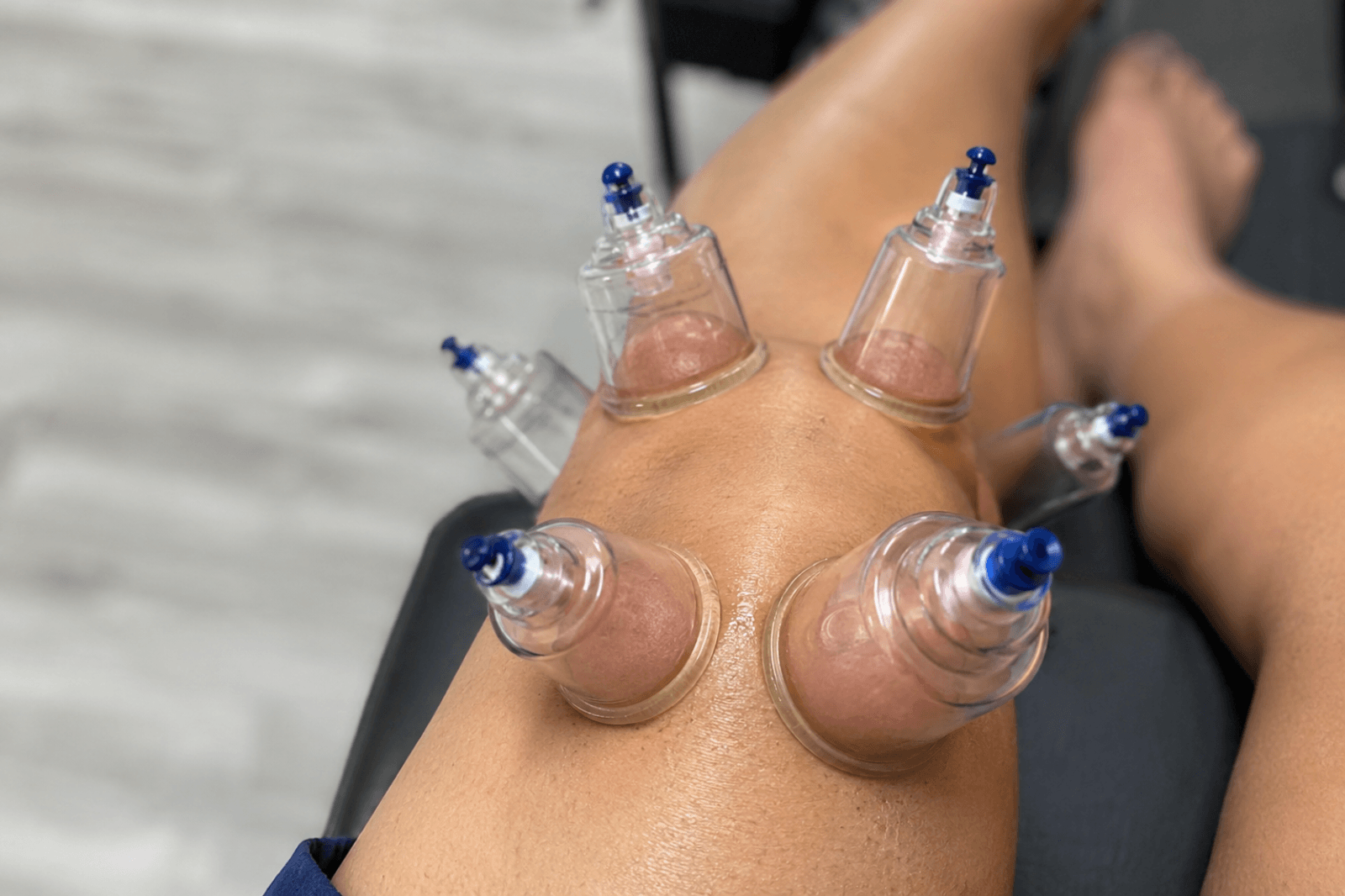
Cupping therapy for knee pain uses controlled suction on soft tissues around the knee to temporarily reduce pain, tightness, and movement discomfort. It can be useful as supportive care for osteoarthritis-related symptoms, muscular tension, and overuse, but it does not repair damaged cartilage, ligaments, or meniscus tissue. The best use of cupping connects short-term symptom relief with appropriate exercise, rehabilitation, acupuncture, or medical treatment.
Knee pain can make simple movements such as getting out of a chair, climbing stairs, walking, exercising, or bending the leg unexpectedly difficult. Because the knee sits between powerful muscle groups above and below the joint, the place that hurts is not always the only tissue influencing the problem.
That is why we do not look at cupping as a treatment that should automatically be applied wherever a person points to pain. The underlying cause, the surrounding muscles, the condition of the joint, the skin, circulation, previous injuries, and the person’s overall treatment plan all matter.
For some people, cupping therapy can temporarily ease knee pain and surrounding soft-tissue tension, but it works best as a supportive treatment rather than a standalone cure.
The research is more nuanced than a simple yes or no.
A recent systematic review and meta-analysis of randomized trials evaluating chronic musculoskeletal pain found that cupping significantly reduced pain intensity in the immediate term. However, the same analysis did not find a significant improvement in functional disability. The studies also showed substantial variation in participants, treatment techniques, and results.
That distinction between pain and function matters.
Feeling less pain after treatment is valuable, particularly when pain has been limiting normal movement. But a reduction in pain does not automatically mean that the knee has become structurally healthier or that strength, balance, mobility, and physical capacity have improved.
Knee-specific research makes that distinction even clearer.
In a placebo-controlled trial involving 62 women with knee osteoarthritis, participants received either dry cupping or sham cupping twice weekly across 12 treatment sessions. Both groups experienced some changes, but actual dry cupping was not superior to sham cupping for pain, physical function, disability, or quality of life.
Earlier research was more favorable. One small exploratory trial involving 40 people with knee osteoarthritis reported improvements after eight pulsatile dry-cupping sessions compared with receiving no intervention. However, the small sample and lack of an active placebo make it difficult to determine how much of the improvement resulted specifically from cupping.
A separate synthesis of five randomized trials involving 535 participants also reported improvements in pain, stiffness, and function, but every included study was considered at high risk of bias.
Taken together, the evidence supports a practical conclusion: cupping may help some people feel better temporarily, but results vary, the treatment effect is not guaranteed, and cupping should not be presented as a proven cure for knee disease.
Cupping is difficult to study because “cupping therapy” is not one standardized intervention.
Treatment can vary in:
Creating a convincing sham treatment is also challenging because patients can often feel whether meaningful suction is being applied.
Pain itself is influenced by more than tissue damage. Sensory input, expectations, previous treatment experiences, nervous system activity, stress, movement confidence, and the interaction with the practitioner can all influence how pain is perceived.
That does not mean a patient’s improvement is imaginary. It means pain is biologically complex, and treatment outcomes cannot always be reduced to a single mechanical explanation.
Cupping is most relevant when knee pain includes a muscular, myofascial, stiffness, or chronic pain component rather than an untreated structural emergency.
The knee is influenced by the quadriceps at the front of the thigh, hamstrings behind the thigh, calf muscles below the joint, hip muscles above it, tendons, fascia, ligaments, cartilage, and the joint itself.
A treatment that changes sensation or muscle tension around these structures can sometimes change how the knee feels even when the cups are not placed directly on the painful spot.
Knee osteoarthritis can cause aching, stiffness, reduced movement, pain during weight-bearing activities, and discomfort after prolonged sitting or inactivity.
Cupping is sometimes used as an adjunct for these symptoms.
The realistic goal is symptom management rather than disease reversal.
Cupping does not restore worn cartilage or reverse the structural changes associated with osteoarthritis. Instead, any benefit is more likely to involve short-term pain modulation, changes in surrounding muscle tension, and temporary changes in how comfortable the knee feels during movement.
For someone who finds exercise difficult because the knee feels stiff and guarded, even temporary symptom relief may have practical value if it makes walking, mobility work, or strengthening more tolerable.
That creates an important distinction: the treatment may help create a better opportunity to move, but movement and rehabilitation remain essential for improving long-term physical capacity.
The quadriceps muscles produce much of the force required to straighten the knee, rise from a chair, control descending stairs, run, jump, and squat.
Repeated loading can leave the anterior thigh feeling tight or sore.
In appropriate cases, cupping may be applied to portions of the quadriceps rather than directly over the kneecap itself. This may change the sensation of tightness and make knee movement feel less restricted temporarily.
However, persistent pain around or behind the kneecap can have multiple causes. Patellofemoral pain, tendon problems, joint irritation, training errors, and movement mechanics may all contribute.
Cupping should therefore support assessment rather than replace it.
Both the hamstrings and calf muscles cross or influence the knee.
Excessive training, rapid changes in exercise volume, sprinting, repetitive hill work, or prolonged muscle guarding can create discomfort near their attachments.
When the problem is muscular, appropriately placed cupping may be used to reduce perceived tightness and support comfortable motion.
But pain near the back of the knee deserves particular attention because not every posterior knee symptom is muscular.
Athletes and recreational exercisers often explore cupping when knee discomfort appears after repeated training.
Potential contributors include:
Cupping may temporarily make surrounding tissues feel less tight after repetitive activity.
It should not be used to repeatedly suppress pain while continuing the same training load that is provoking the problem. If symptoms return every time activity resumes, the training pattern, tissue capacity, movement mechanics, or diagnosis needs attention.
Patellofemoral pain typically involves discomfort around or behind the kneecap, often during stairs, squats, running, or prolonged sitting.
Muscle tension may contribute to the overall symptom picture, but strengthening and progressive load management usually play a larger role in recovery.
Cupping may therefore serve as a symptom-modifying tool rather than the central treatment.
If it helps someone move more comfortably before completing quadriceps, hip, or mobility exercises, it may have a useful supporting role.
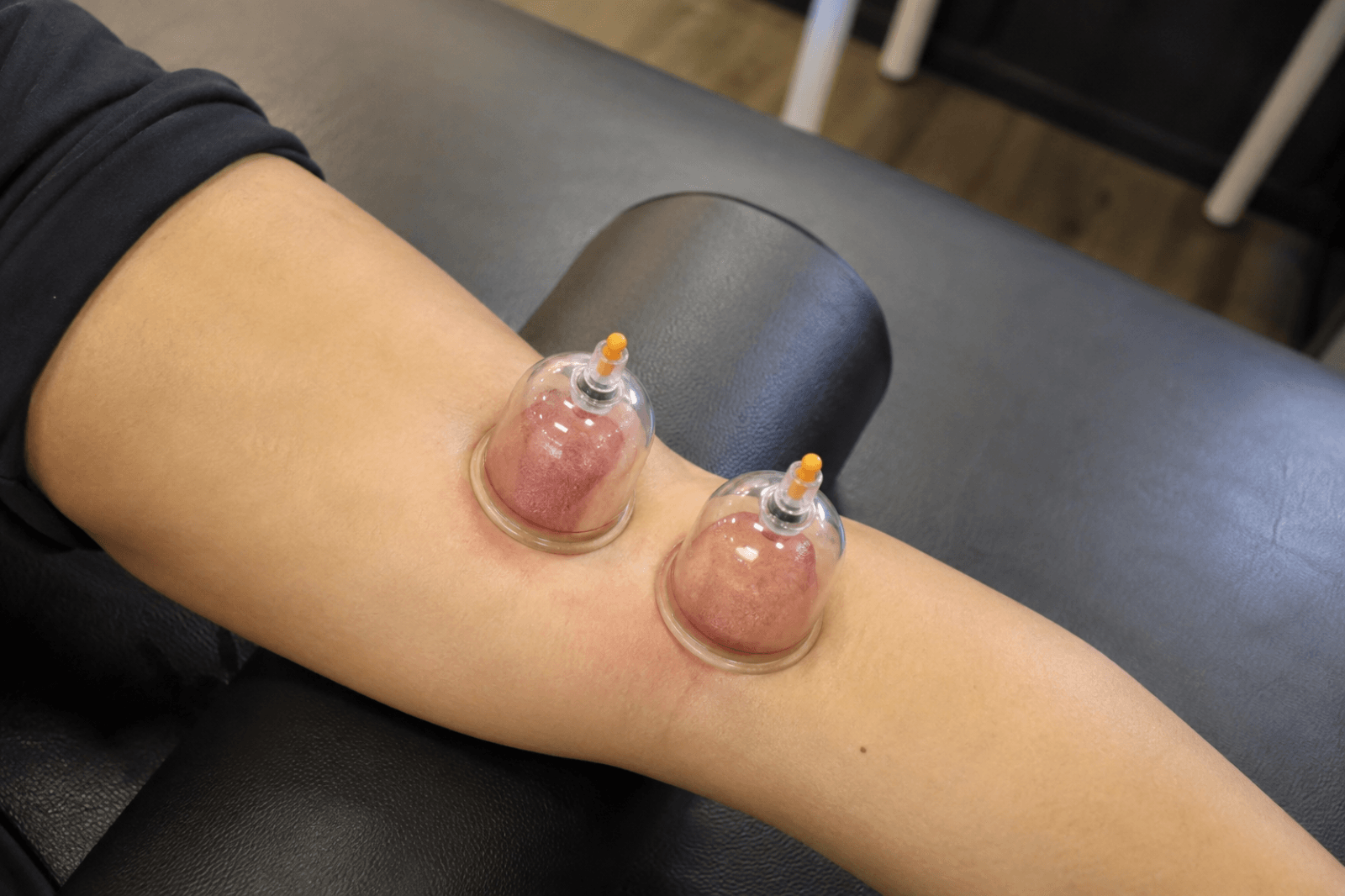
Pain behind the knee should be evaluated based on its cause before cupping is considered.
The back of the knee is called the popliteal region. It contains tendons, muscles, nerves, arteries, veins, and other important structures.
Posterior knee pain may come from:
A Baker’s cyst, for example, is a fluid-filled swelling that develops behind the knee, often in response to another problem inside the joint. It should not automatically be treated as muscular tightness.
Deep vein thrombosis is even more important to recognize because a blood clot requires urgent medical care rather than manual therapy.
Current clinical references specifically list areas affected by deep vein thrombosis among places where cupping should not be performed. They also caution against applying cups directly over major veins, arteries, nerves, inflamed skin, fractures, and open wounds.
For that reason, strong suction should not simply be placed in the center of the back of the knee because that is where the discomfort is felt.
Cupping should not delay medical evaluation when knee pain may reflect a fracture, serious injury, infection, blood clot, or another condition that requires specific treatment.
Seek appropriate medical assessment when knee pain is accompanied by:
Clinical guidance specifically recommends medical evaluation for marked swelling, inability to bear weight, major loss of motion, deformity, severe injury-related pain, or fever accompanying a red and swollen knee.
Chest pain or shortness of breath occurring with unexplained calf or leg swelling requires urgent medical attention because those symptoms can occur with serious blood-clot complications.
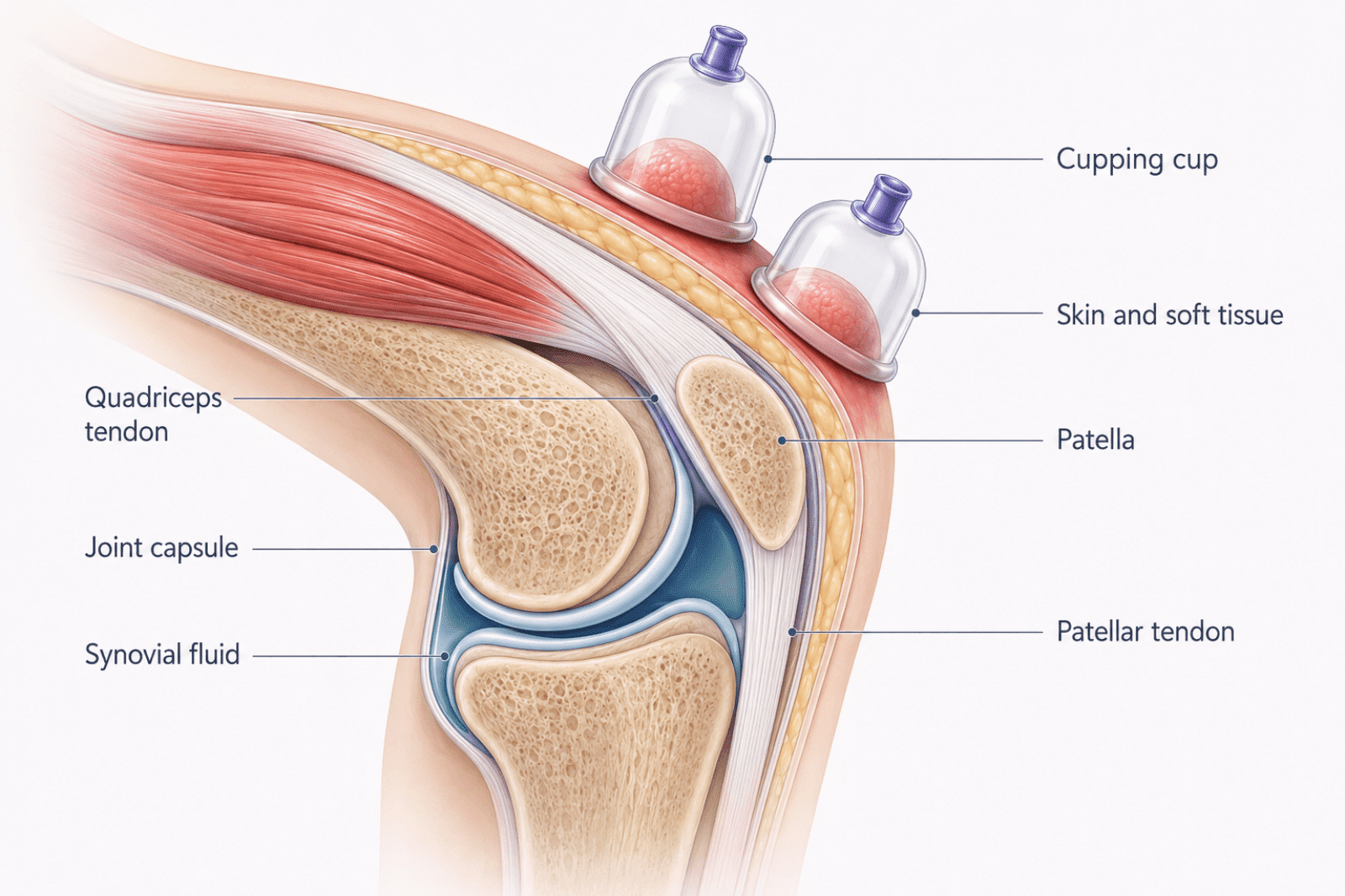
Cupping creates negative pressure that lifts superficial skin and soft tissue rather than compressing tissue downward in the way conventional massage typically does.
This is why rehabilitation clinicians sometimes describe cupping as myofascial decompression.
There are several proposed mechanisms, but it is important to distinguish measurable physiological responses from theories that remain uncertain.
During massage, pressure generally pushes into the body.
During cupping, negative pressure draws the skin and superficial tissue upward into the cup.
That difference creates a distinct sensory and mechanical stimulus.
The skin, superficial fascia, small blood vessels, and sensory receptors in the treatment area respond to the suction.
This may temporarily change how tight or sensitive the tissue feels.
Pain is not simply a direct measurement of tissue damage.
The nervous system continuously processes information from pressure receptors, movement receptors, temperature receptors, and pain-sensitive nerve endings.
One proposed explanation for cupping involves pain-gate mechanisms. Strong non-damaging sensory input from the skin may compete with or alter the transmission of pain signals through the nervous system.
This is one reason a person’s pain can change quickly even though the underlying structure of the knee has not changed.
Pain-gate theory is one of several proposed mechanisms described in medical literature on cupping, although the precise mechanism responsible for clinical benefit remains uncertain.
Suction produces visible changes in superficial circulation.
Blood flow near the surface of the skin may increase temporarily, and small blood vessels can dilate or rupture enough to produce the characteristic circular marks.
This should not be interpreted as proof that cupping is delivering new blood directly to damaged cartilage deep inside the knee.
Articular cartilage has very limited blood supply. A visible increase in skin circulation does not mean that cupping is regenerating cartilage or directly repairing internal joint structures.
That distinction is especially important when discussing arthritis.
Moving or static cupping can alter the mechanical and sensory input to superficial tissues.
Some people report that an area feels looser afterward or that bending the knee becomes more comfortable.
That temporary change can be useful when it allows a person to perform mobility or strengthening exercises with less guarding.
The most clinically valuable question is therefore not simply, “Did the tissue feel looser?”
A better question is, “Did the person move or function better afterward?”
Several popular explanations for cupping go beyond what current evidence can establish.
Dark circular marks are not a visual map of accumulated toxins.
The marks reflect local vascular and skin responses to negative pressure.
Their color can vary based on suction strength, treatment duration, skin characteristics, vascular response, previous treatment, and individual sensitivity.
No good clinical evidence demonstrates that external suction regenerates articular cartilage.
Pain may improve without structural regeneration, which is common across many pain treatments.
Meniscus injuries range from minor degenerative changes to significant tears.
Cupping may affect surrounding muscular discomfort, but it cannot mechanically reconnect torn meniscal tissue.
Anterior cruciate ligament, posterior cruciate ligament, medial collateral ligament, and other ligament injuries require appropriate orthopedic and rehabilitation assessment.
Suction does not restore ligament continuity.
A Baker’s cyst usually develops because fluid from the knee joint moves into a sac behind the knee.
Managing the underlying reason for excess joint fluid is more important than attempting to manipulate the swelling externally.
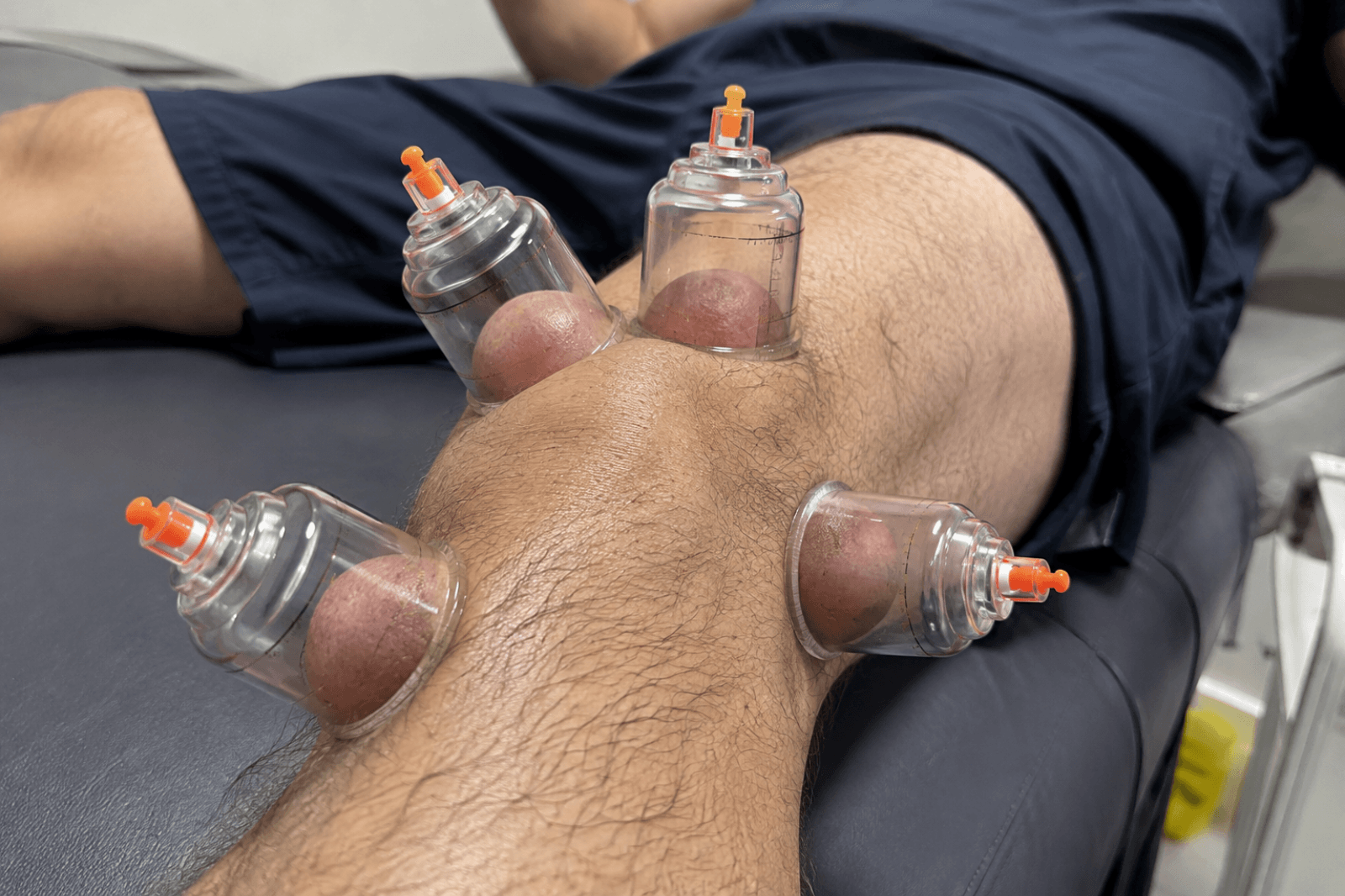
The most realistic benefits of cupping relate to symptom modulation and rehabilitation support.
Pain reduction is the most consistently investigated potential benefit.
A recent meta-analysis reported a significant immediate reduction in chronic musculoskeletal pain intensity, although it did not find a corresponding significant improvement in functional disability.
That finding supports using pain relief as one possible outcome while avoiding the assumption that less pain automatically means full recovery.
People with painful knees often develop protective muscle guarding.
The quadriceps, hamstrings, calf muscles, or surrounding tissues may feel unusually tight because the nervous system is trying to limit movement around a painful area.
Cupping may temporarily change this perception.
When muscle guarding decreases, bending or straightening the knee may feel easier.
This can create a useful opportunity for:
A person whose movement is limited primarily by pain or muscular guarding may demonstrate more comfortable range of motion after manual treatment.
That improvement should still be interpreted in context.
If the knee cannot straighten because a displaced meniscus is mechanically locking the joint, cupping is not the solution.
Cupping is frequently used in sports and rehabilitation settings after repetitive muscular loading.
For an athlete with general quadriceps or hamstring soreness, the goal may be reducing perceived tightness rather than treating an injured knee joint.
That distinction helps prevent a recovery technique from being mistaken for injury treatment.
Some people prefer to combine non-pharmacologic strategies when managing recurring musculoskeletal discomfort.
Cupping may be one option within that broader approach when it is appropriate and well tolerated.
It should complement, not compete with, treatments that have stronger evidence for improving long-term knee function.
Cupping may help manage osteoarthritis symptoms in some people, but it does not change the underlying structural joint disease.
This is one of the most important expectations to establish before treatment.
Osteoarthritis can involve cartilage changes, bone remodeling, synovial irritation, reduced muscle strength, altered movement, stiffness, and pain sensitization.
No single suction treatment addresses all of these factors.
A knee can feel substantially better without the cartilage changing.
That is not unusual.
Exercise, manual therapy, heat, medication, acupuncture, and other interventions can alter symptoms without reversing the structural findings seen on imaging.
Cupping should be evaluated using the same logic.
If a patient reports that the knee feels less painful or stiff, that improvement can be meaningful. It should not be translated into claims that arthritis has been removed or cartilage has healed.
One of the more useful ways to think about manual therapies is the concept of a treatment window.
Suppose knee discomfort makes someone reluctant to perform strengthening exercises.
If cupping temporarily reduces pain enough for that person to complete appropriate exercises more comfortably, the short-term treatment may indirectly support a longer-term goal.
The cupping itself is not building quadriceps strength.
The exercise is.
The cupping may simply make the exercise easier to perform.
That is a much more useful clinical strategy than repeatedly treating the knee passively without improving physical capacity.
Strong clinical guidance for symptomatic knee osteoarthritis emphasizes self-management, strengthening, low-impact aerobic exercise, neuromuscular education, and ongoing physical activity.
Cupping should therefore not become an excuse to avoid appropriate movement.
A successful plan should gradually increase what the knee can tolerate, not create dependence on passive treatment before every activity.
A knee cupping session starts with assessment, followed by targeted cup placement around appropriate soft-tissue areas and controlled suction based on comfort and treatment goals.
Treatment should be individualized rather than performed according to a universal knee diagram.
Before placing cups, the practitioner should understand what is being treated.
Relevant information can include:
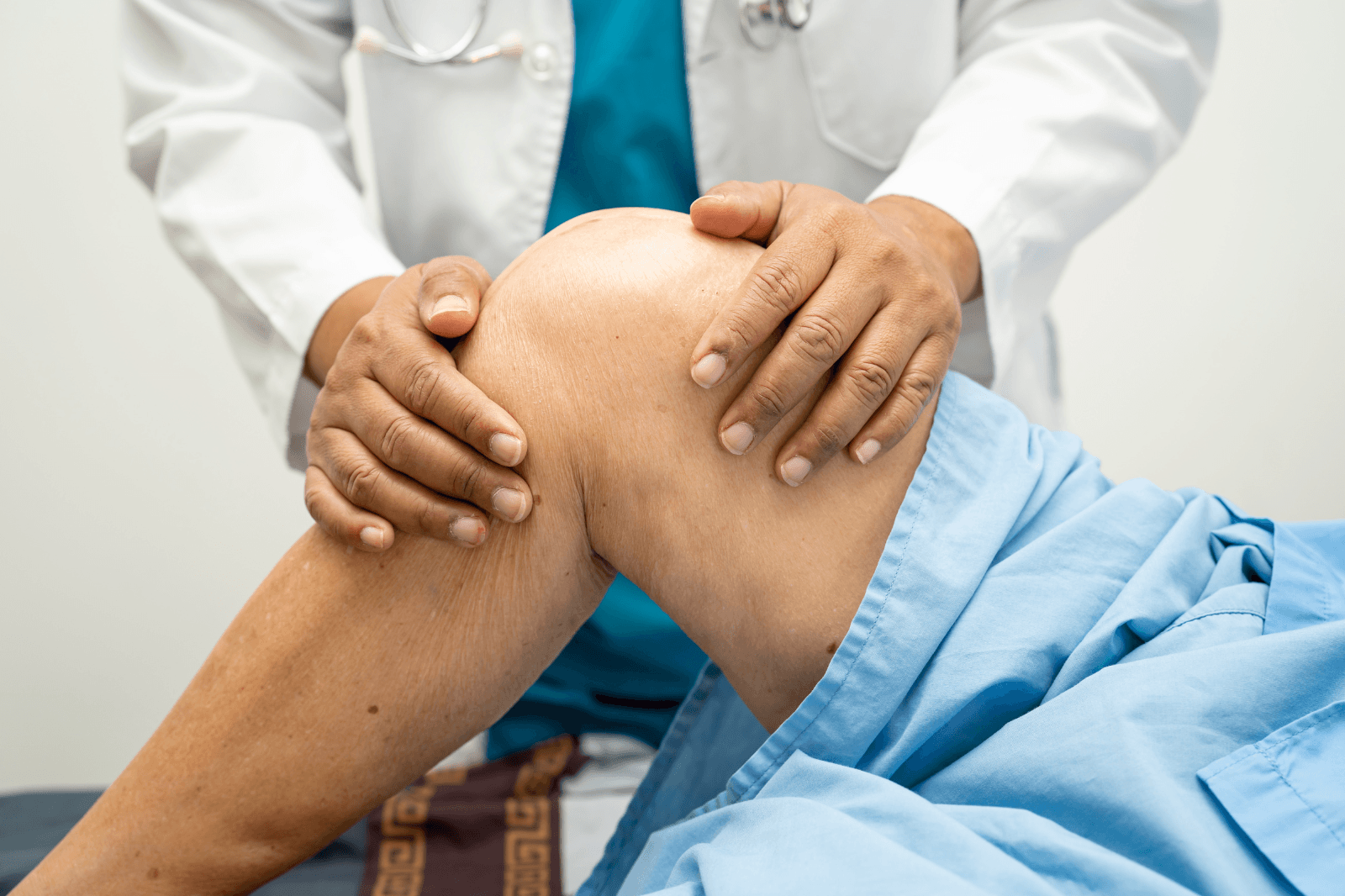
A physical examination may also assess movement, tenderness, swelling, muscle tension, and functional tasks.
The goal is to determine whether cupping is appropriate, not simply whether a cup will physically stick to the skin.
Cup placement depends on the pain pattern.
Possible treatment regions include:
Cups should not be placed indiscriminately over every painful structure.
Medical references caution against applying cupping directly over major nerves, arteries, veins, varicose veins, inflamed skin, open wounds, fractures, and suspected deep vein thrombosis.
Cups can be made from materials such as:
Modern systems may use a hand pump or controlled suction device.
Traditional fire cupping creates negative pressure by briefly heating the air inside a glass cup before application. Because heat is involved, improper technique increases the possibility of burns.
Mechanical suction allows pressure to be adjusted without using flame.
Different techniques create different sensations.
The cup remains in one location while maintaining suction.
Static treatment may be used on muscular regions where a cup can sit comfortably and safely.
A lubricant is applied to the skin, allowing the practitioner to glide a suctioned cup along the muscle.
This creates a combination of negative pressure and movement.
It is often used across larger muscular regions such as the quadriceps.
Some devices repeatedly vary the negative pressure rather than holding one constant level.
Research on knee osteoarthritis has investigated this form of treatment, but the existence of a studied protocol does not mean it is superior to every other technique.
The practitioner releases the seal rather than pulling forcefully against suction.
The skin may appear:
The area can also feel warm or mildly tender.
These responses should gradually settle rather than become progressively more painful.
Cup placement depends on which tissues appear to be contributing to symptoms.
For anterior knee discomfort, treatment may involve sections of the quadriceps above the kneecap.
For lateral symptoms, surrounding thigh musculature may be considered.
For symptoms associated with hamstring or calf tension, cups may be applied to appropriate muscular tissue above or below the knee.
This is why “Where do you put the cups?” does not have one universal answer.
The painful point is only one part of the assessment.
Strong suction directly within the central crease behind the knee deserves particular caution.
The popliteal region contains major arteries, veins, and nerves.
Clinical references advise against direct cupping over significant nerves, arteries, and veins.
If symptoms are coming from the hamstring or calf, a practitioner may instead work with suitable muscular areas around the region while avoiding important neurovascular structures.
Unexplained posterior swelling should be evaluated before cupping.
Most people describe dry cupping as:
The sensation can feel unusual, especially during the first treatment.
It should not become a test of pain tolerance.
More suction does not automatically produce a better result.
Sharp pain, burning, intense pinching, worsening numbness, or extreme discomfort should be reported immediately so the practitioner can reduce or stop the treatment.
A treatment that damages the skin is not more effective because it was “strong.”
There is no single ideal treatment duration for every knee.
Cup exposure is generally measured in minutes and should depend on:
Research protocols vary substantially, which is another reason a universal time recommendation cannot be drawn from clinical trials.
The goal should be an appropriate therapeutic stimulus, not leaving cups in place as long as possible.
There is no clinically established number of cupping sessions that works for every type of knee pain.
Research protocols vary widely. The number of recommended sessions can also affect the overall cupping therapy cost, especially when treatment is part of an ongoing care plan.
One exploratory knee osteoarthritis study used eight sessions across four weeks.
A more recent placebo-controlled study used 12 sessions over six weeks. Despite the larger number of sessions, dry cupping was not superior to sham treatment.
These protocols illustrate why a claim such as “everyone needs three to five sessions” is not evidence based.
Treatment should instead be reassessed according to meaningful outcomes.
Questions to ask include:
If repeated treatment produces no meaningful change, simply adding more sessions may not be the most useful strategy.
Cupping is most useful when symptom relief connects to a treatment plan that addresses strength, mobility, movement tolerance, and the underlying source of knee pain.
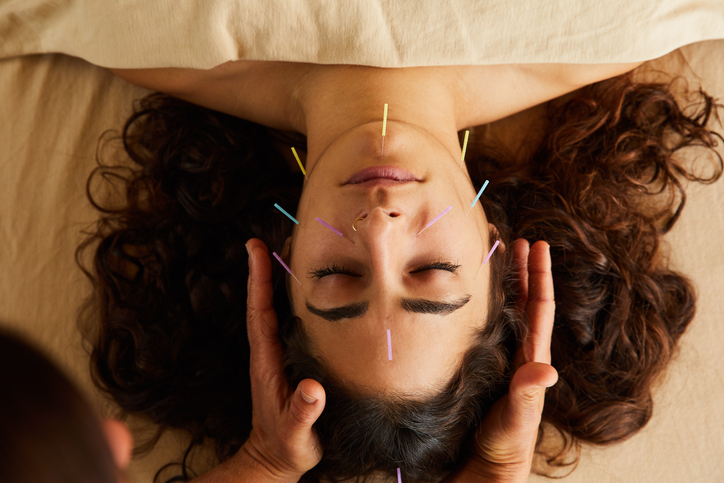
Cupping and acupuncture are different treatments.
Cupping creates negative pressure on the surface of the body.
Acupuncture uses fine needles inserted at selected points.
They may be used within the same integrative treatment plan when clinically appropriate, but one does not need to be performed for the other to work.
The choice should depend on the individual’s symptoms, treatment goals, health history, and response.
A knee that feels guarded or stiff may move more comfortably after treatment.
When that happens, gentle mobility work can take advantage of the temporary change.
Instead of viewing the end of cupping as the end of treatment, it can be useful to ask what movement the patient can now perform more comfortably.
Strength is essential for many chronic knee problems.
Quadriceps strength helps control the knee during walking, stairs, squatting, and rising from a chair.
Hip and calf strength also influence lower-extremity movement.
Cupping does not create these adaptations.
Progressive loading does.
If cupping reduces symptoms enough to make strengthening easier, it is supporting the rehabilitation process rather than replacing it.
Athletic recovery and injury treatment are not the same thing.
Using cupping on a tired quadriceps after repetitive training is different from treating a knee that twisted, rapidly swelled, and became unstable.
The first scenario may involve recovery from muscular loading.
The second may involve a ligament, meniscus, cartilage, or other structural injury requiring diagnosis.
Recognizing that difference prevents a recovery technique from delaying necessary care.
Most people can return to normal daily activity after dry cupping, although temporary marks, skin sensitivity, or mild soreness may occur.
Understanding post-cupping recovery can help patients recognize which temporary skin and muscle responses are expected after treatment and when additional care may be needed.
Recovery should be simple. Complicated detoxification routines are not necessary.
The red or purple circles associated with cupping result from the local effects of negative pressure on the skin and small blood vessels.
Medical descriptions commonly refer to erythema, meaning redness, and ecchymosis, meaning discoloration caused by bleeding beneath the skin.
These marks do not measure toxins.
Their darkness should not be used to diagnose how unhealthy a muscle or joint is.
Some people experience temporary tenderness after treatment.
It can resemble the sensitivity experienced after other forms of manual therapy.
Mild soreness should gradually improve.
Extreme pain, worsening tenderness, blistering, spreading redness, discharge, or fever is different and requires attention.
After dry cupping:
If the skin becomes increasingly red, painful, swollen, or produces discharge, contact an appropriate healthcare professional.
Normal hydration is reasonable after any treatment, especially if a person has also exercised.
Drinking excessive quantities of water is not required to “flush toxins released by cupping.”
Cupping marks are not trapped toxins coming through the skin.
Hydration should therefore follow normal individual needs unless a healthcare professional has provided other instructions.
Many people can perform normal light activity if they feel comfortable.
If the treated muscles are tender, strenuous exercise may be adjusted temporarily.
The answer also depends on why the knee hurts.
A recreational athlete receiving cupping for general quadriceps soreness has different exercise restrictions from someone recovering from a ligament injury or surgery.
The underlying condition should determine the activity plan.
Cupping can produce bruise-like discoloration and medically recognized ecchymosis because negative pressure affects superficial blood vessels.
Calling every mark a conventional traumatic bruise can oversimplify the process, but describing the circles as completely unrelated to bruising is also misleading.
The important facts are simpler:
The marks are produced by suction.
They are temporary in most cases.
Their color does not diagnose toxicity.
Darker marks do not prove that the treatment was more effective.
Repeatedly applying excessive suction to create darker circles is not a therapeutic goal.
Dry cupping is generally considered a relatively low-risk intervention when performed appropriately, but it is not risk free.
Possible adverse reactions include:
Medical reviews distinguish some preventable complications, such as burns, infection, abscesses, blistering, and scarring, from reactions that can occur because of an individual’s response.
Public health guidance also notes risks including persistent discoloration, burns, scars, infection, and worsening of some skin conditions.
Proper screening, hygiene, equipment management, and technique therefore matter.
Cupping is not appropriate over every painful knee.
Important contraindications and precautions include:
Clinical references advise avoiding cupping over areas affected by deep vein thrombosis, fractures, open wounds, major blood vessels, nerves, and active skin lesions. Anticoagulant treatment is also listed as a reason to avoid cupping.
Individual medical history can change these recommendations, so appropriate clinical screening is important.
Cupping may be reasonable when the treatment goal is realistic and the knee has been appropriately assessed.
It may be worth considering when:
Evaluation should come first when:
The central question is not simply whether cupping can reduce discomfort.
It is whether cupping is appropriate for the particular reason that the knee hurts.
Cupping therapy may help reduce knee discomfort, stiffness, and surrounding muscle tension, especially when it is used as part of a broader treatment approach. Rather than treating cupping as a way to repair damaged joint structures, we use it to support comfort, mobility, and more confident movement when appropriate.
At ACA Acupuncture and Wellness, we look at what may be contributing to knee pain, how long symptoms have been present, and how they are affecting everyday activities. This allows us to develop a more individualized care plan that may include cupping, acupuncture, and other supportive therapies based on each patient’s needs and recovery goals.
If knee pain, stiffness, or limited mobility is making walking, exercise, work, or daily activities more difficult, schedule an appointment with us today to learn whether cupping therapy may be a suitable part of your treatment plan.
Sources:
Jia, Y., Dong, X., Chai, Y., Bai, Z., Sun, T., & Hou, X. (2025). Effects of cupping therapy on chronic musculoskeletal pain and collateral problems: A systematic review and meta-analysis. BMJ Open, 15(5), e087340.
Cavalcanti, R. R., de Almeida Silva, H. J., Pontes-Silva, A., Avila, M. A., de Souza, C. G., Sousa, C. O., Silva, R. S., Barbosa, G. M., & de Souza, M. C. (2026). Dry cupping therapy has no effect on pain, function, or quality of life in women with knee osteoarthritis: Randomized placebo-controlled trial. Brazilian Journal of Physical Therapy, 30(1), 101259.
National Center for Complementary and Integrative Health. (2018). Cupping. U.S. Department of Health and Human Services, National Institutes of Health.
Cupping therapy does not heal a knee injury on a fixed timeline. Some people notice temporary changes in pain, stiffness, or muscle tightness soon after treatment, while others may need multiple sessions before deciding whether it is helpful. Mild soreness usually settles quickly, and the circular skin marks commonly fade within one to two weeks. The overall recovery time for knee pain depends on its underlying cause, such as osteoarthritis, muscle strain, tendon irritation, or another joint condition.
Cupping may be helpful for some people with chronic knee pain, stiffness, or surrounding muscle tension, but it is not appropriate for every knee condition. Research on knee osteoarthritis remains mixed, and a placebo-controlled study found that dry cupping was not superior to sham cupping for improving pain or physical function. We view cupping as a complementary treatment that may support symptom management rather than a cure for arthritis, cartilage damage, ligament injuries, or meniscus tears.
After cupping, avoid scratching, aggressively rubbing, or applying additional strong suction to skin that is red, tender, blistered, or irritated. If the treated muscles feel sore, it may also be sensible to reduce strenuous exercise until they feel comfortable again. We recommend paying attention to the skin rather than trying to intensify the treatment response. Increasing redness, severe pain, burns, fever, or discharge may indicate a complication that requires medical attention.
There is no established evidence that dry cupping pulls specific toxins out of the body. The red or purple marks that appear after treatment are caused by the effects of suction on the skin and small blood vessels, not by toxins rising to the surface. The liver, kidneys, lungs, and digestive system are responsible for processing and eliminating metabolic waste. For this reason, we do not use the darkness of cupping marks as a measure of how many “toxins” were removed or how effective a treatment was.
Cupping should not be considered a treatment for unexplained or sudden knee swelling. Although cupping may change local circulation and help some people feel less tight around the knee, significant swelling can result from arthritis, an injury, joint fluid accumulation, infection, a Baker’s cyst, or another condition that requires evaluation. Sudden swelling behind the knee or in the calf is particularly important to assess before cupping because blood-clot conditions such as deep vein thrombosis can make the treatment inappropriate.
There is no standard cupping schedule that works for every person with knee pain. Treatment frequency should depend on the cause of the symptoms, skin response, overall health, and whether cupping is producing meaningful improvements in pain or daily movement. We assess progress based on outcomes such as walking comfort, stair tolerance, range of motion, and the ability to exercise rather than prescribing a fixed number of sessions for everyone.
LOCATIONS
MANHATTAN
QUEENS
NEW JERSEY
CALIFORNIA

The over $4 billion US acupuncture market offers a great opportunity with over 10% annual growth rates and a continuing flow of new patients interested in the benefits of acupuncture.
