

Cupping may ease wrist and hand discomfort linked to carpal tunnel syndrome for some people, but it does not cure the condition or prove that pressure on the median nerve has been permanently removed.
Carpal tunnel syndrome can turn typing, gripping a steering wheel, opening a jar, or sleeping through the night into a source of tingling, numbness, and aching. When these symptoms keep coming back, some people consider cupping therapy in NYC as part of a broader approach to wrist and forearm discomfort.
Cupping is better viewed as supportive care. It may calm sore or tight tissue around the wrist and forearm while other parts of treatment address the positions, activities, or health factors that keep symptoms going.
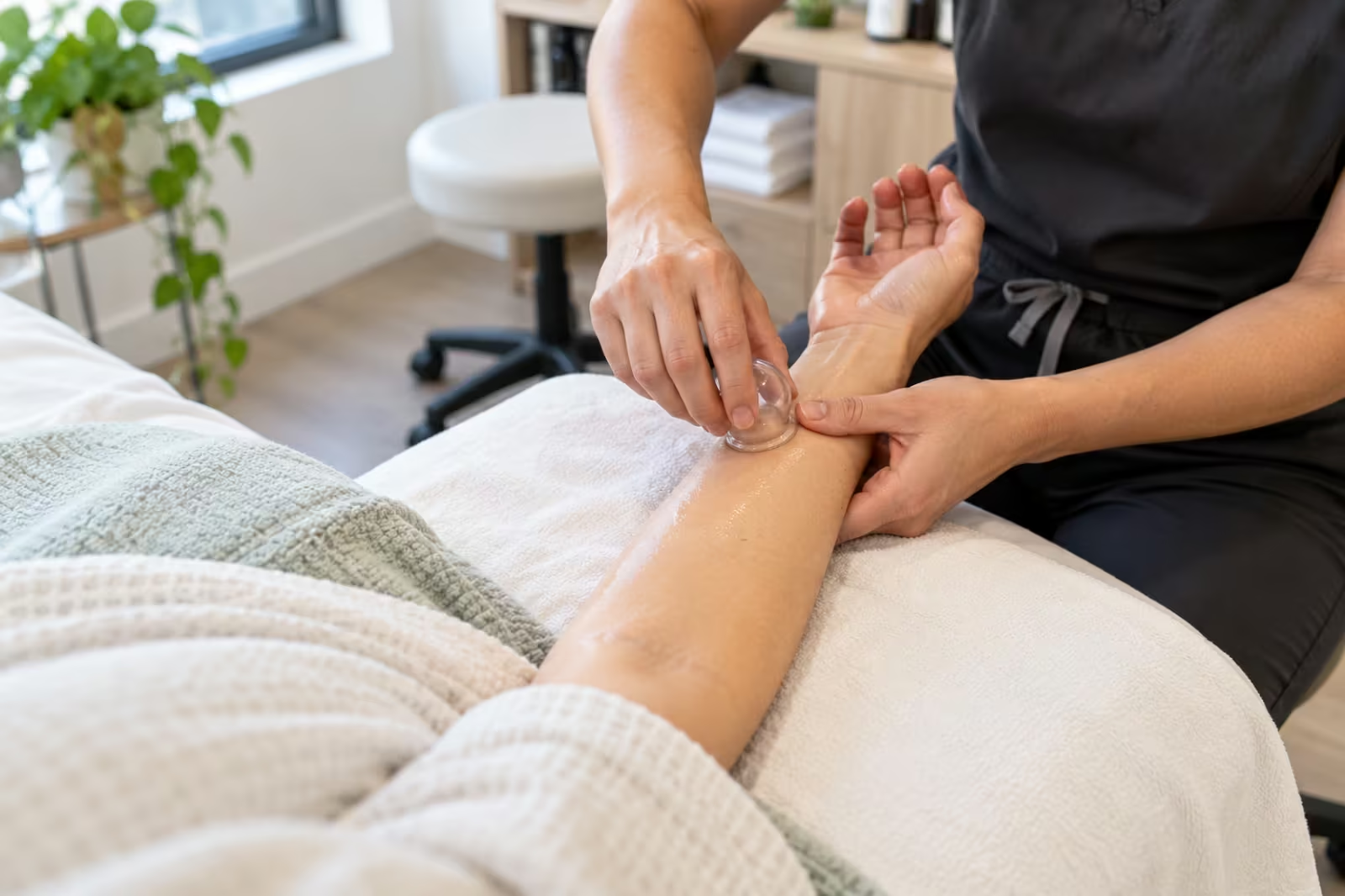
Cupping may ease wrist and hand discomfort linked to carpal tunnel syndrome for some people, but it does not cure the condition or prove that pressure on the median nerve has been permanently removed.
Carpal tunnel syndrome can turn typing, gripping a steering wheel, opening a jar, or sleeping through the night into a source of tingling, numbness, and aching. When these symptoms keep coming back, some people consider cupping therapy in NYC as part of a broader approach to wrist and forearm discomfort.
Cupping is better viewed as supportive care. It may calm sore or tight tissue around the wrist and forearm while other parts of treatment address the positions, activities, or health factors that keep symptoms going.
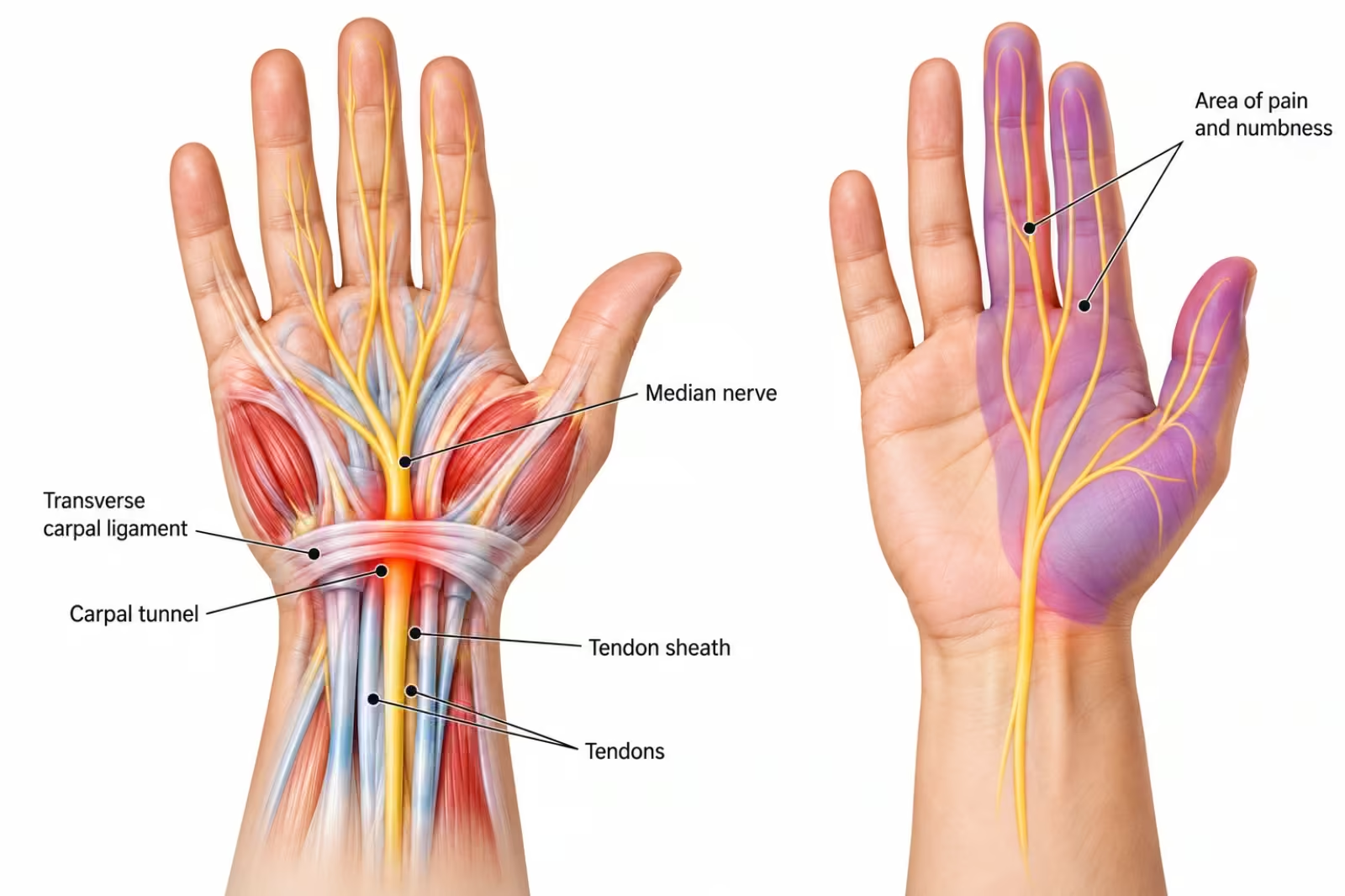
Carpal tunnel syndrome happens when the median nerve is compressed as it passes through a narrow space at the wrist.
The median nerve carries sensation to the thumb, index finger, middle finger, and part of the ring finger. It also helps control several muscles involved in thumb movement. When pressure builds around the nerve, you may notice tingling, burning, numbness, aching, clumsiness, or reduced grip.
Many people first notice symptoms at night. Sleeping with the wrist bent can raise pressure inside the carpal tunnel. Long periods of typing, gripping, driving, holding a phone, or using vibrating tools may also bring symptoms on.
Pregnancy, diabetes, thyroid conditions, inflammatory disease, wrist injury, and other health factors can raise the chance of developing symptoms. Treatment should start with the pattern of discomfort rather than assuming every sore wrist has the same cause.
Cupping may help reduce pain, tightness, or overall symptom severity in some people with carpal tunnel syndrome, although the evidence is still limited.
One randomized clinical trial compared routine physical therapy with the same therapy plus cupping. The group receiving cupping showed a greater improvement in symptom severity and distal sensory nerve timing. However, the researchers did not find the same advantage for functional status or motor nerve timing.
A review of the available research also found that cupping may have a supportive role, but the evidence was not strong enough to include it as an established treatment within standard carpal tunnel care.
For people who find that soreness or forearm tension makes typing, gripping, sleeping, or other daily activities uncomfortable, cupping may be useful as an adjunct to a broader treatment plan. How much it helps can vary depending on the severity and cause of the symptoms.
Cupping creates suction that lifts the skin and superficial soft tissue, which may influence local circulation, tissue tension, and the way the nervous system responds to pain.
Massage presses downward into tissue, while cupping works in the opposite direction by creating negative pressure at the surface. This pulling effect acts mainly on the skin, fascia, and nearby soft tissue.
Forearm muscles and connective tissue can feel tight or tender in people who use their hands heavily. Static or moving cups may make these areas feel looser for a period after treatment.
Cupping often leaves round red or purple marks because suction changes blood flow in superficial tissue. These marks are not evidence that toxins have left the body. They usually fade on their own.
Strong sensory input from the skin can temporarily influence how pain is perceived. This may help explain why some people notice less soreness shortly after treatment.
If the forearm feels less tender, wrist positioning, gentle movement, or clinician-recommended exercises may feel easier. This makes cupping more appropriate as a supportive therapy than as a stand-alone treatment for carpal tunnel syndrome.
Current evidence does not show that cupping physically enlarges the carpal tunnel or produces a lasting reduction in pressure on the median nerve.
The carpal tunnel is a confined space formed by the wrist bones and the transverse carpal ligament. Cupping primarily affects the skin and superficial soft tissues, so its pulling action should not be equated with procedures that directly alter the structures surrounding the nerve.
Some small studies have reported changes in certain nerve measurements after cupping, but these findings have been based on limited participant numbers and short follow-up periods. More research is needed to determine whether these changes are clinically meaningful or lasting.
Cupping therefore should not be described as a method of decompressing the median nerve. Persistent numbness, weakness, reduced grip, or loss of hand function should be medically assessed.
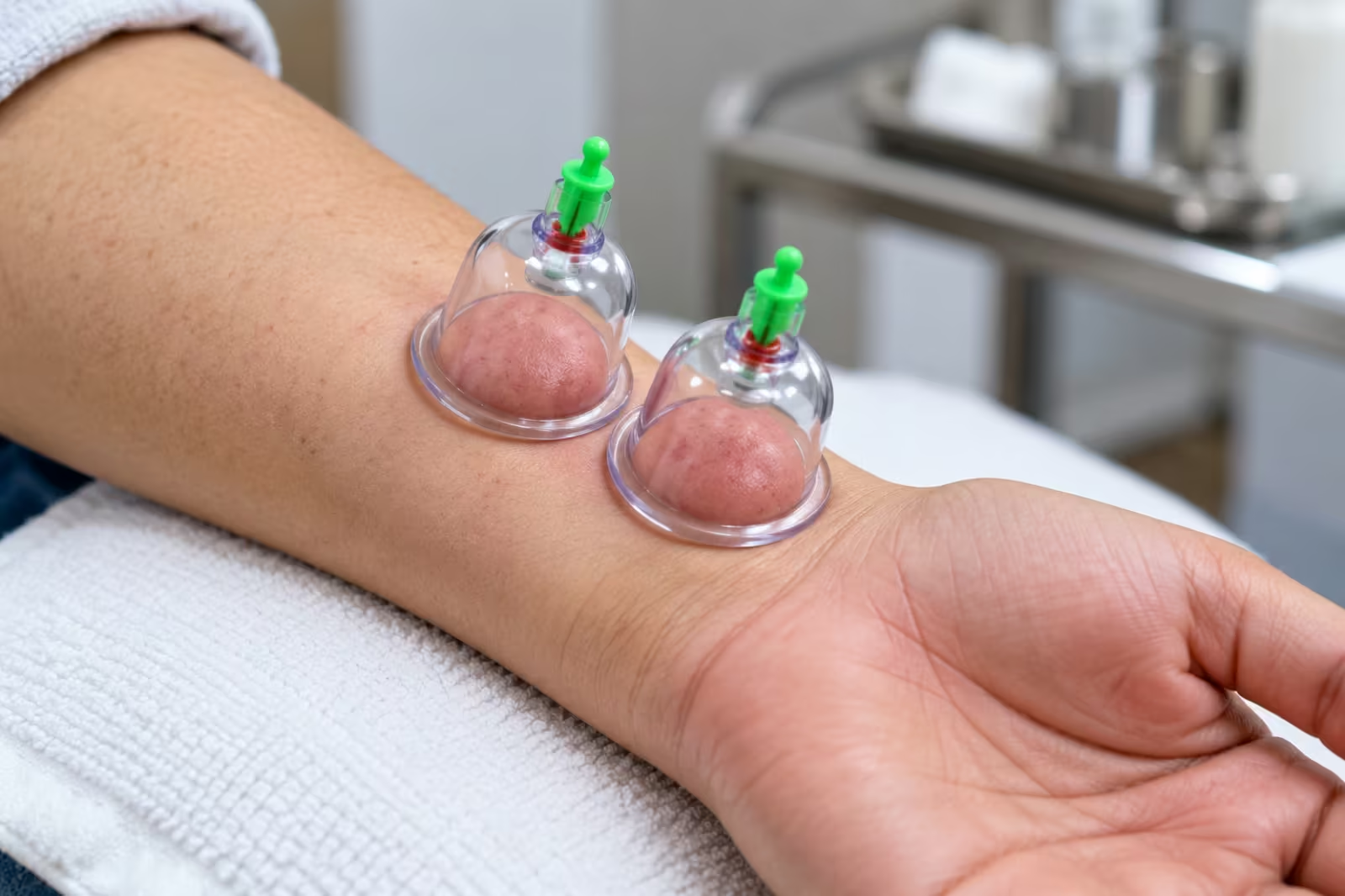
Dry cupping uses suction on intact skin, while wet cupping includes small skin punctures and carries added bleeding and infection concerns.
Dry cupping is less invasive because the skin remains closed. Cups may stay in one spot for a short time or move across lubricated skin.
Wet cupping adds superficial punctures before or during suction. Some carpal tunnel research has used this method, but it needs stricter infection control and careful screening for bleeding risk.
More suction is not better. The goal is a tolerable pulling sensation, not severe pain, blistering, or intense bruising. How often cupping can be done depends on how the skin recovers, how strong the previous treatment was, and how symptoms respond between sessions.
A cupping session should feel like pulling or pressure on the skin, not sharp pain or worsening numbness.
The practitioner may place cups on parts of the forearm, wrist, or nearby soft tissue based on where tension is present and how symptoms behave. Cups may stay still or glide over the skin.
Mild tenderness afterward can happen. Circular marks may last for several days, and darker marks do not mean the session worked better.
Burning, sharp pain, increasing tingling, or more numbness are not expected treatment sensations and should be reported right away.
Skin recovery can also affect comfort between visits. Good post-cupping aftercare includes giving tender areas time to settle and avoiding anything that irritates the treated skin.
Cupping works best as supportive symptom care while the cause and severity of the symptoms are assessed.
A neutral wrist splint at night is often used because bending the wrist during sleep can raise pressure in the tunnel. Activity changes may also help if symptoms flare after long periods of gripping, typing, tool use, or repeated wrist bending.
The aim is not to stop using the hand. It is to identify positions or loads that trigger symptoms and reduce unnecessary stress on the wrist.
Some people also receive hand therapy, manual therapy, stretching, or nerve-mobility exercises. These options are not interchangeable, and they should be chosen according to symptoms and exam findings.
Cupping can sit alongside those measures when it helps with soreness or soft-tissue tension. It should not become a reason to postpone assessment when numbness is becoming more frequent or strength is dropping.
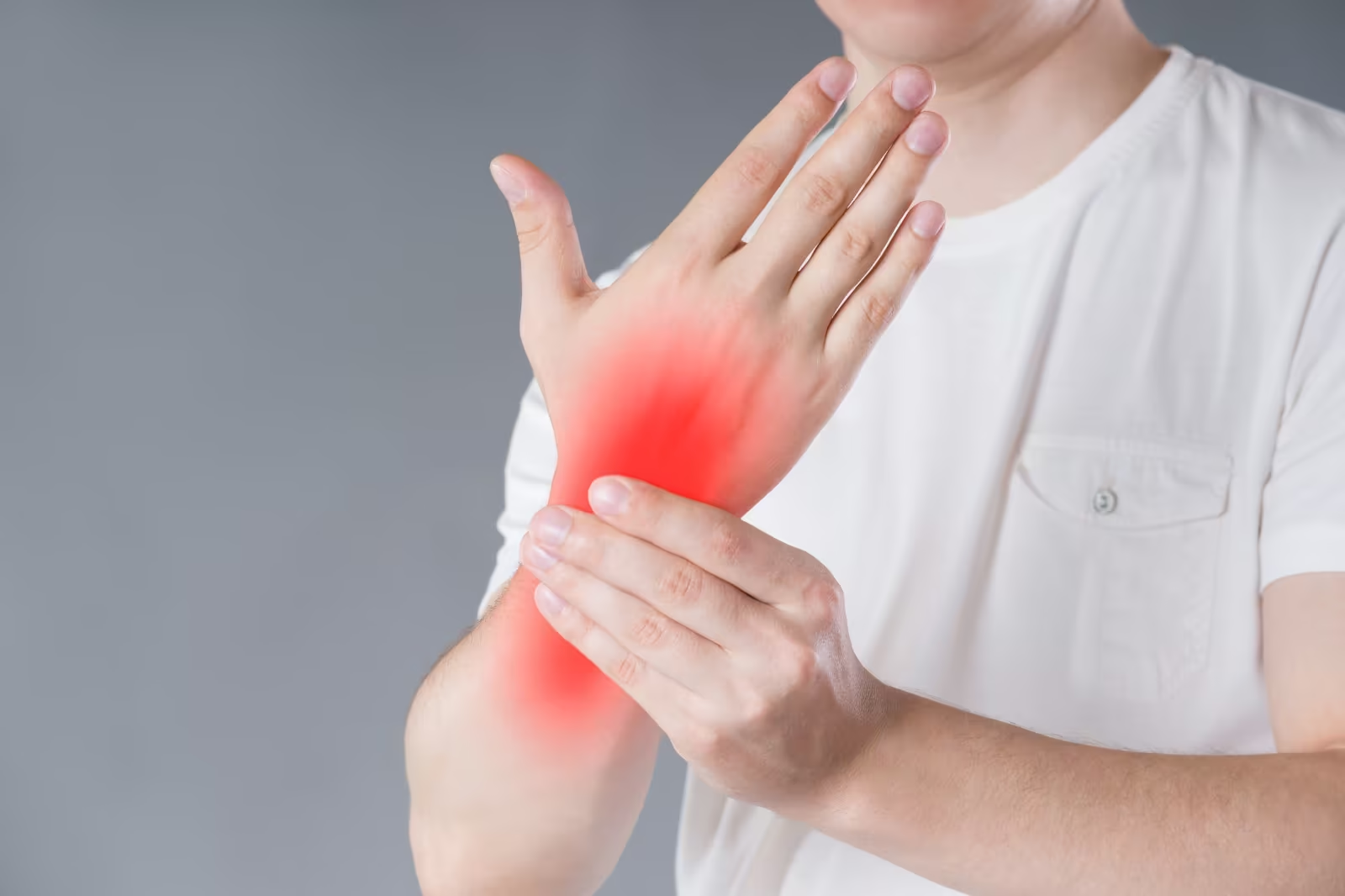
Constant numbness, progressive weakness, poor thumb control, or repeated dropping of objects can point to more advanced median nerve problems.
More advanced nerve compression may cause daytime numbness, loss of fine finger control, reduced pinch strength, or visible shrinking of the muscles at the base of the thumb.
A clinician may use a physical exam, nerve testing, or ultrasound to judge how the median nerve is functioning. Severe or persistent nerve compression may need referral for carpal tunnel release.
Cupping should not be used to cover up worsening nerve symptoms.
Cupping can cause temporary skin marks and tenderness, and poor technique can cause burns, blisters, skin injury, or infection.
Tell the practitioner about blood-thinning medication, bleeding disorders, easy bruising, fragile skin, or trouble healing wounds. Cupping should not be placed over an active skin infection, open wound, or recent injury unless a qualified clinician says it is safe.
Reduced sensation also calls for care. If the hand or wrist is numb, it may be harder to judge heat, pressure, or suction normally. Aggressive self-cupping is a poor choice in that situation.
Wet cupping carries added risk because the skin is broken. Clean technique and proper screening are necessary. People who are pregnant or managing other medical conditions should discuss cupping with a qualified health professional before treatment.
Cupping may be helpful when wrist and forearm discomfort is tied to muscle tension, tenderness, or repetitive hand use, but the response can vary from person to person. One useful way to judge whether treatment is helping is to notice changes between sessions, such as whether nighttime symptoms occur less often, numbness lasts for a shorter period, or daily tasks feel more comfortable.
Keeping track of when symptoms appear can also give your practitioner a clearer picture. Notice whether discomfort follows long periods of typing, gripping, driving, tool use, or sleeping with the wrist bent. These patterns can help shape a care plan around the way your symptoms actually behave.
At ACA Acupuncture & Wellness, cupping may be combined with other services when they fit your symptoms and treatment goals. Acupuncture may be used for pain and nerve-related discomfort, while Tuina massage can focus on tight muscles and soft tissue in the forearm, wrist, shoulder, and upper body. Moxibustion and thermal therapy may also be considered when warmth and relaxation are appropriate for muscle stiffness or tension.
If carpal tunnel symptoms are affecting your sleep, work, grip, or everyday hand use, schedule an appointment with ACA Acupuncture & Wellness. We can assess your symptoms, discuss whether cupping is suitable, and determine whether acupuncture, Tuina massage, moxibustion, thermal therapy, or another supportive approach makes sense for your care.
Sources
American Academy of Orthopaedic Surgeons. (2024). Management of carpal tunnel syndrome: Evidence-based clinical practice guideline.
Farhat, A., & Mughal, S. M. (2021). Is there a role of cupping therapy in the treatment of carpal tunnel syndrome in primary care setting? Cureus, 13(1), e12954.
Mohammadi, S., Roostayi, M. M., Naimi, S. S., & Akbarzadeh Baghban, A. (2019). The effects of cupping therapy as a new approach in the physiotherapeutic management of carpal tunnel syndrome. Physiotherapy Research International, 24(3), e1770.
It may be possible when symptoms affect both hands, but the decision depends on skin condition, symptom severity, and how each wrist responds. One side may need lighter suction if it is more sensitive.
They can be used during the same course of care when both suit the symptoms. Cupping works through suction at the skin and soft tissue, while acupuncture uses fine needles at selected points. The combination should be based on the person’s presentation rather than used automatically.
Direct placement is not always the best choice, especially if the area is highly sensitive or numb. Some practitioners work around the wrist and forearm instead. Strong suction over an irritated area may make symptoms more uncomfortable.
Cupping should not be placed over a fresh incision or healing surgical site. The surgeon should confirm when suction-based or manual treatments can safely return. Timing depends on wound healing, swelling, and the procedure performed.
The cost of cupping therapy in New York can vary based on session length, clinic location, and whether cupping is provided alone or together with another treatment.
There is no established number of sessions for carpal tunnel syndrome. The treatment plan should depend on symptom severity, skin recovery, and your response to care. Persistent or worsening numbness or weakness needs medical assessment rather than additional cupping sessions.
LOCATIONS
MANHATTAN
QUEENS
NEW JERSEY
CALIFORNIA

The over $4 billion US acupuncture market offers a great opportunity with over 10% annual growth rates and a continuing flow of new patients interested in the benefits of acupuncture.
