


Acupuncture helps process grief by restoring lung qi, releasing emotional stagnation, and regulating the nervous system to support both emotional and physical healing.
Grief is often described as an emotional experience, but it is just as much a physiological one. It changes breathing patterns, weakens energy, and creates a heaviness that can be felt in the chest and throughout the body. While modern perspectives often focus on psychological processing, Traditional Chinese Medicine offers a different lens. It views grief as something that lives within the body, particularly in the lungs.
In this framework, emotional healing is not separate from physical health. The ability to let go, breathe fully, and restore balance is deeply connected to how the lungs function. Acupuncture works within this system, helping the body move through grief rather than remain stuck in it.

Acupuncture helps process grief by restoring lung qi, releasing emotional stagnation, and regulating the nervous system to support both emotional and physical healing.
Grief is often described as an emotional experience, but it is just as much a physiological one. It changes breathing patterns, weakens energy, and creates a heaviness that can be felt in the chest and throughout the body. While modern perspectives often focus on psychological processing, Traditional Chinese Medicine offers a different lens. It views grief as something that lives within the body, particularly in the lungs.
In this framework, emotional healing is not separate from physical health. The ability to let go, breathe fully, and restore balance is deeply connected to how the lungs function. Acupuncture works within this system, helping the body move through grief rather than remain stuck in it.

In Traditional Chinese Medicine, grief is associated with the lungs, which regulate breath, energy circulation, and the ability to release emotional attachments.
Traditional Chinese Medicine organizes the body through interconnected systems known as the Five Elements. Each organ is linked to specific emotions, and the lungs are associated with grief, sadness, and the process of letting go.
This relationship is not symbolic. It reflects observable patterns where emotional states influence physical function and vice versa.
The lungs control qi, the body’s vital energy, and regulate breathing. They also manage Defensive Qi, which supports immunity and resilience.
When grief is present, breathing often becomes shallow or irregular. This disrupts qi flow, leading to both emotional and physical imbalance.
Unprocessed grief does not disappear. It becomes stagnant.
This stagnation can manifest as:
Over time, this can weaken lung qi and reduce the body’s ability to recover.
Grief impacts multiple systems in the body, including breathing, immunity, and nervous system regulation. This is one reason grief can feel exhausting even when there are no obvious physical injuries or illness.
Grief often presents physically before it is fully understood emotionally. The body may begin showing signs of distress even when a person is still trying to stay composed or function normally.
Common patterns include:
These symptoms reflect deeper imbalances in energy flow. In TCM, they suggest that grief is affecting the body’s internal systems rather than remaining purely emotional.
Grief activates the stress response, increasing cortisol and keeping the body in a heightened state. This can make it harder to rest, think clearly, or feel emotionally steady throughout the day.
This creates:
Without intervention, the body can remain in this state longer than necessary. Over time, this prolonged stress response can make grief feel heavier and more difficult to process.
Acupuncture supports grief recovery by releasing stagnation, calming the nervous system, and restoring balanced energy flow. Rather than forcing emotional change, it helps the body return to a state where healing becomes more possible.
Acupuncture stimulates specific points along the lung meridian to move blocked energy. This is especially important when grief feels trapped in the chest or difficult to release.
This often leads to:
Treatment helps shift the body out of stress mode and into a restorative state. As this happens, many people feel less reactive and more grounded in their daily lives.
This improves:
Breath is central to emotional processing. When breathing improves, the body can naturally release stored tension. This connection between breath and emotion is one reason lung-focused treatment can feel so relieving during grief.
Grief does not affect only one system. Acupuncture addresses the entire network of organs and energy pathways involved. This broader approach helps explain why treatment can support both physical symptoms and emotional recovery at the same time.
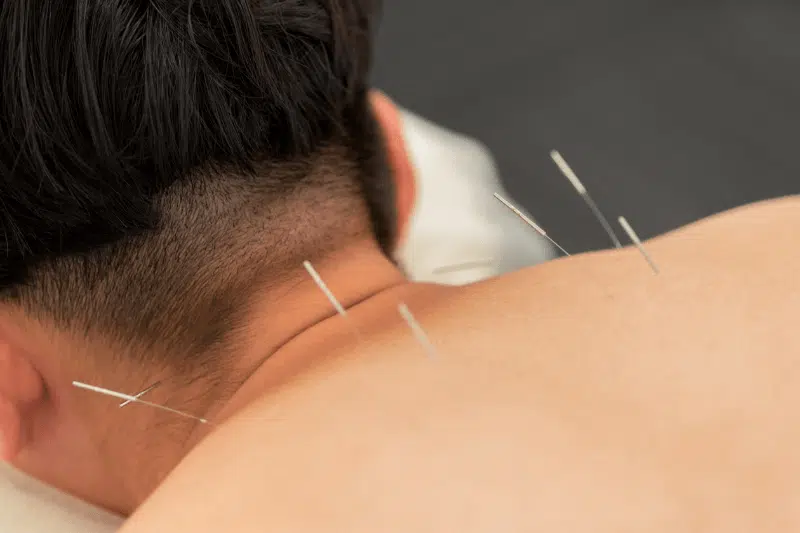
Specific acupuncture points help regulate lung qi, open the chest, and calm the mind during grief. Point selection is based on the pattern of imbalance, not just the emotion itself.
These points are often used when grief is affecting breathing, chest comfort, or the ability to let go emotionally.
These supporting points help address the wider emotional and nervous system effects that often accompany grief.
Grief is not experienced the same way by everyone. Treatments are tailored based on symptoms, constitution, and emotional state. Someone with fatigue and withdrawal may need a different approach than someone experiencing anxiety, insomnia, or chest tension.
Acupuncture sessions for grief often create both physical relaxation and emotional release. Each session is designed to meet the body where it is rather than push for a specific emotional response.
During treatment, you may notice:
Over time, sessions build on each other, gradually restoring balance. Some people notice subtle changes first, while others feel a more immediate sense of relief.
TCM often uses more than one therapy to support emotional healing and strengthen the body’s recovery process. These therapies are selected based on the individual pattern of grief and how it is showing up physically.
Herbs such as:
These herbs are often considered when grief is accompanied by dryness, fatigue, restlessness, or depletion.
These therapies:
They can be especially helpful when grief is accompanied by muscular tightness, coldness, or physical stagnation.
Gentle movement and breathing exercises help release stagnation and rebuild energy. They also give people a practical way to support healing between acupuncture sessions.

Daily habits can either support or hinder the body’s ability to process grief. Consistent, gentle practices help regulate the lungs, calm the nervous system, and create space for emotional release.
Intentional breathing restores lung function and promotes emotional release. Slow, deep breathing helps expand the chest, improve oxygen flow, and signal the body to shift out of stress mode.
Practices such as diaphragmatic breathing or paced breathing can:
Even a few minutes of conscious breathing daily can create noticeable changes.
Warm, nourishing foods such as soups and broths help rebuild energy and support lung function. In TCM, the lungs are sensitive to dryness, so hydration and moisture-rich foods are important.
Supportive choices include:
Avoiding excessive cold or processed foods can also help maintain balance.
Movement helps prevent qi from becoming stagnant. When grief is held in the body, physical stillness can reinforce emotional stagnation.
Low-impact activities such as:
help open the chest, improve circulation, and support emotional flow without overwhelming the body.
Grief often disrupts sleep, but rest is essential for emotional processing. Supporting consistent sleep patterns helps regulate both the lungs and the heart.
Simple adjustments include:
Quality sleep allows the body to reset and process emotional stress more effectively.
Constant stimulation, whether from news, social media, or busy schedules, can prevent the body from fully processing grief. Creating moments of stillness allows emotions to surface and move naturally.
This may include:
Simple practices like journaling, quiet reflection, or time in nature can support emotional movement. These rituals create a consistent outlet for processing thoughts and feelings.
Over time, these small actions reinforce the body’s natural ability to release and rebalance.
While grief can lead to withdrawal, supportive connection plays an important role in healing. Gentle interaction with trusted individuals helps regulate emotions and reduce isolation.
This does not require constant conversation. Even quiet presence or shared activities can provide grounding and support.
Many people begin to feel shifts in breathing, emotional intensity, and overall calm within a few sessions, but deeper grief patterns require consistent, ongoing support.
The timeline varies depending on the depth, duration, and nature of the grief. Acute grief, such as a recent loss, often responds more quickly because the body is actively processing the emotion. In these cases, acupuncture can help regulate the nervous system and ease physical symptoms like chest tightness, disrupted sleep, and emotional overwhelm within the first few treatments.
For long-standing or unresolved grief, the process is more gradual. When grief has been held in the body for months or years, it often involves deeper patterns of qi stagnation, lung deficiency, and nervous system imbalance. These cases benefit from a structured treatment plan over several weeks or months.
Progress is not always linear. Some sessions may bring immediate relief, while others may surface emotions that were previously suppressed. This is part of the healing process, as the body begins to release and reorganize stored tension.
Consistency plays a key role. Weekly sessions are often recommended at the beginning to build momentum, followed by less frequent treatments as balance is restored. Supporting therapies such as herbal medicine, breathwork, and lifestyle adjustments can also accelerate progress.
Ultimately, acupuncture does not force emotional change. It creates the conditions for the body to process grief at a pace that is sustainable and natural.

Grief rarely exists in isolation. It often overlaps with other emotional states such as anxiety, depression, stress, and trauma, all of which reflect deeper imbalances in qi, organ systems, and the nervous system.
In Traditional Chinese Medicine, emotions are interconnected. When grief disrupts the lungs, it can affect other organs such as the heart, liver, and spleen, creating a wider emotional pattern rather than a single isolated feeling.
When lung qi becomes depleted over time, energy drops and emotional expression becomes muted. This can present as low mood, fatigue, lack of motivation, and a sense of disconnection.
In TCM, this pattern often reflects a combination of:
Grief can also create agitation rather than stillness. When qi is not flowing properly, it may rise or become unsettled, leading to anxiety, racing thoughts, or a constant sense of unease.
This is commonly linked to:
Stress often develops when grief is not fully processed. The body remains in a protective state, holding tension in the chest, shoulders, and diaphragm.
This ongoing stress response can:
Over time, this reinforces the cycle of stagnation.
In cases of trauma or sudden loss, grief can become deeply embedded in the body. This may present as heightened sensitivity, emotional triggers, or difficulty feeling safe and grounded.
From a TCM perspective, this involves:
Acupuncture helps regulate these patterns by calming the system while gently restoring flow.
Grief can also show up in less obvious ways, including:
These are not separate issues. They are different expressions of the same underlying imbalance.
When the body releases tension, restores breathing, and regulates the nervous system, emotional healing becomes more accessible and sustainable.
Grief is not only mental. It often lives in the body as chest tightness, shallow breathing, fatigue, and ongoing tension. When these physical patterns remain, emotional healing can feel delayed or incomplete.
By treating the body directly, acupuncture helps release stagnation, calm the stress response, and support a more natural healing process. This shifts recovery from being purely cognitive to more fully embodied, allowing emotions to move with greater ease.
Grief is not something to eliminate. It is something to move through. When it becomes stuck, it affects both the body and the mind, creating patterns that can linger far longer than necessary.
By supporting the lungs, regulating breath, and restoring balance, acupuncture creates the conditions for release. At ACA Acupuncture and Wellness, our treatments integrate acupuncture, cupping, moxibustion, herbal medicine, and bodywork to support both emotional and physical recovery.
Healing does not require forcing change. It requires creating space for the body to return to balance.
Sources:
Aung, S. K. H., Fay, H., & Hobbs, R. F., III. (2013). Traditional Chinese medicine as a basis for treating psychiatric disorders: A review of theory with illustrative cases. Medical Acupuncture, 25(6), 398–406.
Sometimes, yes. As the body begins to release held tension and emotional stagnation, some people notice feelings rising to the surface before they settle. This does not mean treatment is making grief worse. It often reflects the body beginning to process emotions that were previously held in.
Acupuncture is generally a gentle and supportive therapy when treatment is tailored to the individual. During periods of intense grief, the goal is usually not to overstimulate the body, but to calm the nervous system, regulate breathing, and create a greater sense of stability.
Yes, it may help when grief is affecting energy, focus, and mental clarity. In TCM, prolonged grief can weaken qi, especially lung and spleen qi, which may contribute to exhaustion, heaviness, and difficulty concentrating. Treatment aims to restore energy flow and support recovery.
It can be supportive at either stage. Some people begin acupuncture soon after a loss to help with shock, sleep disruption, and chest tightness. Others seek it later when grief feels stuck or prolonged. The right timing depends on how the loss is affecting the body and emotions.
Yes, grief can affect more than the lungs. It may also disrupt the spleen and stomach in TCM, which can lead to poor appetite, digestive discomfort, or a sense of heaviness after eating. Acupuncture can be used to support both emotional regulation and digestive balance.
It is usually best to keep the rest of the day gentle and supportive. Hydration, rest, light meals, quiet reflection, and avoiding emotional overload can help the body integrate treatment. Some people also benefit from journaling, slow walking, or simply allowing extra space to breathe and recover.
LOCATIONS
MANHATTAN
QUEENS
NEW JERSEY
CALIFORNIA

The over $4 billion US acupuncture market offers a great opportunity with over 10% annual growth rates and a continuing flow of new patients interested in the benefits of acupuncture.