
Acupuncture may help some people manage discomfort associated with edema, but it has not been proven to remove excess fluid or treat the underlying causes of swollen feet. Different causes require different treatments, even when the symptoms look similar.
At ACA Acupuncture & Wellness, acupuncture treatment begins with a thorough, personalized assessment of your symptoms, medical history, and wellness goals. Our experienced practitioners take the time to understand your concerns and determine whether acupuncture may be a suitable approach to support your comfort and overall well-being alongside appropriate medical care.
Acupuncture may help some people manage discomfort associated with edema, but it has not been proven to remove excess fluid or treat the underlying causes of swollen feet. Different causes require different treatments, even when the symptoms look similar.
At ACA Acupuncture & Wellness, acupuncture treatment begins with a thorough, personalized assessment of your symptoms, medical history, and wellness goals. Our experienced practitioners take the time to understand your concerns and determine whether acupuncture may be a suitable approach to support your comfort and overall well-being alongside appropriate medical care.
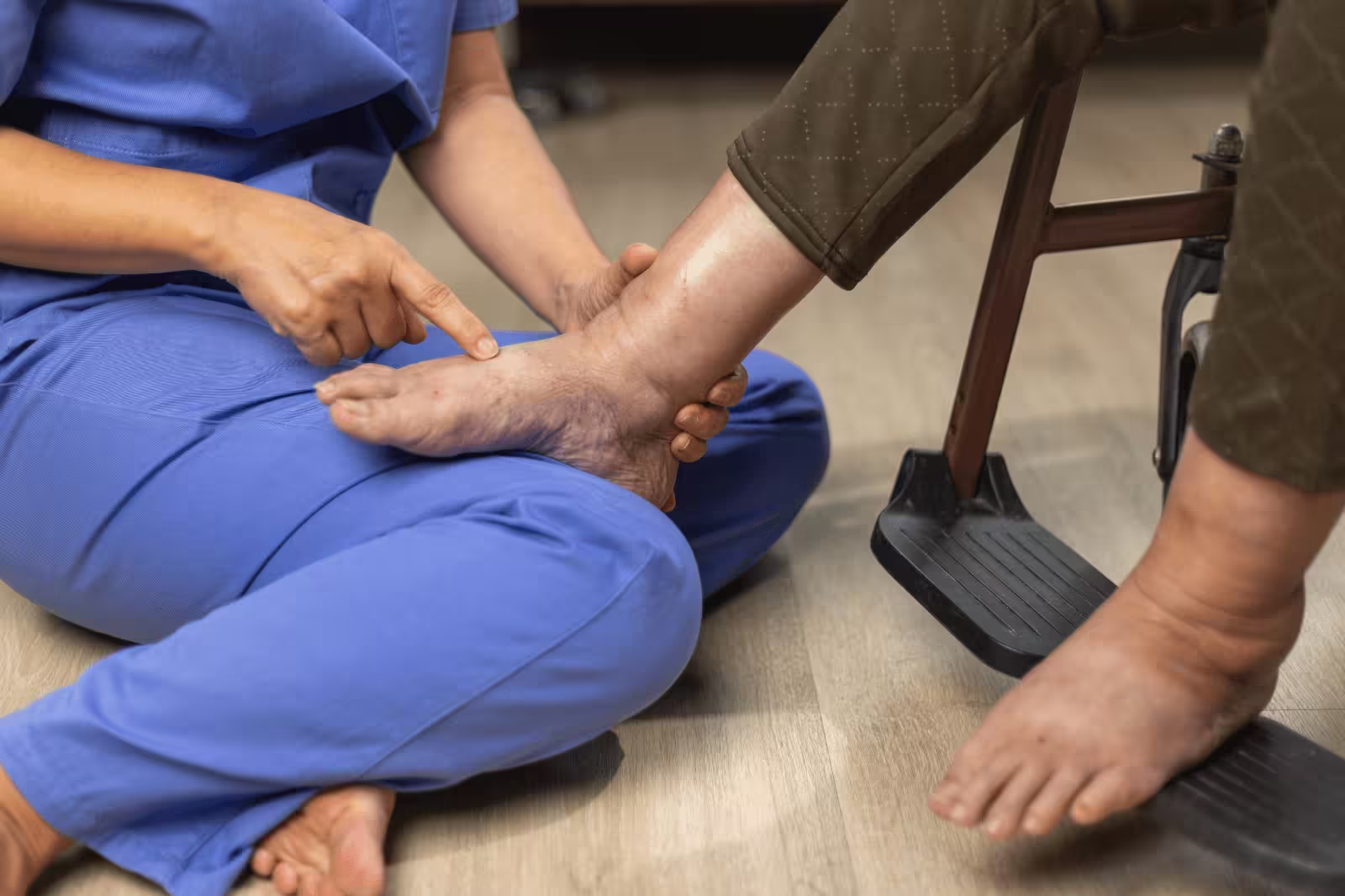
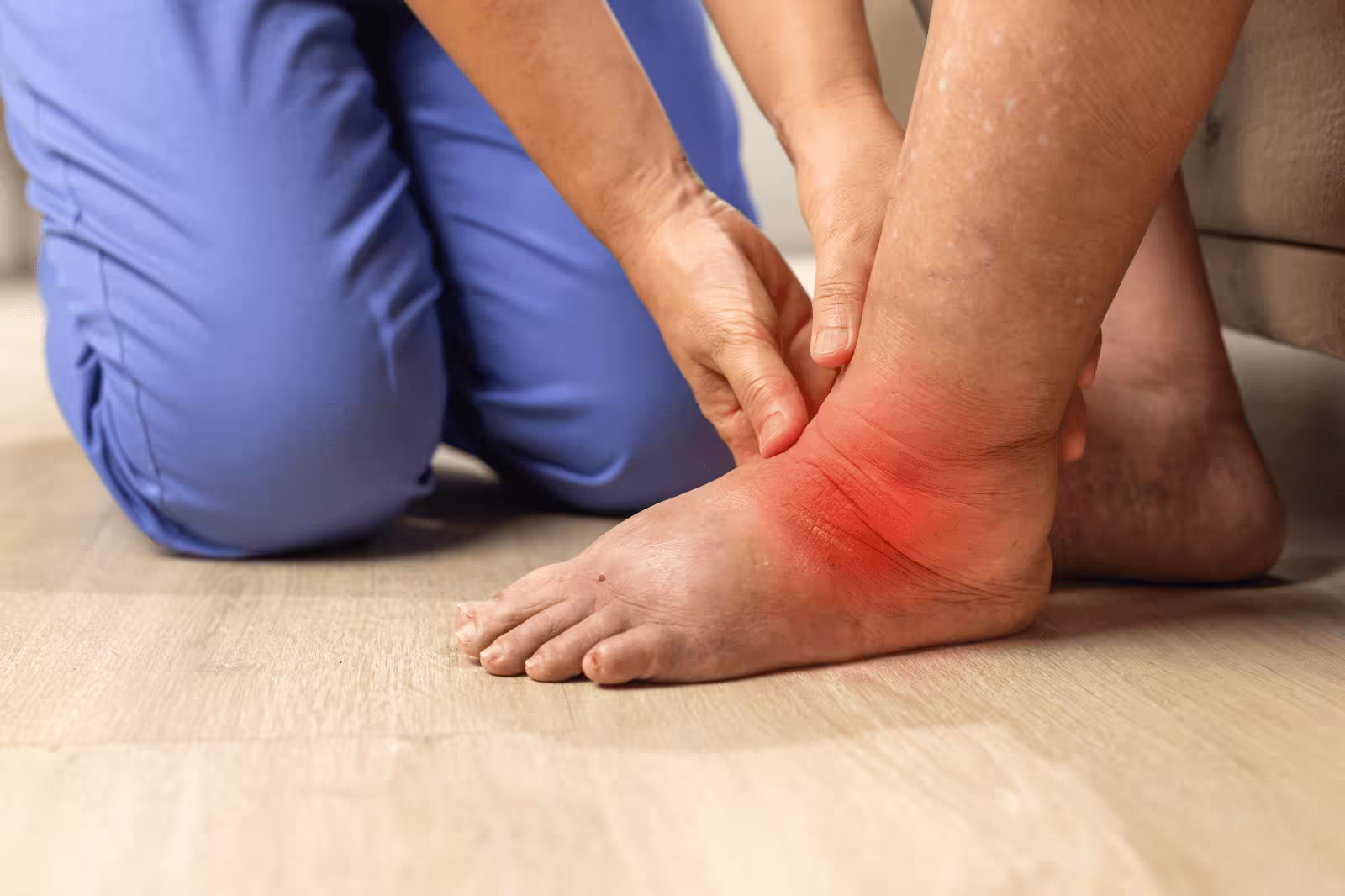
Edema develops when fluid collects in the spaces between cells faster than the body can clear it. Feet and ankles are common sites because gravity increases pressure in the lower-leg veins during standing or sitting. Puffiness may be more noticeable at day’s end or after travel.
Symptoms range from mild fullness to visibly stretched skin, heaviness, tenderness, or reduced ankle flexibility. With pitting edema, pressing the skin briefly leaves an indentation. These signs do not identify the underlying cause.
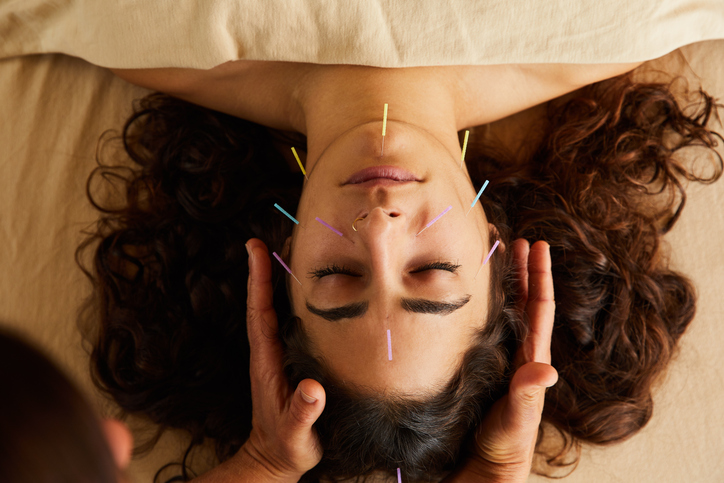
Acupuncture involves inserting fine needles into specific points on the body to stimulate nerves and surrounding tissues. It may help relieve feelings of heaviness, tightness, and discomfort associated with swollen feet and ankles.
Acupuncture may influence local blood flow, nervous system activity, and pain perception. These effects may help ease physical discomfort and promote relaxation, particularly when swelling causes stiffness or limits comfortable movement.
Some traditional acupuncture approaches also aim to support fluid balance and circulation. Research on breast cancer-related arm lymphedema has shown mixed results (Bao et al.; Xu et al.), and these findings cannot be directly applied to lower-leg edema.
Traditional Chinese medicine uses patterns of symptoms and bodily function to describe how fluid may accumulate. These patterns form a separate framework from medical diagnoses such as heart failure or lymphedema.
In this framework, dampness refers to an accumulation of unwanted moisture or heaviness. Spleen qi deficiency is traditionally associated with difficulty transforming and transporting fluids, sometimes appearing alongside low energy or digestive symptoms. Qi refers to the traditional concept of vital activity rather than a measurable anatomical substance.
Kidney yang deficiency is another traditional pattern, often described in connection with coldness and reduced warmth or activity. Practitioners may also consider the lungs’ traditional role in distributing fluids. Two people with swollen ankles might therefore receive different point selections.
A traditional pattern is not proof that the physical spleen or kidneys are malfunctioning. Readers interested in this distinction can explore the traditional understanding of qi deficiency and the role of acupuncture meridian pathways in point selection.
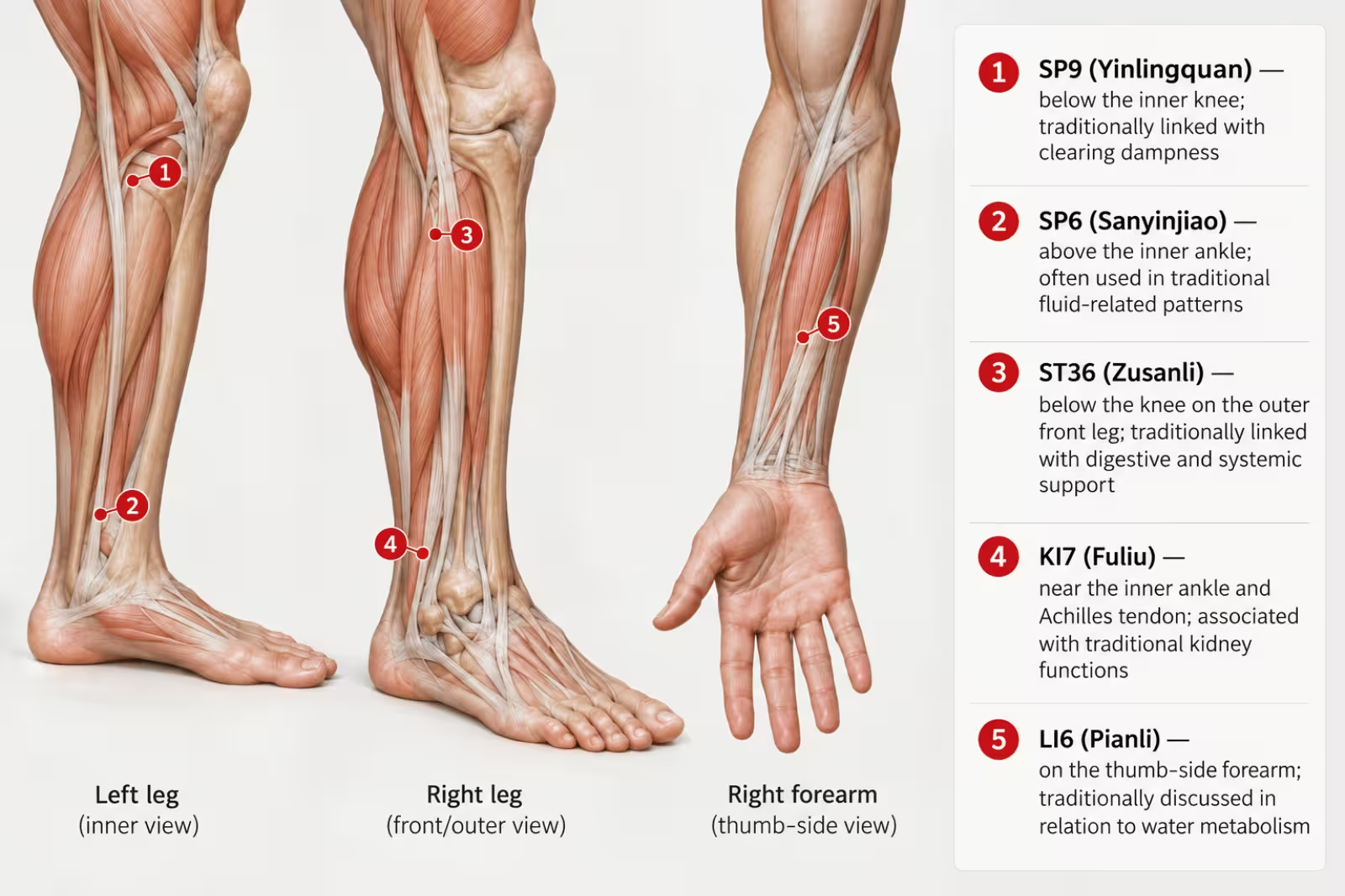
Practitioners choose acupuncture points according to the individual’s presentation rather than a universal formula for swollen feet. Points commonly discussed in traditional approaches include:
These descriptions concern customary point use. Needling techniques and depth depend on anatomy and medical history. SP6 is generally avoided for self-acupressure during pregnancy, and suspiciously swollen, inflamed, infected, or damaged tissue should not be needled.
Acupuncture treatment typically begins with an individual consultation. The practitioner will review your symptoms, medical history, existing diagnoses, and medications, including when the swelling started and how it affects everyday activities.
After appropriate medical evaluation, a personalized treatment plan may be recommended based on your condition and individual needs. The focus is on providing supportive care for discomfort, muscle tension, and mobility concerns while complementing existing medical treatment.
During treatment, fine, sterile, single-use needles are placed at selected acupuncture points. These points may be located away from the swollen area, depending on your condition and treatment plan.
You may notice a brief sensation of pressure or mild tingling as the needles are inserted. Most patients can rest comfortably while the needles remain in place.
After the session, your practitioner may discuss how you feel and whether you have noticed changes in discomfort, stiffness, or ease of movement. Your response can help guide future sessions, with treatment frequency adjusted according to your individual needs.
The pattern and timing of swelling help clinicians identify possible causes. Temporary swelling after prolonged sitting or standing differs from swelling caused by an underlying medical condition.
Long periods of inactivity, warm weather, and high sodium intake may contribute to ankle swelling. Certain medications, including some blood pressure treatments and anti-inflammatory drugs, can also cause fluid retention. Prescribed medications should not be discontinued without medical guidance.
Chronic venous insufficiency, lymphedema, and conditions affecting the heart, kidneys, or liver may cause persistent swelling. Medical evaluation helps determine the cause and appropriate treatment (Patel et al.).
Sudden swelling in one leg, particularly with pain or redness, requires urgent assessment. Rapid or unusual swelling during pregnancy also deserves medical attention.
Regular movement, leg elevation, and properly selected compression may help manage certain types of lower-leg swelling. The right approach depends on the underlying cause.
Walking, gentle ankle movements, and taking breaks from prolonged sitting can support circulation. Elevating the legs while resting may also help reduce gravity-related puffiness. Follow medical guidance if recovering from surgery or being evaluated for a possible blood clot.
Properly fitted compression stockings may help with venous or lymphatic swelling, but they are not suitable for everyone. Managing sodium intake may also help some patients. Compression, prescribed fluid restrictions, and diuretics should be discussed with a healthcare provider.
Acupressure applies finger pressure rather than needles to traditional points. Gentle use may be considered for comfort and relaxation rather than as a treatment for fluid drainage.
Moxibustion applies heat near selected points and is sometimes paired with acupuncture. Because heat can burn fragile, numb, or poorly perfused skin, it requires careful screening. Traditional Chinese herbal medicine is another practice-specific option, but formulas may interact with prescriptions or change fluid and electrolyte balance. For people exploring dietary ideas within this framework, traditional Chinese medicine foods for the spleen provide cultural context rather than a substitute for clinical nutrition advice.
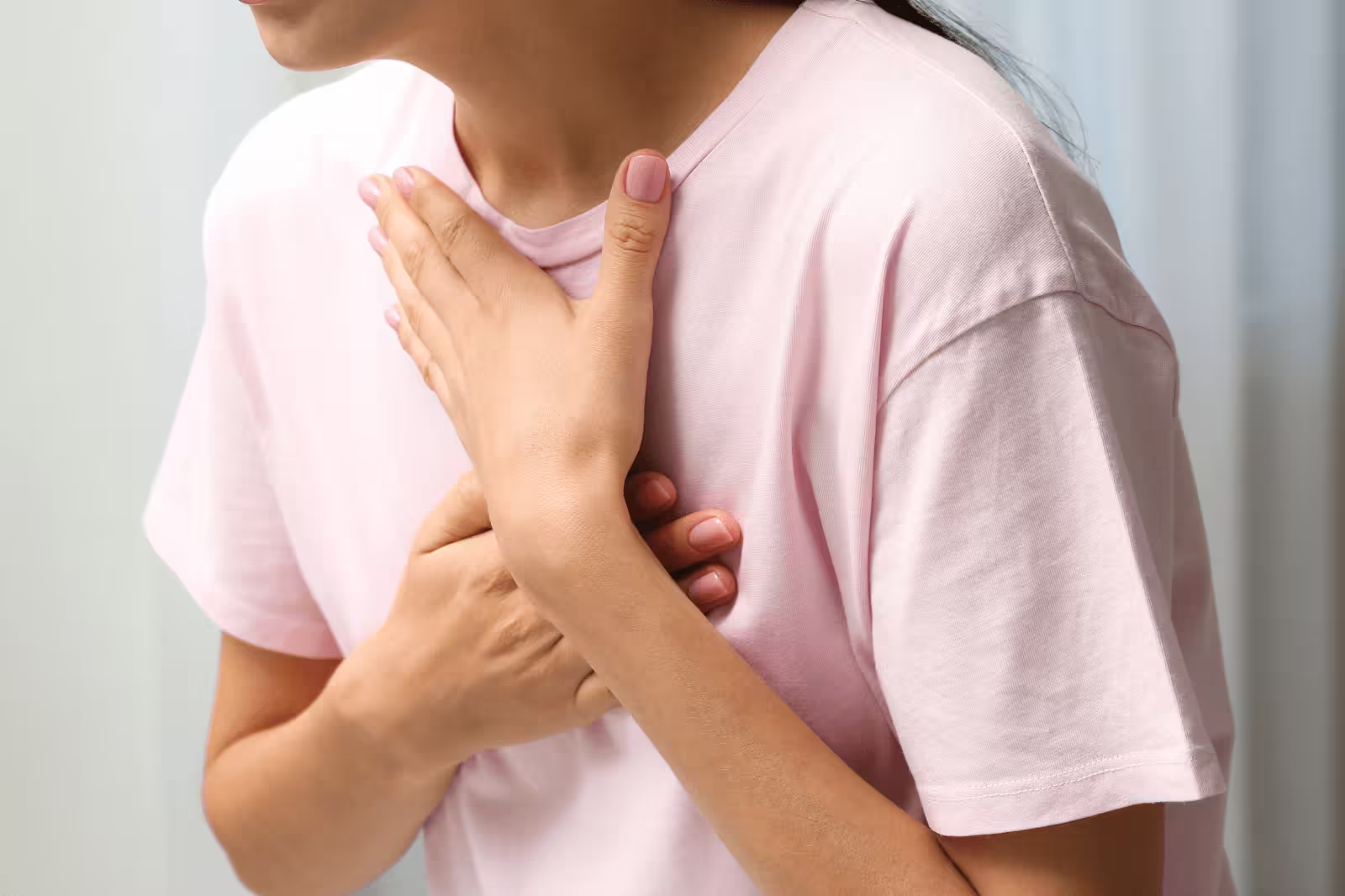
Although acupuncture is generally safe when performed by a qualified practitioner, unexplained or persistent swelling should be medically evaluated before treatment. Edema can sometimes indicate an underlying condition involving the heart, kidneys, liver, or circulatory system. Recognizing warning signs helps prevent delays in receiving necessary care.
Seek immediate medical attention if swelling is accompanied by:
Acupuncture should be performed by a licensed, properly trained practitioner using sterile, single-use needles. Mild bruising, temporary soreness, or minor bleeding may occur, while infections and more serious complications are uncommon but possible.
Before treatment, inform your practitioner about medications, particularly blood thinners, as well as pregnancy, circulation problems, immune system conditions, or a history of lymphedema. Areas with skin infections, open wounds, or compromised tissue require special precautions and should not be needled directly.
Swollen feet and ankles can make walking, standing, and everyday activities uncomfortable. Finding the right supportive care can help you manage these challenges and maintain a more comfortable daily routine.
At ACA Acupuncture & Wellness, we offer personalized acupuncture treatments, Tuina Chinese massage, and reflexology to support physical comfort, ease muscle tension, and promote relaxation. Our experienced practitioners take the time to understand your symptoms, health history, and individual needs to develop a personalized care plan that complements your existing medical treatment.
Ready to explore a personalized approach to better comfort and mobility? Schedule a consultation with us today to discuss suitable supportive treatments and take the next step toward feeling more comfortable in your daily activities.
Acupuncture may help manage associated discomfort, but it is not an established treatment for removing retained fluid. Medical treatment depends on the cause of the swelling.
Improved lymphatic flow has been proposed as a possible mechanism, but it is not an established treatment effect for lower-leg edema. Research involving cancer-related arm lymphedema cannot be directly applied to other forms of swelling.
There is no established number of sessions for reducing edema. A practitioner should review the medical diagnosis, treatment goals, and any meaningful changes before recommending further care.
SP9, SP6, and LI6 are traditionally discussed for fluid-related patterns. Their use is not a substitute for medical evaluation, and SP6 should not be self-stimulated during pregnancy.
Some swelling resolves when a temporary trigger ends. Chronic venous or lymphatic conditions often require ongoing management, while swelling related to a treatable illness may improve when that condition is addressed.
It may be appropriate after the cause has been assessed and a qualified practitioner reviews relevant risks. Unexplained, sudden, or painful swelling should be investigated before treatment.
Sources:
Bao, T., Zhi, W. I., Vertosick, E. A., Li, Q. S., DeRito, J., Vickers, A., Cassileth, B. R., Mao, J. J., & Van Zee, K. J. (2018). Acupuncture for breast cancer-related lymphedema: A randomized controlled trial. Breast Cancer Research and Treatment, 170(1), 77–87.
Patel, H., Skok, C. J., & DeMarco, A. (2022). Peripheral edema: Evaluation and management in primary care. American Family Physician, 106(5), 557–564.
Xu, Y., Yu, J., Shen, R., Shan, X., Zhou, W., & Wang, J. (2024). Comparison efficacy and safety of acupuncture and moxibustion therapies in breast cancer-related lymphedema: A systematic review and network meta-analysis. PLOS ONE, 19(5), e0303513.
LOCATIONS
MANHATTAN
QUEENS
NEW JERSEY
CALIFORNIA

The over $4 billion US acupuncture market offers a great opportunity with over 10% annual growth rates and a continuing flow of new patients interested in the benefits of acupuncture.