


Acupuncture may support substance use disorder recovery by helping reduce stress, withdrawal symptoms, cravings, anxiety, and nervous system dysregulation when used alongside evidence-based addiction treatment.
Substance use disorder recovery involves far more than stopping a substance. Recovery often requires rebuilding emotional resilience, regulating the nervous system, improving sleep, managing cravings, and restoring physical and psychological stability after prolonged stress on the brain and body. Because of this, many treatment programs now explore integrative approaches that support the whole person rather than focusing only on substance cessation.
Acupuncture has emerged as one of the most widely discussed complementary therapies in addiction recovery settings. From detox clinics to trauma-informed wellness programs, acupuncture is increasingly used to help individuals feel calmer, more grounded, and better able to tolerate the challenges that often arise during recovery.

Acupuncture may support substance use disorder recovery by helping reduce stress, withdrawal symptoms, cravings, anxiety, and nervous system dysregulation when used alongside evidence-based addiction treatment.
Substance use disorder recovery involves far more than stopping a substance. Recovery often requires rebuilding emotional resilience, regulating the nervous system, improving sleep, managing cravings, and restoring physical and psychological stability after prolonged stress on the brain and body. Because of this, many treatment programs now explore integrative approaches that support the whole person rather than focusing only on substance cessation.
Acupuncture has emerged as one of the most widely discussed complementary therapies in addiction recovery settings. From detox clinics to trauma-informed wellness programs, acupuncture is increasingly used to help individuals feel calmer, more grounded, and better able to tolerate the challenges that often arise during recovery.
Acupuncture for addiction refers to the use of traditional acupuncture techniques as supportive care during substance use disorder recovery. It is most commonly used to help reduce stress, cravings, withdrawal discomfort, insomnia, emotional dysregulation, and anxiety.
Substance use disorder affects the brain, nervous system, emotions, hormones, sleep patterns, and stress-response systems. Addiction recovery therefore involves more than detoxification alone. Many individuals experience lingering nervous system activation, emotional instability, sleep disruption, and heightened stress sensitivity long after stopping substance use.
Acupuncture is often integrated into broader recovery programs that may include:
Rather than replacing medical or psychological care, acupuncture is generally used to support recovery tolerance and improve overall wellbeing during treatment.
Addiction is closely connected to chronic nervous system dysregulation. Many individuals with substance use disorders experience prolonged sympathetic nervous system activation, commonly known as the “fight-or-flight” response.
This heightened stress state may contribute to:
Acupuncture may help encourage parasympathetic activation, often referred to as the “rest-and-digest” state. Patients frequently describe sessions as deeply calming, grounding, or emotionally stabilizing.
This shift toward relaxation may be particularly valuable during early recovery, when stress sensitivity tends to be elevated.
Researchers continue investigating how acupuncture may influence neurotransmitter systems associated with addiction and emotional regulation.
Some studies suggest acupuncture may affect:
Although more research is still needed, these mechanisms may partially explain why some individuals report fewer cravings and improved emotional stability after treatment.
Withdrawal symptoms vary depending on the substance involved, but many people experience physical and emotional discomfort during detox and early recovery.
Acupuncture is commonly explored to support symptoms such as:
While acupuncture does not replace medically supervised detoxification, it may help some patients feel more physically comfortable and emotionally regulated during treatment.
Cravings are often tied to stress, emotional triggers, environmental cues, and conditioned reward pathways.
Some individuals report that acupuncture helps reduce the intensity of cravings by:
This may help patients remain more engaged in recovery programs and coping strategies.
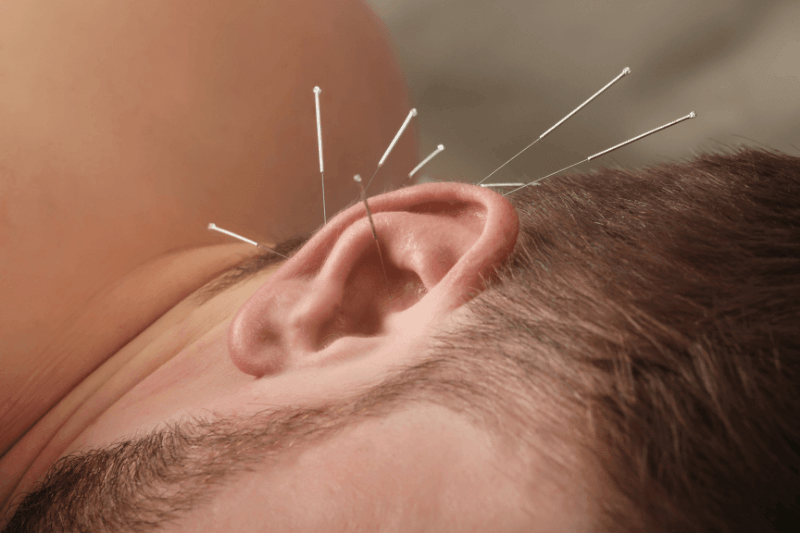
Auricular acupuncture became widely adopted because it is:
Some individuals in recovery struggle to verbalize trauma, emotional pain, or distress during early treatment. Quiet group acupuncture sessions may help create a sense of psychological safety and emotional grounding without requiring active conversation.

Acupuncture has been explored in relation to multiple forms of substance use disorder and compulsive behavior patterns. While it is not considered a stand-alone treatment for addiction, some individuals use acupuncture as part of a broader recovery plan to help manage stress, emotional dysregulation, withdrawal symptoms, and cravings.
Alcohol addiction can affect the nervous system, sleep quality, mood regulation, digestion, and emotional stability. During recovery, many individuals experience heightened anxiety, irritability, restlessness, and sleep disruption, especially during early sobriety.
Individuals recovering from alcohol dependence may seek acupuncture support for:
Opioid addiction often involves intense physical dependence and difficult withdrawal symptoms that can affect both the body and emotional state. Recovery may involve significant discomfort, including muscle pain, insomnia, agitation, and heightened stress sensitivity.
In opioid recovery settings, acupuncture may be used to support:

Nicotine addiction is strongly connected to habit loops, stress responses, and behavioral triggers. Many people attempting to quit smoking experience cravings, irritability, difficulty concentrating, and increased stress levels during withdrawal.
Smoking cessation programs sometimes incorporate acupuncture to help manage:
Prescription drug misuse can involve opioids, sedatives, stimulants, or anti-anxiety medications, each of which may create different physical and psychological withdrawal patterns. Recovery often requires a carefully supervised treatment plan that addresses both dependence and underlying mental health concerns.
Acupuncture may also be explored in recovery involving:
Not all addictive behaviors involve substances. Some individuals struggle with compulsive patterns linked to stress, emotional regulation difficulties, trauma, or reward-seeking behaviors. These patterns can still affect the brain’s reward system, emotional wellbeing, relationships, and daily functioning.
Some practitioners also apply acupuncture approaches to stress-related compulsive behaviors such as:
Many patients describe early acupuncture sessions as calming, emotionally quieting, or physically relaxing.
Common experiences may include:
Some individuals notice benefits immediately, while others report gradual changes over several weeks.
Recovery is rarely linear, and acupuncture responses can vary significantly between individuals.
Trauma and addiction are frequently interconnected.
Many individuals with substance use disorders also experience:
Because unresolved emotional distress may contribute to relapse vulnerability, trauma-informed support is increasingly recognized as an essential part of recovery care.
Early sobriety can intensify emotional symptoms that substances may previously have masked.
Acupuncture is often explored as supportive care for:
This broader emotional stabilization may help individuals remain engaged in counseling, recovery programs, and healthy coping strategies.
Sleep disturbances are extremely common during addiction recovery and may increase relapse risk.
Poor sleep can affect:
Some patients report improved sleep quality after consistent acupuncture sessions, which may positively influence recovery stability.
Traditional Chinese Medicine views addiction through a broader mind-body framework involving emotional balance, organ system relationships, and internal harmony.
Patterns sometimes discussed in TCM may include:
Within TCM philosophy:
Treatment plans are typically individualized based on symptom presentation, emotional patterns, sleep, digestion, stress levels, and constitutional factors.
Acupuncture is generally considered safe when performed by a licensed practitioner using sterile, single-use needles.
Common mild side effects may include:
However, acupuncture should not replace emergency medical care or medically supervised detoxification.
Individuals with severe withdrawal symptoms, psychiatric instability, or complex medical conditions should remain under appropriate medical supervision.
When seeking acupuncture during recovery, it may help to look for practitioners with:
Questions patients may ask include:
Integrated care models are often most beneficial because communication between providers may improve continuity of support.

Recovery support typically works best when multiple healing strategies are combined together.
Balanced nutrition may help stabilize:
Healthy sleep routines may support nervous system recovery and emotional regulation. A consistent bedtime, reduced screen exposure, and calming evening habits may help improve rest quality during recovery.
Mind-body practices may help reduce stress reactivity and improve emotional awareness. Breathwork and meditation can also give individuals healthier tools for managing cravings, anxiety, and emotional triggers.
Gentle movement and exercise may support mood, circulation, sleep quality, and stress resilience. Activities such as walking, stretching, yoga, or light strength training may help release tension and improve body awareness.
Routine and predictability often help reduce emotional chaos and relapse vulnerability during recovery. A steady daily schedule can make it easier to maintain meals, sleep, therapy, movement, and supportive social connection.
Acupuncture continues gaining attention as a supportive therapy within modern addiction recovery programs because recovery involves far more than substance cessation alone. Nervous system regulation, emotional stability, stress reduction, and sleep quality all influence long-term healing outcomes.
While acupuncture is not considered a cure for addiction, many individuals report meaningful improvements in relaxation, emotional resilience, withdrawal tolerance, and recovery engagement when it is integrated into a broader treatment plan.
The strongest recovery approaches typically combine evidence-based medical care, counseling, behavioral support, community connection, and whole-person wellness strategies that address both physical and emotional healing.
At ACA Acupuncture and Wellness, treatment may include acupuncture, cupping therapy, moxibustion, herbal medicine, and other Traditional Chinese Medicine approaches tailored to each person’s needs. To explore supportive holistic care for recovery, contact us to schedule a consultation.
Sources:
Esmaeili Motlagh, F., Ibrahim, F., Abd Rashid, R., & Seghatoleslam, T. (2016). Acupuncture therapy for drug addiction. Chinese Medicine, 11(16).
Acupuncture may be safe during detox when performed by a licensed practitioner and used alongside medical supervision. It should not replace emergency care or medically supervised detox, especially for alcohol, benzodiazepine, or opioid withdrawal.
Acupuncture may help people recovering from alcohol addiction by supporting stress reduction, sleep quality, anxiety management, and emotional balance. It works best as part of a broader recovery plan that includes medical care and counseling.
Acupuncture may support opioid withdrawal by helping ease stress, muscle tension, sleep disruption, and emotional discomfort. It should be used as complementary care, not as a replacement for medication-assisted treatment or medical supervision.
Ear acupuncture for addiction uses specific points on the outer ear to support relaxation, stress regulation, and emotional balance during recovery. It is commonly used in addiction support settings because it is simple, calming, and suitable for group treatment.
Some people feel calmer or sleep better after the first few sessions, while others notice gradual changes over several weeks. Results vary depending on the person’s recovery stage, substance history, stress levels, and consistency of treatment.
Acupuncture may help reduce relapse risk by supporting stress management, sleep, emotional regulation, and craving control. It is most effective when combined with therapy, medical treatment, peer support, and healthy daily routines.
LOCATIONS
MANHATTAN
QUEENS
NEW JERSEY
CALIFORNIA

The over $4 billion US acupuncture market offers a great opportunity with over 10% annual growth rates and a continuing flow of new patients interested in the benefits of acupuncture.