

Last Updated: July 16, 2026
Acupressure can temporarily reduce tooth pain by stimulating specific pressure points that regulate facial nerves, decrease inflammation, and trigger the body’s natural endorphin response, but it does not treat the underlying dental condition. In some clinical settings, acupuncture may also be used to support short-term pain relief through similar mechanisms.
Tooth pain is one of the most neurologically intense forms of discomfort in the human body. The teeth are innervated by branches of the trigeminal nerve, one of the largest sensory nerves in the head, which explains why even minor inflammation can feel overwhelming. While dental treatment is essential for infections, cavities, or structural damage, acupressure provides a non-invasive method to calm pain signals while you wait for professional care.
In Traditional Chinese Medicine, tooth pain is often linked to imbalance in the Large Intestine and Stomach meridians, both of which traverse the face and jaw. Modern research aligns with this view in part, showing that targeted pressure can influence neural pathways, circulation, and inflammatory signaling.
Last Updated: July 16, 2026
Acupressure can temporarily reduce tooth pain by stimulating specific pressure points that regulate facial nerves, decrease inflammation, and trigger the body’s natural endorphin response, but it does not treat the underlying dental condition. In some clinical settings, acupuncture may also be used to support short-term pain relief through similar mechanisms.
Tooth pain is one of the most neurologically intense forms of discomfort in the human body. The teeth are innervated by branches of the trigeminal nerve, one of the largest sensory nerves in the head, which explains why even minor inflammation can feel overwhelming. While dental treatment is essential for infections, cavities, or structural damage, acupressure provides a non-invasive method to calm pain signals while you wait for professional care.
In Traditional Chinese Medicine, tooth pain is often linked to imbalance in the Large Intestine and Stomach meridians, both of which traverse the face and jaw. Modern research aligns with this view in part, showing that targeted pressure can influence neural pathways, circulation, and inflammatory signaling.
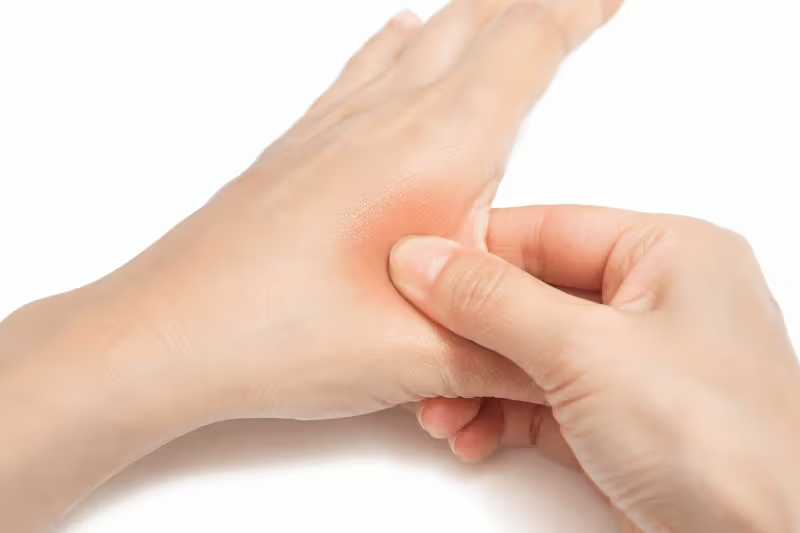
Several acupressure points are traditionally used to relieve toothache, facial discomfort, jaw tightness, and referred nerve pain. Some points work locally around the jaw, while others regulate pain signaling more systemically.
Location: The webbing between the thumb and index finger.
LI4 is one of the most widely used pressure points for facial pain. In TCM, it influences the Large Intestine meridian, which travels through the face and jaw. From a biomedical perspective, stimulating LI4 may help regulate pain perception through the nervous system and support circulation.
Apply firm circular pressure for 1 to 3 minutes. Mild soreness is normal. Avoid LI4 during pregnancy.
Location: On the masseter muscle when the teeth are gently clenched.
ST6 directly targets jaw tension and muscular tightness surrounding painful teeth. This point may be especially helpful when clenching, grinding, or jaw tension worsens discomfort.
Massage deeply for 1 to 2 minutes on the affected side.
Location: Below the pupil at the lower border of the cheekbone.
SI18 is commonly used for facial swelling, nerve discomfort, and upper jaw pain. It may help calm sensitivity near the cheeks and upper molars.
Apply gentle but firm pressure for about 1 minute.
Location: Just in front of the ear opening.
SJ21 may help when tooth pain radiates toward the temple, ear, or side of the face. This point is particularly useful for referred pain patterns linked to jaw tension or inflammation.
Massage for 30 to 60 seconds.
Location: Between the second and third toes.
Although far from the face, ST44 is considered an important distal point in TCM for reducing inflammatory “Heat” affecting the gums and teeth. Acute, throbbing tooth pain often responds well to this point.
Apply steady pressure for 1 to 2 minutes.
Location: In the triangular fossa of the ear.
This ear point may help calm the nervous system and reduce pain perception. It is commonly used for stress-related jaw tension and acute discomfort.
Location: Midway between the shoulder tip and base of the neck.
GB21 may relieve muscular tension contributing to jaw tightness and referred facial pain. It can be especially useful when neck tightness accompanies tooth discomfort.
Avoid during pregnancy.
Location: About four finger-widths below the kneecap.
ST36 is often used to support immune function, reduce inflammation, and regulate systemic stress responses that may worsen pain perception.
Location: Between the eyebrows.
Yintang is frequently used to calm nervous system activation, emotional stress, and facial tension that may aggravate teeth grinding or jaw clenching.
Using pressure points in a specific order may provide better relief than stimulating only one point.
Apply firm circular pressure to LI4 on the hand opposite the painful side for 1 to 2 minutes. This point often helps reduce pain intensity quickly.
Move to ST6 on the affected side of the jaw. Gently clench your teeth to locate the muscle and massage deeply for 1 to 2 minutes.
Massage SI18 beneath the cheekbone for about 1 minute to calm facial sensitivity and discomfort.
If pain travels toward the temple or ear, gently massage SJ21 for 30 to 60 seconds.
Complete the routine using ST44 between the toes to support whole-body pain regulation and reduce inflammatory discomfort.
This routine can be repeated up to two or three times daily. If pressure worsens symptoms, stop and seek professional evaluation.
The location of tooth pain sometimes influences which points feel most effective.
Pain involving the upper molars may respond better to:
Upper tooth pain occasionally results from sinus pressure because the maxillary sinuses sit directly above the upper molars.
Pain involving lower molars or the jawline often responds well to:
When tooth pain worsens from clenching, grinding, or jaw tightness, ST6 and GB21 may help relax surrounding muscles and reduce referred discomfort.
Because nerve referral patterns vary, combining local facial points with distal body points often produces the most balanced response.

Tooth pain often feels disproportionate because the teeth connect to the trigeminal nerve, one of the body’s largest sensory nerves. This nerve sends pain signals directly from the teeth, gums, and jaw to the brainstem.
When inflammation develops inside the tooth pulp, pressure increases in a confined space. Unlike other tissues, the inner tooth has little room to expand, making nerve irritation feel sharp, throbbing, or severe.
Pain may spread beyond the tooth itself and radiate toward the:
Common causes of severe tooth pain include:
Inflammation also increases prostaglandins and inflammatory chemicals that sensitize nerve endings, amplifying discomfort.
Acupressure stimulates mechanoreceptors in the skin and muscle, helping activate the body’s natural pain-regulating systems.
Several modern mechanisms may explain why acupressure helps reduce tooth discomfort:
From a TCM perspective, tooth pain commonly reflects excess Heat in the Stomach channel or stagnation involving facial meridians. Applying pressure helps disperse stagnation and restore energetic balance.
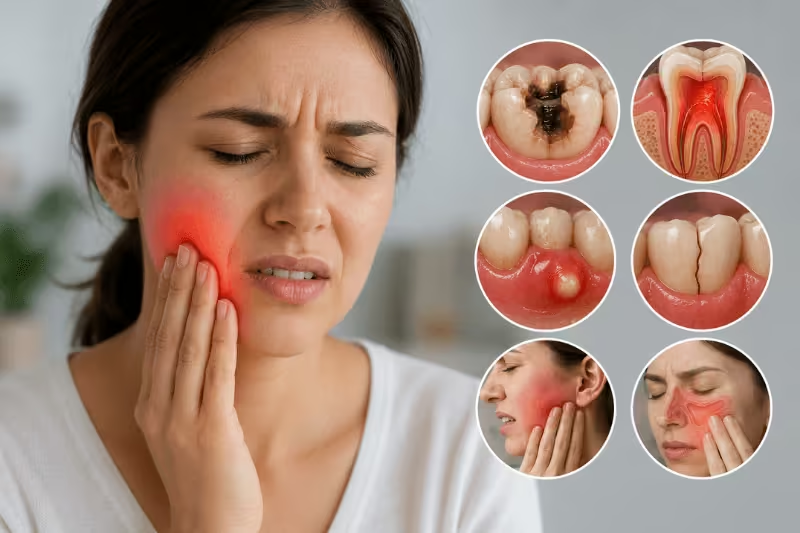
Tooth pain develops when inflammation, infection, or structural damage irritates the dental pulp and surrounding tissues. Because the pulp contains blood vessels and branches of the trigeminal nerve, even small changes in pressure can feel intense.
Understanding the cause of tooth pain matters because acupressure may reduce discomfort temporarily but cannot resolve the underlying dental problem.
Tooth decay is one of the most common causes of toothache. Bacteria gradually wear through enamel and penetrate deeper layers of the tooth. Once decay reaches the dentin or pulp, pain often becomes more persistent and sensitive to temperature.
Pulpitis occurs when the inner dental pulp becomes inflamed, usually from untreated decay or trauma.
Reversible pulpitis may cause temporary sensitivity to cold or sweets.
Irreversible pulpitis often produces severe throbbing pain that may worsen at night or become spontaneous without obvious triggers.
A dental abscess forms when infection spreads to the root tip or surrounding tissues. Symptoms may include:
This condition requires prompt dental treatment.
Small cracks may expose sensitive inner layers of the tooth and trigger sharp pain during chewing or biting. Symptoms may feel intermittent and difficult to localize.
Wisdom teeth that cannot erupt properly may trap bacteria and inflame surrounding tissue, causing swelling, jaw stiffness, and referred discomfort.
Advanced gum inflammation may cause tenderness, aching pain, bleeding gums, and loosening teeth. Chronic inflammation can also increase nerve sensitivity.
Inflammation in the maxillary sinuses can create pressure that mimics tooth pain, especially in the upper molars.
Jaw joint dysfunction sometimes feels like tooth pain because muscular tension and nerve referral patterns overlap. Pain may worsen with chewing, stress, or clenching.
Acupressure may temporarily reduce discomfort, but it cannot fix the underlying cause of tooth pain.
Acupressure does not treat:
Pressure points may calm pain signals, reduce muscular tension, and temporarily improve comfort, but untreated dental problems typically worsen over time.
Persistent pain should never be ignored, especially if accompanied by swelling, fever, facial tenderness, or pus drainage.
The duration of relief varies depending on what is causing the pain.
For mild inflammation, jaw tension, or clenching-related discomfort, relief may last several hours.
If pain comes from pulp inflammation, cavities, infection, or structural damage, symptom improvement is often shorter and may last only minutes to an hour.
Acupressure works best as a temporary support strategy while waiting for dental evaluation rather than a long-term solution.
Acupressure is generally considered safe, but certain situations require caution.
Avoid or consult a healthcare professional before using acupressure if:
People with suspected abscesses or spreading infections should seek prompt dental care rather than relying on home remedies alone.
In Traditional Chinese Medicine, tooth pain reflects an underlying energetic imbalance rather than one uniform condition. Identifying the pattern helps guide more individualized treatment.
This is one of the most common acute presentations of tooth pain in TCM.
Symptoms may include:
Because the Stomach meridian travels through the gums and jaw, excessive internal Heat may rise upward and aggravate the dental region. Pain often improves with cold and worsens with warmth.
Kidney Yin Deficiency often causes a dull, lingering ache that worsens at night.
In TCM, the Kidneys govern the bones and teeth, meaning long-term depletion may reduce nourishment to dental structures.
This pattern may occur more commonly with:
Wind Heat tends to cause sudden-onset tooth pain accompanied by swelling, facial tenderness, or sinus-like pressure.
This pattern resembles acute inflammatory or infectious flare-ups affecting facial channels.
Liver Fire may contribute to tooth pain aggravated by:
Excess internal Heat rises toward the head and face, intensifying discomfort.
Recognizing the pattern behind symptoms helps TCM practitioners tailor treatment more effectively rather than addressing pain alone.
Acupressure often works best when combined with supportive home care measures.
Applying a cold compress to the cheek may help reduce inflammation and numb pain signals. Use short intervals of 10 to 15 minutes.
Saltwater may soothe irritated gums and help reduce oral bacteria.
Clove oil contains eugenol, a naturally occurring compound with mild numbing properties that may temporarily ease discomfort.
Staying hydrated supports circulation and tissue recovery.
Reducing highly processed foods and increasing anti-inflammatory foods may help support overall healing.
Soft foods may also reduce chewing-related irritation during painful flare-ups.
Acupressure and acupuncture are based on similar Traditional Chinese Medicine principles, but they differ in precision, intensity, and depth of treatment.
Acupressure uses manual pressure on specific points and can be performed at home. It may help:
Because it does not involve needles, acupressure offers a simple short-term option while waiting for dental care.
Acupuncture uses thin, sterile needles placed at specific points to influence circulation, nervous system activity, and inflammation more deeply.
For persistent or recurring tooth discomfort, professional acupuncture may provide broader support by helping:
Acupuncture is not a substitute for dental treatment, but it may complement dental care when pain persists or repeatedly returns.
For example, someone with recurring jaw tension and nighttime teeth grinding may benefit from acupuncture alongside a mouth guard and dental evaluation.
Some symptoms suggest infection may be spreading beyond the tooth and require urgent medical attention.
Seek immediate dental or emergency care if you experience:
Dental infections occasionally spread into deeper tissues and may become serious if left untreated. Early treatment helps protect both oral health and overall health.

Tooth pain can feel overwhelming, especially when it appears suddenly or disrupts sleep, eating, or daily activities. Acupressure may provide temporary relief by calming facial nerve signaling, easing jaw tension, and supporting circulation. For some people, relief may occur within minutes, helping make discomfort more manageable while waiting for professional treatment.
However, pain relief alone is not the same as resolving the underlying issue. Cavities, infections, fractures, gum disease, and impacted teeth require proper dental evaluation to prevent worsening symptoms or long-term complications.
In Traditional Chinese Medicine, tooth pain is viewed through a broader lens, considering not only local discomfort but also patterns involving inflammation, stress, jaw tension, and systemic imbalance. A more comprehensive approach may help support both immediate comfort and long-term wellness.
At ACA Acupuncture and Wellness, treatment is tailored to each person’s symptoms and underlying pattern. Depending on your needs, care may incorporate acupuncture, Tui Na massage, Chinese herbal medicine, and other supportive therapies designed to help regulate pain, reduce muscular tension, and support whole-body balance. If you are experiencing persistent or recurring tooth discomfort, professional evaluation may help identify a more sustainable path forward.
Sources:
University of Baghdad. (2025, February 10). A randomized clinical trial of the effectiveness of acupressure in relieving orthodontic pain (ClinicalTrials.gov Identifier: NCT06812936). U.S. National Library of Medicine.
Müller, M., Schmucker, C., Naumann, J., Schlueter, N., Huber, R., & Lederer, A.-K. (2023). Acupuncture in management of acute dental pain: A systematic review and meta-analysis. Japanese Dental Science Review, 59, 114–128.
Acupuncture may help reduce jaw soreness, facial tension, and mild discomfort after certain dental procedures. It may also support relaxation when dental stress causes clenching or muscle tightness. However, new, severe, or worsening pain after dental work should be checked by a dentist to rule out infection, nerve irritation, or complications.
Acupuncture is generally considered safe when performed by a licensed practitioner using sterile, single-use needles. For tooth pain, the practitioner may use points on the face, hands, feet, ears, or body depending on the pain pattern. It should not replace dental care when pain is caused by decay, infection, abscess, or injury.
The number of sessions depends on the cause, severity, and duration of the pain. Some people notice short-term relief after one session, while recurring jaw tension, TMJ-related tooth pain, or stress-related clenching may require several treatments. A licensed acupuncturist can recommend a care plan after evaluating your symptoms.
Yes, acupuncture may help when tooth pain is related to TMJ dysfunction, jaw tightness, or teeth grinding. By relaxing the masseter, neck, and facial muscles, acupuncture may reduce referred pain that feels like it is coming from the teeth. Dental evaluation is still important to make sure the pain is not from decay or infection.
No. Acupuncture does not treat or cure a tooth infection. It may temporarily reduce pain, inflammation, or stress-related tension, but antibiotics, drainage, root canal therapy, extraction, or other dental care may be needed depending on the infection. Fever, swelling, pus, or severe pain requires urgent dental attention.
Acupuncture may help calm nerve-related tooth pain by supporting nervous system regulation and reducing pain sensitivity. It may be useful when pain involves facial nerve irritation, jaw tension, or referred discomfort. However, severe tooth nerve pain from pulpitis, infection, or dental trauma requires dental diagnosis and treatment.
LOCATIONS
MANHATTAN
QUEENS
NEW JERSEY
CALIFORNIA

The over $4 billion US acupuncture market offers a great opportunity with over 10% annual growth rates and a continuing flow of new patients interested in the benefits of acupuncture.
