
Acupuncture can help relieve allergy-related nasal congestion, making it an option when a blocked nose affects your breathing comfort and daily routine. Your response depends on what is causing the congestion, so understanding your symptoms helps you choose care that fits your needs.
When a blocked nose interrupts sleep, makes meals less enjoyable, or leaves you breathing through your mouth, finding relief becomes a daily priority. Before choosing treatment, consider what is narrowing your nasal passages and whether that problem needs attention beyond symptom management.
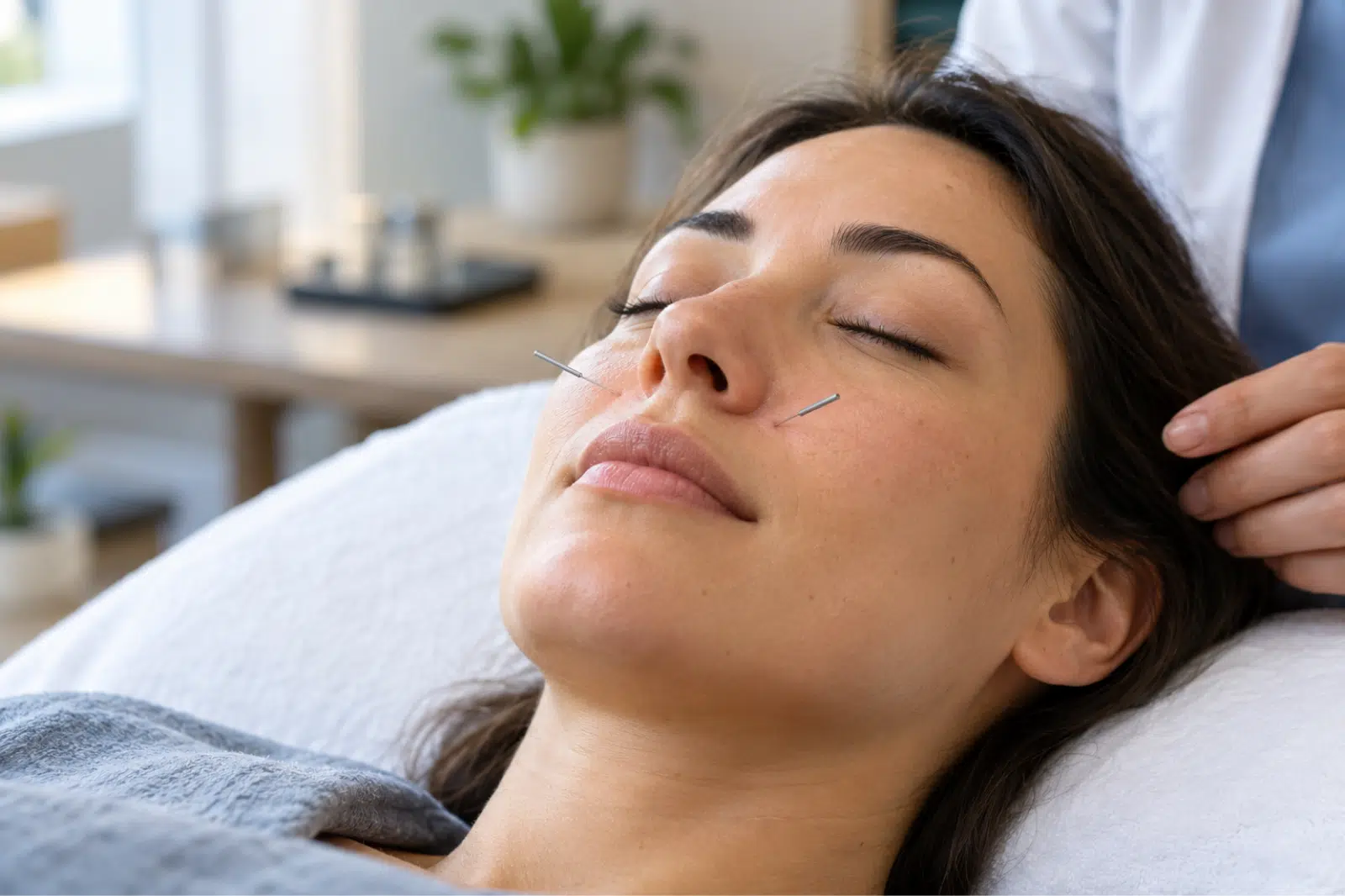
Acupuncture can help relieve allergy-related nasal congestion, making it an option when a blocked nose affects your breathing comfort and daily routine. Your response depends on what is causing the congestion, so understanding your symptoms helps you choose care that fits your needs.
When a blocked nose interrupts sleep, makes meals less enjoyable, or leaves you breathing through your mouth, finding relief becomes a daily priority. Before choosing treatment, consider what is narrowing your nasal passages and whether that problem needs attention beyond symptom management.
Nasal congestion is a feeling of restricted airflow through the nose. A stuffy nose does not always mean that mucus is filling the nasal passages.
Inside your nose, the lining and turbinates help warm, humidify, and filter incoming air. Turbinates are tissue-covered structures along the nasal walls. When the lining becomes swollen, the available space for airflow decreases.
That explains why you can feel blocked even when blowing your nose produces very little mucus.
The pattern of your symptoms provides useful clues:
Nasal blockage and sinus problems overlap, but they are different concerns. Sinusitis involves inflammation of the sinuses and can include facial pain, reduced smell, and nasal discharge. A blocked nose alone does not establish that you have a sinus infection.
Acupuncture uses fine needles at selected body points. Its role in nasal congestion care is symptom management rather than physically removing an obstruction.
For allergy-related congestion, acupuncture is an option to discuss when symptoms remain troublesome or you want complementary support. That does not make it equally suitable for every cause of a blocked nose.
Be cautious about promises that acupuncture will “drain your sinuses,” permanently open your nose, or eliminate allergies. A comfortable feeling after treatment does not establish that swollen tissue has resolved or that an underlying condition has been corrected.
Traditional Chinese medicine considers nasal symptoms within a broader pattern that can include sleep, temperature sensitivity, and other concerns. This framework informs point selection. It does not replace a medical diagnosis of allergic rhinitis, nasal polyps, or another cause of obstruction.
The practical question is whether treatment makes your daily symptoms meaningfully easier to manage.

Practitioners can combine points near the nose with points elsewhere on the body. Commonly selected points include:
These names describe treatment locations, not a universal prescription. Your practitioner selects points according to your symptoms, health history, and treatment approach.
Facial points do not mean that needles must enter your nostrils. Ask your practitioner to explain the proposed locations before treatment, especially if facial needling makes you uncomfortable.
Acupressure uses external pressure rather than needles. Do not attempt self-needling or press deeply around your eyes.
An acupuncture consultation for nasal congestion should begin with your symptom history, current treatments, and relevant medical conditions.
Useful details include when the blockage started, whether it affects one or both sides, and what makes it worse. Mention nighttime symptoms, changes in smell, frequent nosebleeds, and previous nasal surgery.
Bring a list of medications and nasal sprays. A spray that briefly clears your nose but seems increasingly necessary is particularly important to discuss.
During treatment, fine needles are placed at selected points. You might feel a brief prick, mild aching, or another light sensation. Tell your practitioner about sharp pain or persistent discomfort so they can adjust treatment.
There is no single appointment schedule that suits every blocked nose. Ask what the initial plan involves, when progress will be reviewed, and what would prompt referral rather than further sessions.
Useful improvement means that congestion interferes less with your life over time.
Before your first appointment, choose two or three practical measures:
A simple zero-to-ten symptom score can make comparisons easier. Record major changes in pollen exposure, illness, or medication alongside it.
Feeling clearer immediately after a session is encouraging, but lasting comfort matters more than a brief change on the treatment table. If symptoms remain unchanged or worsen, reassess the plan rather than continuing indefinitely.
Do not use reduced medication use as a target unless your prescribing clinician agrees.
Acupuncture does not straighten a deviated septum, remove nasal polyps, or replace treatment for an infection.
Nasal polyps can obstruct airflow and reduce your sense of smell. They need assessment and can require medication or surgery.
Likewise, treating discomfort does not establish that chronic sinus inflammation or a structural problem has resolved.
If someone notices pauses in your breathing during sleep, or you regularly wake gasping, arrange medical assessment. Clearing a stuffy nose alone is not a treatment plan for suspected sleep apnea.

Supportive nasal care works best when it matches the cause of congestion.
Saline rinsing helps wash away mucus and allergens. Use distilled, sterile, or previously boiled and cooled water, and clean the device according to its instructions. Untreated tap water is unsafe for nasal irrigation.
Reduce exposure to triggers you recognize, such as smoke, fragrance, or allergens. A symptom diary can reveal patterns that are easy to miss during a busy week.
For allergic rhinitis, treatment can include intranasal corticosteroids or antihistamines, depending on your symptoms. Ask a clinician or pharmacist which option fits your needs.
Decongestant sprays are different from steroid nasal sprays. Using a decongestant spray longer than directed can make stuffiness worse. Follow the product’s duration limit and seek advice if you feel unable to stop using it.
Herbal remedies are not automatically safe because they are natural. Herbal products can interact with medicines, and some contain contaminants or undeclared ingredients. Discuss any formula with your clinician, particularly during pregnancy or when taking regular medication.
Avoid putting essential oils or herbal preparations inside your nostrils.
Choose a licensed, appropriately trained acupuncturist who uses sterile, single-use needles. Minor bruising, soreness, or bleeding can occur. Incorrectly performed acupuncture can cause serious complications. Disclose pregnancy, bleeding disorders, blood-thinning medication, and other relevant conditions before treatment.
Arrange medical evaluation for blockage that persists for several weeks, repeatedly returns, or stays on one side. Recurrent bleeding, worsening pain, or a lasting change in smell also deserves attention.
Seek urgent care for difficulty breathing beyond nasal stuffiness, eye swelling or vision changes, severe headache, confusion, or rapidly worsening symptoms.
When nasal congestion disrupts your sleep or daily comfort, understanding its cause helps you choose appropriate care. Acupuncture may offer support for allergy-related symptoms, while persistent or unusual blockage needs medical assessment. Set clear goals and review your progress so each treatment decision reflects how you feel over time.
At ACA Acupuncture & Wellness, we take time to discuss your symptoms, health history, and current treatments to help you consider whether acupuncture fits your care plan. If a blocked nose is affecting your routine, schedule a consultation to discuss your concerns and next steps.
Disclaimer: This article is for general information and does not replace medical advice, diagnosis, or treatment. Acupuncture results vary and should not replace prescribed care. Consult a qualified healthcare professional about persistent nasal congestion or before starting a new treatment.
Immediate relief is not guaranteed. If your breathing feels easier after treatment, notice how long the change lasts and whether it improves sleep or daily comfort.
There is no universal session count. Agree on an initial treatment plan and a review point before committing to ongoing appointments.
Suitability depends on the cause. Swollen nasal tissue can create blockage without much discharge, so the absence of mucus does not identify which treatment you need.
The normal nasal cycle alternates airflow between the nostrils. Lying down can make the difference more noticeable. Persistent blockage on the same side warrants assessment.
Acupuncture can be considered alongside prescribed allergy care. Keep your clinicians informed and continue medication as directed unless your prescriber changes the plan.
They are different techniques, and their results should not be treated as interchangeable. Acupressure uses external pressure; acupuncture involves needle insertion by a trained practitioner.
Sources:
American Academy of Otolaryngology–Head and Neck Surgery. (n.d.). AAO-HNSF clinical practice guideline: Allergic rhinitis—Press release & fact sheet.
LOCATIONS
MANHATTAN
QUEENS
NEW JERSEY
CALIFORNIA

The over $4 billion US acupuncture market offers a great opportunity with over 10% annual growth rates and a continuing flow of new patients interested in the benefits of acupuncture.