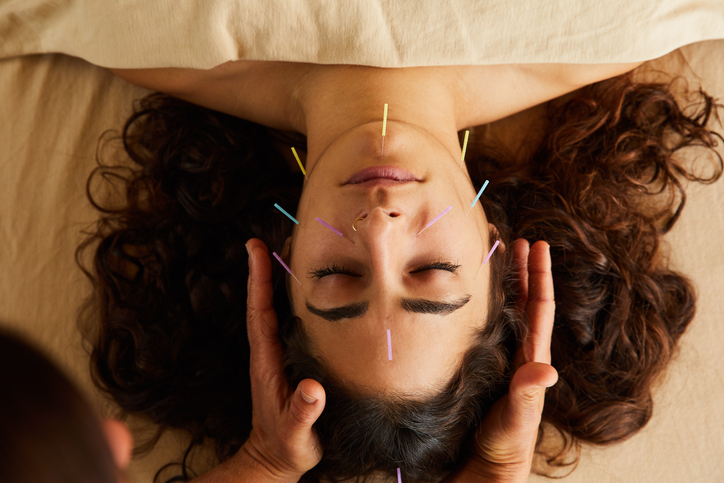

The right choice between scraping and cupping depends on your symptoms, health history, and comfort: scraping applies focused pressure with a handheld tool, while cupping uses suction to lift the skin.
If muscle soreness or stiffness is affecting your sleep, work, or exercise, both treatments may come up as options. Knowing what they involve can help you decide whether either belongs in your care.
The goal is to make daily activities more comfortable. Treatment should have a clear purpose, feel tolerable, and be reviewed based on how you respond.
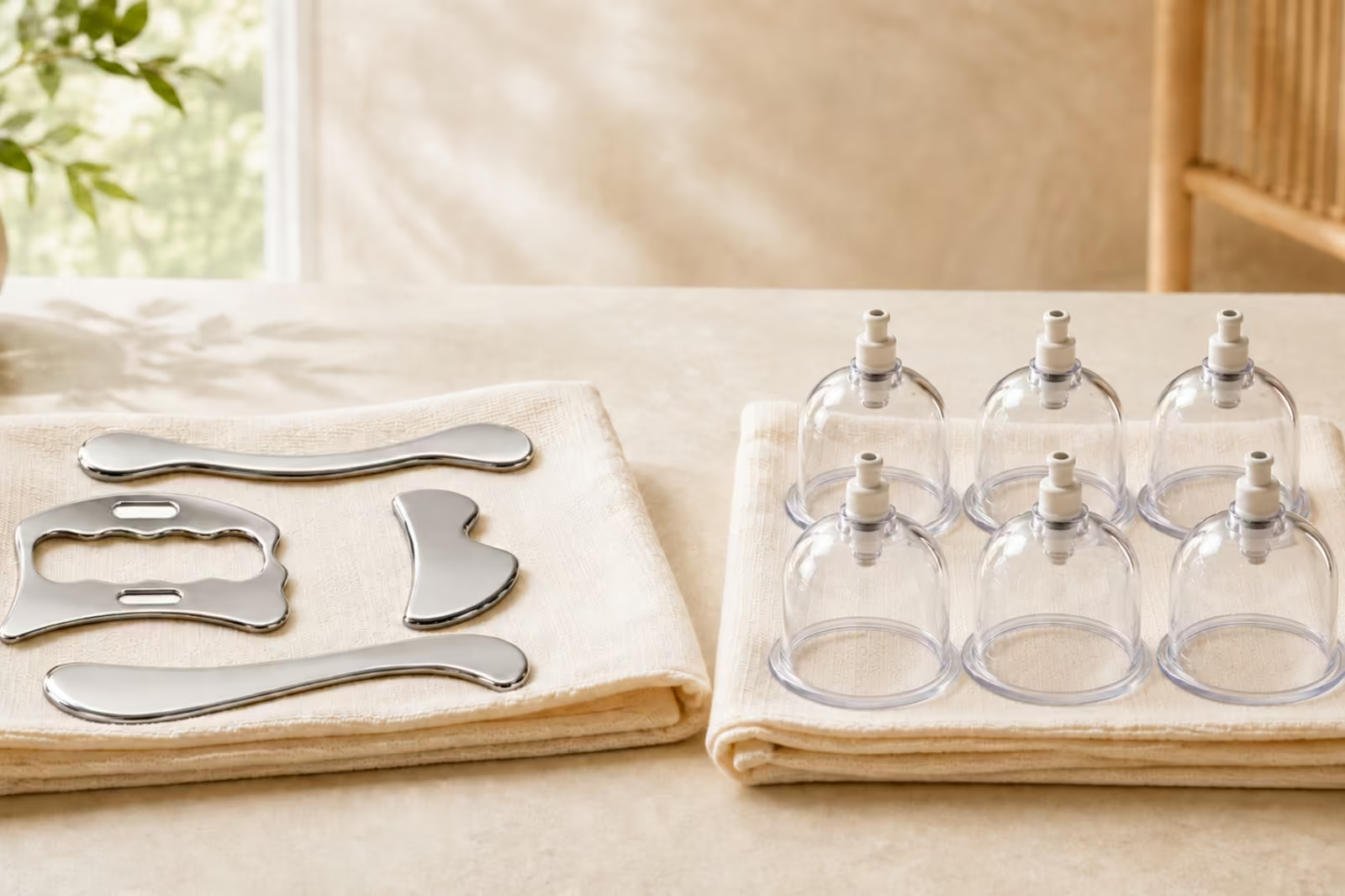
The right choice between scraping and cupping depends on your symptoms, health history, and comfort: scraping applies focused pressure with a handheld tool, while cupping uses suction to lift the skin.
If muscle soreness or stiffness is affecting your sleep, work, or exercise, both treatments may come up as options. Knowing what they involve can help you decide whether either belongs in your care.
The goal is to make daily activities more comfortable. Treatment should have a clear purpose, feel tolerable, and be reviewed based on how you respond.
Scraping and cupping differ mainly in how they apply force and how they feel.
| What to expect | Scraping | Cupping |
| Method | A smooth tool glides across lubricated skin | Cups create suction against the skin |
| Sensation | Rubbing and focused pressure | Pulling, stretching, or tightness |
| Adjustment | Pressure and strokes can be changed | Suction and placement can be changed |
| Skin effects | Temporary redness or bruising | Circular marks or bruising |
| Treatment aim | More comfortable movement and reduced soreness | More comfortable movement and reduced soreness |
Both techniques can be used over selected areas. The common idea that scraping is always better for small sore spots and cupping is always better for widespread tightness is too simple to guide your care.
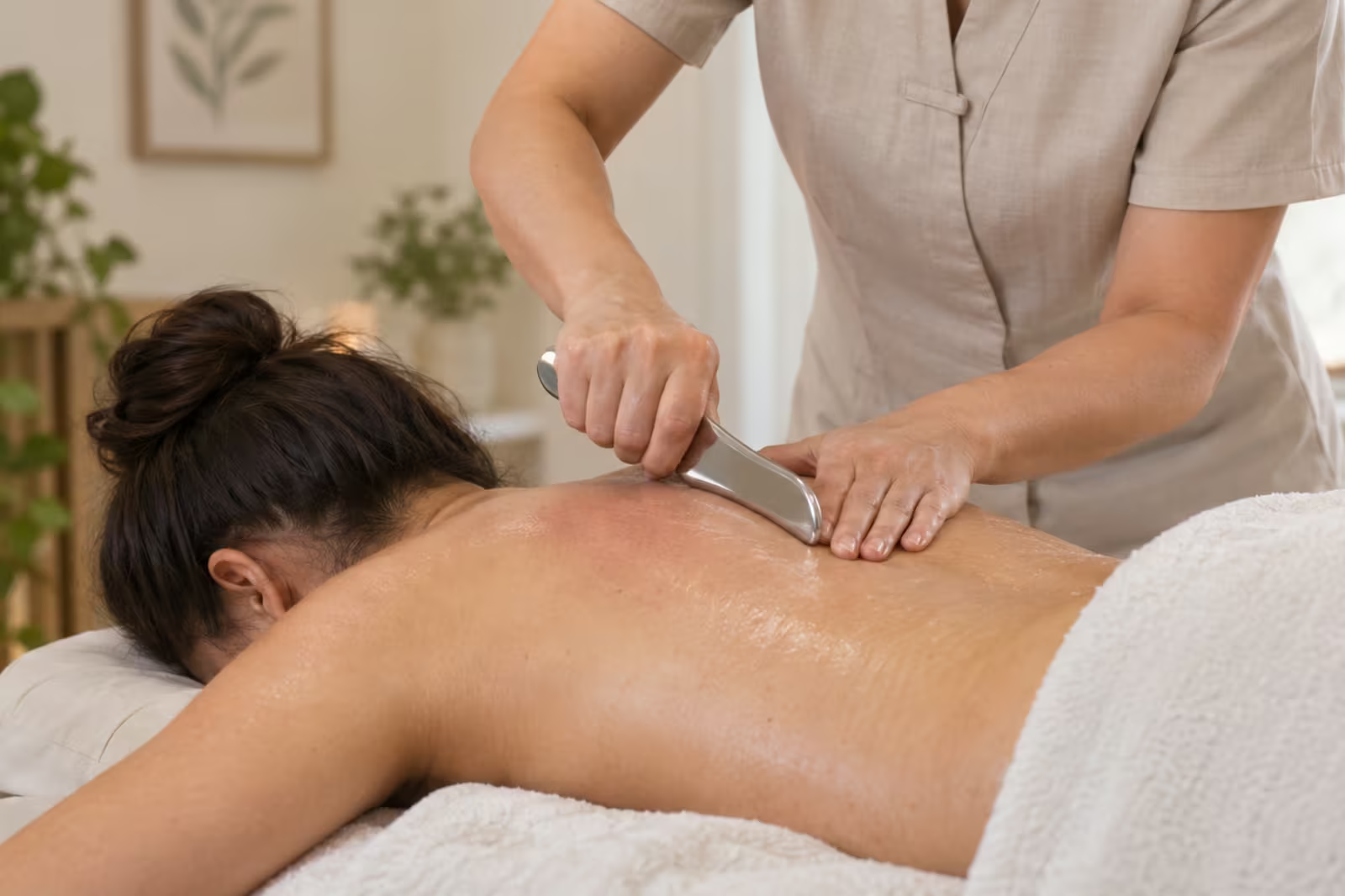
Scraping therapy involves moving a smooth-edged tool across the skin with controlled pressure.
Your provider applies lotion or oil to reduce friction, then works over the selected area. The technique should not cut or remove skin.
In a rehabilitation clinic, you may hear scraping called instrument-assisted soft tissue mobilization, or IASTM. This means soft-tissue treatment performed with a tool. Graston Technique is one branded approach.
Scraping is sometimes offered for soreness, stiffness, or discomfort with movement. It may form part of a plan that includes exercise and changes to activities that aggravate symptoms.
Descriptions such as “breaking up scar tissue” can create unrealistic expectations. Feeling less stiff afterward does not prove that scar tissue has been physically removed. Tenderness during treatment also does not confirm that your provider has found an injury.
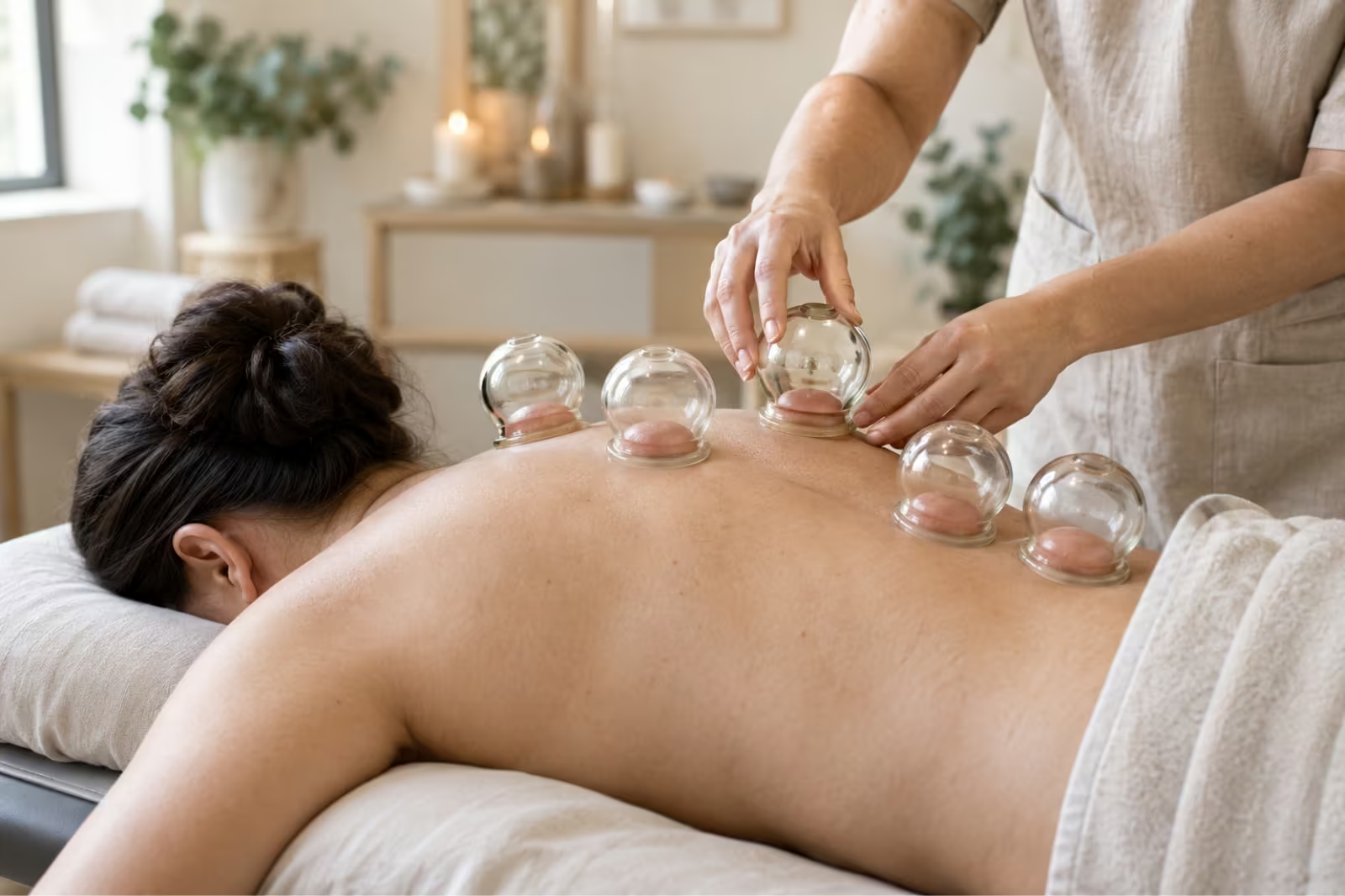
Cupping uses suction to draw the skin upward inside a cup.
The cups may stay in one position or move across lubricated skin. You will usually feel pulling or tightness beneath them.
Dry cupping leaves the skin intact. Wet cupping involves piercing the skin and drawing blood, so it carries different risks.
People often seek cupping for muscle soreness or stiffness. Some find the sensation relaxing; others find suction uncomfortable. The provider should adjust the treatment to your tolerance.
The circular marks that sometimes follow cupping are a skin response to suction. They do not show that toxins have been removed or that treatment has worked.
Start with the cause of your symptoms and the purpose of treatment. The following situations can help frame a conversation with a qualified practitioner, rather than serve as a way to diagnose or select treatment yourself.
A practitioner trained in Gua Sha may consider scraping therapy for muscle soreness or stiffness when repeated, controlled strokes over the area are appropriate. Someone comfortable with direct pressure may prefer this sensation to the pulling of cups.
If the concern involves rehabilitation after an injury, the discussion may instead involve IASTM. Ask which technique is being proposed and how it supports the wider recovery plan.
For example, pain during gripping or walking requires an assessment of what is causing it. A tool-assisted treatment, if appropriate, would be an addition to care rather than a replacement for prescribed exercise or activity changes.
Cupping may be considered for muscle-related back, neck, or shoulder discomfort when the skin and health history allow it. It may also appeal to someone who prefers suction to repeated rubbing or tool pressure.
Stationary cups allow treatment over selected spots, while moving cups can cover a larger area. This flexibility means cupping is not limited to widespread tightness.
A useful treatment goal might be turning your head more comfortably, reaching with less discomfort, or tolerating sitting for longer. The decision to continue should depend on whether these activities improve.
New, unexplained, worsening, or injury-related pain needs assessment before choosing either technique. Neither treatment repairs a torn tendon, corrects a slipped disc, or addresses every cause of stiffness.
For tightness near a surgical scar, consult your surgical or rehabilitation team first. A wound can look closed while deeper tissues are still healing.
If your skin is irritated, you bruise easily, or pressure and suction both feel unpleasant, a different treatment may be more suitable.
Ask the practitioner to connect the proposed treatment to your situation:
The size of the sore area alone should not determine the choice.
Scraping and cupping should remain within a level of discomfort you have agreed to accept.
Scraping can feel tender where pressure is applied. Cupping usually produces tightness or pulling. Neither should require you to endure sharp pain.
Ask for an adjustment if you experience:
You can stop a session at any time. More pressure or stronger suction does not guarantee more relief.
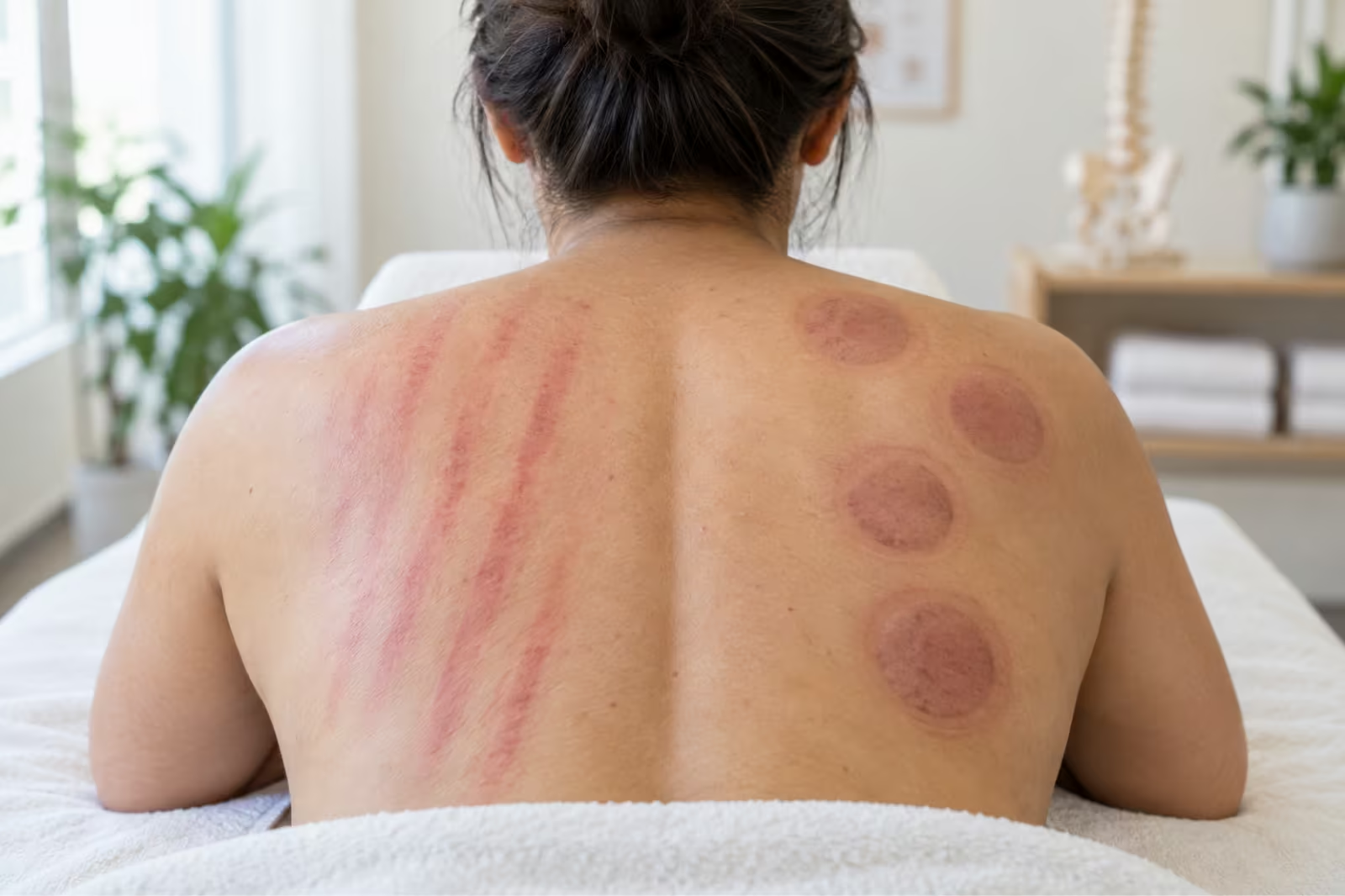
Both treatments can cause temporary skin changes.
Scraping may leave redness, small red spots, or bruising. Cupping often leaves circular discoloration that fades within one or two weeks, although healing time varies.
Darker marks do not mean a larger problem was found or more effective treatment was delivered. Bruising should never be the goal.
Discuss visible marks before treatment if you have an event, swimming plans, or clothing preferences that make them inconvenient.
Severe pain, blistering, spreading redness, discharge, or fever needs medical advice. These symptoms should not be dismissed as routine soreness.
Your skin health, medications, and medical history can affect whether treatment is suitable.
Do not have scraping or cupping directly over open wounds, infected skin, or damaged areas.
Tell your provider if you:
Your provider should explain whether these concerns require an adjustment or a different option. Do not stop prescribed medication to attend treatment.
Some symptoms need medical assessment before any hands-on care. Back pain with new bladder or bowel problems, numbness around the groin, or weakness in both legs requires emergency attention.
A first appointment should establish what is bothering you and what improvement would matter to you.
Your provider should ask about your symptoms, health history, medication, and daily activities. They may assess how you move before recommending treatment.
Before starting, expect an explanation of the proposed technique, possible discomfort, and skin effects. You should have an opportunity to ask questions and agree to the treatment.
During the session, give clear feedback. Your provider cannot judge comfort from skin appearance alone.
Before leaving, ask what to expect afterward, which activities are appropriate, and when to contact the clinic.
Measure progress through activities that matter in your daily life.
Before treatment, identify one task affected by your symptoms. This could be turning your head, reaching a cupboard, climbing stairs, or sitting through a meal.
Notice how it feels after the appointment and the following day. Consider whether you can do it more comfortably and whether the improvement lasts.
Short-lived relief can still feel welcome. It is also reasonable to ask whether the benefit justifies the cost, time, and soreness.
Agree on a point to review progress. If treatment repeatedly leaves you worse or produces no useful change, the plan needs another look.
Ask why the treatment is being suggested and what the full appointment will cost.
Find out whether scraping or cupping is included in the visit or charged separately. If you intend to use insurance, confirm coverage with the clinic and insurer.
Useful questions include:
Choose a provider who explains the reasoning clearly and welcomes your questions. You should understand what you are agreeing to before paying for a course of care.
Understanding scraping therapy and cupping can help you make informed decisions about muscle soreness and stiffness. Your next step should reflect your symptoms, health history, and the activities you want to do more comfortably.
At ACA Acupuncture and Wellness, we consider your symptoms, daily habits, and treatment goals when discussing acupuncture and cupping. If you are considering cupping, understanding cupping therapy costs in New York can help you plan for your appointment.
Book an appointment with ACA Acupuncture and Wellness to discuss whether acupuncture or cupping may fit your care needs.
Sources:
Chu, E. C. P., Wong, A. Y. L., Sim, P., & Krüger, F. (2021). Exploring scraping therapy: Contemporary views on an ancient healing—A review. Journal of Family Medicine and Primary Care, 10(8), 2757–2762.
Wear comfortable clothing and keep the treatment area free from heavy lotions or oils unless instructed otherwise. Share any recent injuries, skin changes, medications, or changes in your health before the session begins.
The duration varies depending on the area being treated and whether the technique is combined with other forms of care. Ask how much of the appointment will involve scraping or cupping when booking.
Choose loose, comfortable clothing that allows easy access to the treatment area. Depending on your symptoms, you may need to expose part of your back, shoulders, arms, or legs while remaining appropriately covered.
No. Scraping applies controlled strokes with a smooth-edged tool, while cupping uses cups to create suction. Massage generally uses hands to apply pressure, knead muscles, and move soft tissue.
A lukewarm shower is generally more comfortable than very hot water when the skin feels sensitive. Avoid vigorous scrubbing over redness, bruises, or cupping marks, and gently pat the area dry.
Any reusable tools or cups should be thoroughly cleaned and disinfected between uses. Items exposed to blood or broken skin require appropriate infection-control procedures and should never be shared without proper sterilization.
LOCATIONS
MANHATTAN
QUEENS
NEW JERSEY
CALIFORNIA
The over $4 billion US acupuncture market offers a great opportunity with over 10% annual growth rates and a continuing flow of new patients interested in the benefits of acupuncture.
