


Acupuncture may help relieve Morton’s neuroma symptoms by reducing inflammation, improving blood flow, decreasing nerve irritation, and supporting the body’s natural pain-control mechanisms. While it is not considered a guaranteed cure, many people use acupuncture as part of a comprehensive treatment plan that includes footwear changes, orthotics, exercise, and activity modification.
Morton’s neuroma is one of the most frustrating causes of forefoot pain because even simple activities such as walking, exercising, climbing stairs, or standing for extended periods can become uncomfortable. The condition develops when tissue surrounding an interdigital nerve thickens, creating pressure and irritation that may trigger sharp, burning, or tingling sensations in the ball of the foot.
As symptoms persist, many people begin searching for alternatives to medication, injections, and surgery. Acupuncture has become increasingly popular because it offers a minimally invasive approach that addresses pain, circulation, inflammation, muscle tension, and overall function.
Although research is still evolving, growing evidence suggests that acupuncture may provide meaningful relief for some individuals, especially when combined with conventional care.
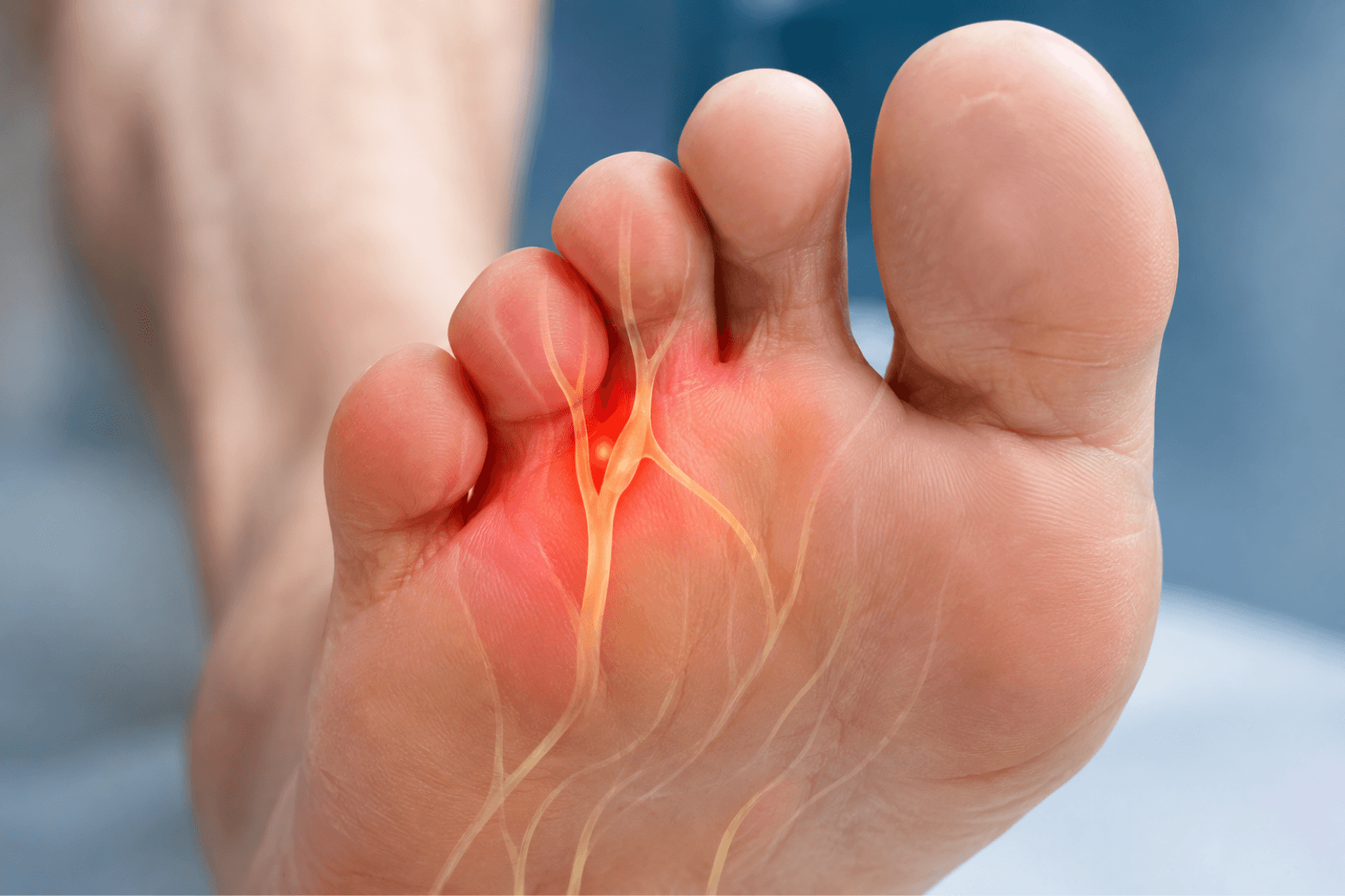
Acupuncture may help relieve Morton’s neuroma symptoms by reducing inflammation, improving blood flow, decreasing nerve irritation, and supporting the body’s natural pain-control mechanisms. While it is not considered a guaranteed cure, many people use acupuncture as part of a comprehensive treatment plan that includes footwear changes, orthotics, exercise, and activity modification.
Morton’s neuroma is one of the most frustrating causes of forefoot pain because even simple activities such as walking, exercising, climbing stairs, or standing for extended periods can become uncomfortable. The condition develops when tissue surrounding an interdigital nerve thickens, creating pressure and irritation that may trigger sharp, burning, or tingling sensations in the ball of the foot.
As symptoms persist, many people begin searching for alternatives to medication, injections, and surgery. Acupuncture has become increasingly popular because it offers a minimally invasive approach that addresses pain, circulation, inflammation, muscle tension, and overall function.
Although research is still evolving, growing evidence suggests that acupuncture may provide meaningful relief for some individuals, especially when combined with conventional care.
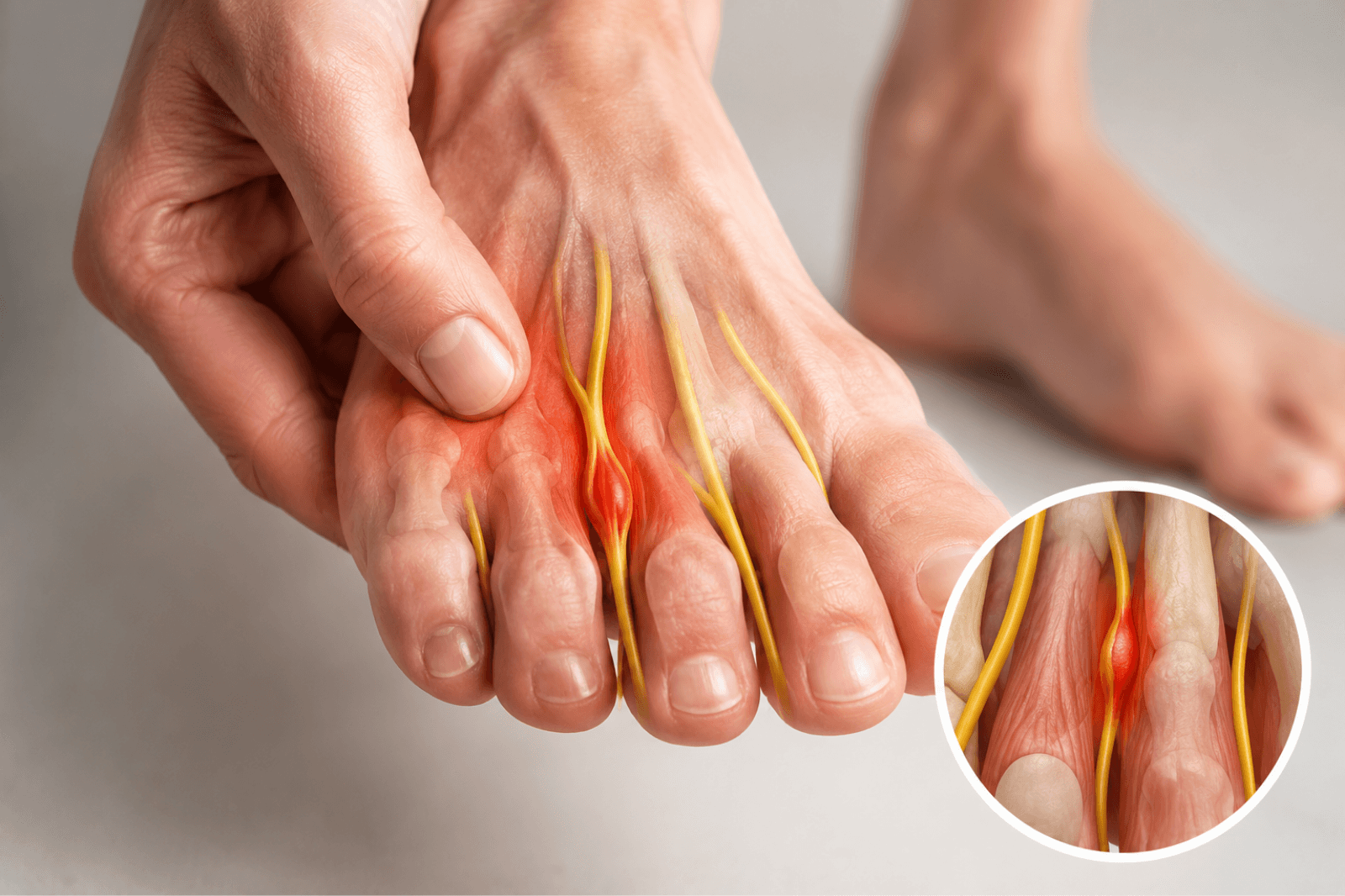
Morton’s neuroma is a painful condition involving irritation and thickening of tissue surrounding one of the small nerves that travel between the toes. Despite its name, it is not a true tumor. Instead, it is more accurately described as a nerve entrapment syndrome.
The condition most commonly affects the area between the third and fourth toes, although the space between the second and third toes can also become involved.
Over time, repeated compression may increase inflammation and nerve sensitivity, leading to progressively worsening symptoms.
Symptoms vary considerably from person to person, but common complaints include:
Some individuals notice symptoms only during activity, while others experience discomfort even while resting.
Several factors can contribute to the development of Morton’s neuroma.
Shoes that compress the forefoot may place excessive pressure on the interdigital nerves.
Running, dancing, jumping, and high-impact sports can repeatedly stress the affected area.
Flat feet, bunions, hammertoes, and other structural changes may alter walking mechanics and increase nerve compression.
Abnormal gait patterns can redistribute pressure across the foot, increasing strain on surrounding tissues.
Diagnosis typically begins with a detailed medical history and physical examination.
Healthcare providers may assess:
Imaging studies such as ultrasound examinations and magnetic resonance imaging may help confirm the diagnosis and exclude other conditions.
Because many disorders produce similar symptoms, obtaining an accurate diagnosis is essential before beginning treatment.
Conservative treatment often begins with relatively simple interventions.
Common approaches include:
Surgery may be considered when conservative measures fail to provide sufficient relief.
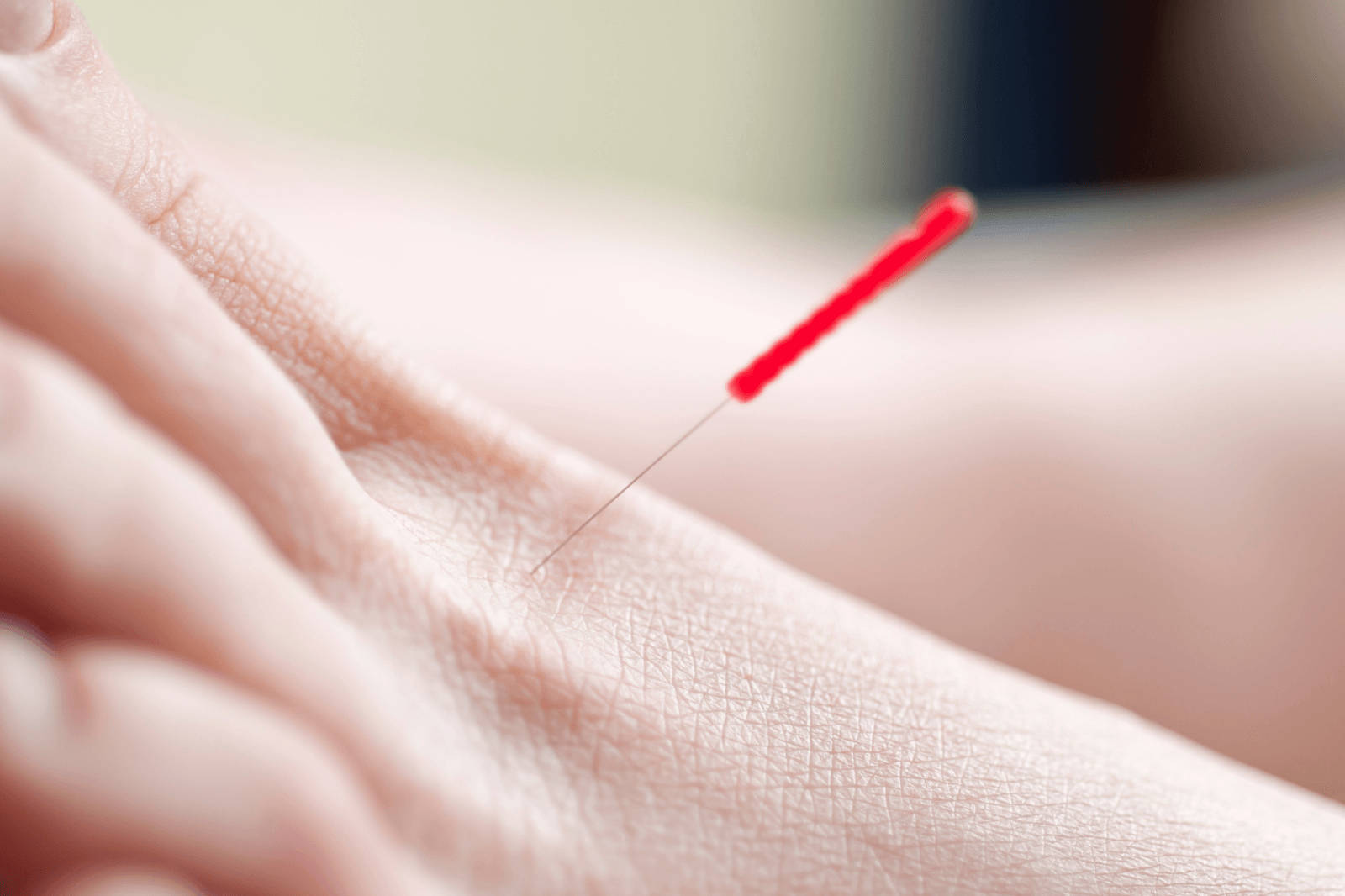
Acupuncture cannot eliminate every case of Morton’s neuroma, but it may help reduce symptoms and improve daily function.
Researchers believe several mechanisms may contribute to its effects.
Acupuncture appears to stimulate the release of endorphins, serotonin, adenosine, and other substances involved in pain modulation. Studies also suggest that acupuncture may influence local circulation, inflammation, connective tissue function, and nervous system activity.
Rather than focusing solely on the affected nerve, acupuncture often addresses the broader mechanical and physiological factors contributing to symptoms.
Acupuncture may help reduce pain sensitivity by affecting communication pathways between the nervous system and the brain.
Increased blood flow may support tissue repair while helping remove inflammatory compounds from the area.
Although inflammation serves an essential role in healing, excessive inflammation may contribute to ongoing discomfort.
Tight muscles in the calves, feet, and lower legs may increase mechanical stress throughout the forefoot.
Many people unconsciously shift their weight away from painful areas. Over time, these altered movement patterns can contribute to additional discomfort involving the ankles, knees, hips, and lower back.
Treatment plans vary according to the individual’s symptoms, overall health, and examination findings.
Points located near the forefoot may be combined with more distant points along various meridians to address both local discomfort and broader patterns of imbalance.
These points may include areas associated with the liver, gallbladder, stomach, kidney, and spleen channels.
Because Traditional Chinese Medicine emphasizes pattern differentiation, no universal protocol exists.
Electroacupuncture combines traditional needling techniques with gentle electrical stimulation.
Small clips connect selected needles to a device that delivers low-frequency impulses. Many people describe the sensation as a mild pulsing or tapping feeling.
Researchers continue investigating whether electroacupuncture produces different effects compared with manual acupuncture, particularly for chronic pain conditions involving nerves.
An initial visit often includes a comprehensive assessment of symptoms, activity levels, posture, and walking mechanics.
A typical session may involve the following steps:
Some treatment plans may also incorporate massage, cupping, stretching, or movement therapy.
Recovery varies considerably depending on several factors:
Acute cases may respond more quickly than chronic conditions that have developed over months or years.
Many people notice gradual improvement after several sessions, although timelines differ from person to person.
Acupuncture is often most effective when integrated into a comprehensive management strategy.
Supportive measures may include:
This broader approach recognizes that pain frequently arises from multiple contributing factors rather than a single source.
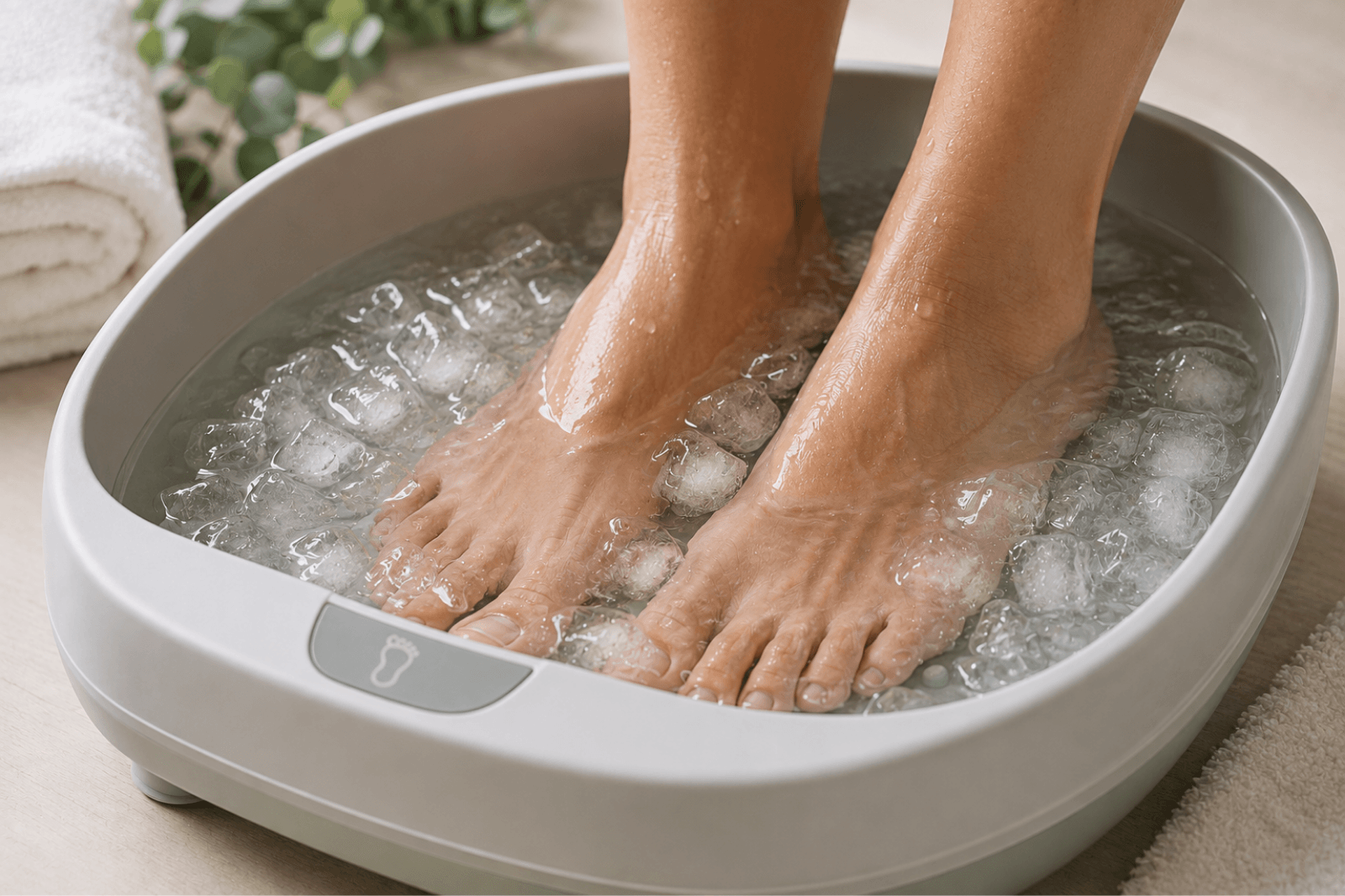
Several practical measures may help reduce irritation between appointments.
Short periods of icing may help control discomfort after activity.
Improving flexibility throughout the calves and feet may help redistribute pressure more evenly.
Targeted exercises may support balance and stability.
Footwear with adequate cushioning and sufficient space around the toes may reduce mechanical stress.
Corticosteroid injections frequently provide faster symptom relief, but their effects may diminish over time.
Acupuncture often produces a more gradual response. Some people prefer this approach because it avoids repeated steroid exposure.
The most appropriate choice depends on symptom severity, medical history, personal preferences, and treatment goals.
Surgery may become necessary when conservative treatments fail to produce meaningful improvement.
Unlike surgery, acupuncture does not require incisions or prolonged recovery periods. However, severe cases involving significant structural compression may require more aggressive intervention.
When performed by a qualified professional, acupuncture is generally considered safe.
Possible side effects include:
Discussing medications, medical conditions, and treatment goals beforehand can help minimize risks.
Prompt evaluation is important if you experience:
Early intervention may help prevent symptoms from becoming more severe.

Although Morton’s neuroma affects a small nerve within the foot, the condition rarely exists in isolation.
Foot mechanics influence the ankles, knees, hips, pelvis, and spine. Likewise, muscle tension, inflammation, footwear choices, activity levels, and movement patterns all affect how force travels through the body.
This broader perspective explains why many acupuncture treatment plans extend beyond the location of the pain itself.
Rather than concentrating solely on the irritated nerve, treatment often focuses on restoring overall balance, reducing mechanical stress, and improving long-term function.
At ACA Acupuncture and Wellness, we take a holistic approach to pain management. In addition to acupuncture, we may incorporate therapies such as cupping, tui na massage, lifestyle recommendations, and movement-based strategies to help alleviate pain, improve mobility, and support long-term wellness. If you are experiencing persistent foot pain, our team is here to help.
Mild cases may improve when pressure on the affected nerve is reduced, especially after changing footwear, modifying activities, and using orthotics. However, symptoms that persist for weeks or months should be evaluated by a healthcare professional because untreated nerve irritation may gradually worsen over time.
Gentle walking is often acceptable, but prolonged walking or high-impact activities may aggravate symptoms in some individuals. Wearing supportive shoes with adequate cushioning and a wider toe box may help reduce stress on the forefoot.
For some people, walking barefoot can increase pressure on the ball of the foot and intensify symptoms. Supportive footwear or orthotic inserts often provide better cushioning and improve weight distribution.
Athletes frequently place greater stress on the forefoot through running, jumping, and rapid changes in direction. Acupuncture may help reduce pain, improve mobility, address muscular imbalances, and support recovery alongside other conservative treatments.
Some individuals report increased discomfort during cold weather or periods of prolonged inactivity. Although research remains limited, changes in circulation, activity levels, and tissue sensitivity may contribute to these symptoms.
Stress does not directly cause Morton’s neuroma, but it may increase muscle tension, alter movement patterns, and heighten pain sensitivity. Managing stress through exercise, stretching, adequate sleep, and relaxation techniques may support overall recovery.
LOCATIONS
MANHATTAN
QUEENS
NEW JERSEY
CALIFORNIA

The over $4 billion US acupuncture market offers a great opportunity with over 10% annual growth rates and a continuing flow of new patients interested in the benefits of acupuncture.