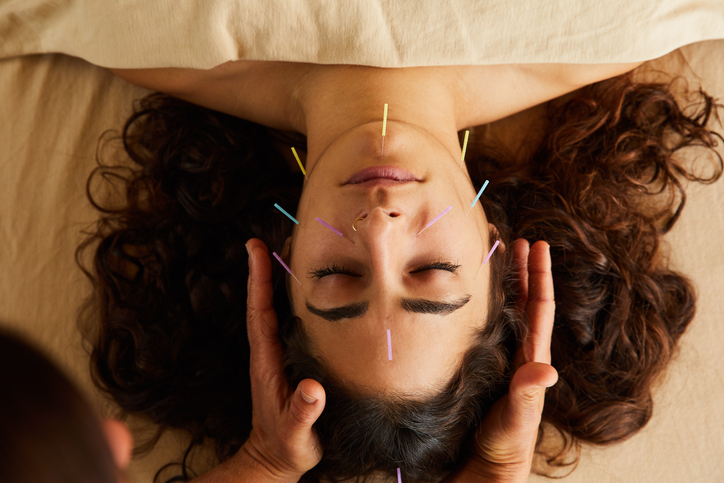


Acupuncture is a complementary treatment for chronic hives that targets itching, skin irritation, and overall symptom burden while standard medical care remains the primary treatment.
Hives can appear without warning, spread across the skin, disappear, and then return somewhere else. For people with recurring symptoms, the persistent itching and uncertainty can interfere with sleep, concentration, exercise, and everyday comfort.
Current research suggests that acupuncture can improve certain symptoms of chronic spontaneous urticaria, particularly itching and wheal activity. For people seeking additional symptom support, acupuncture treatment may be incorporated into a coordinated care plan alongside medical evaluation and physician-directed therapies. However, acupuncture is not a cure for hives, an alternative to antihistamines, or an emergency treatment for a serious allergic reaction.
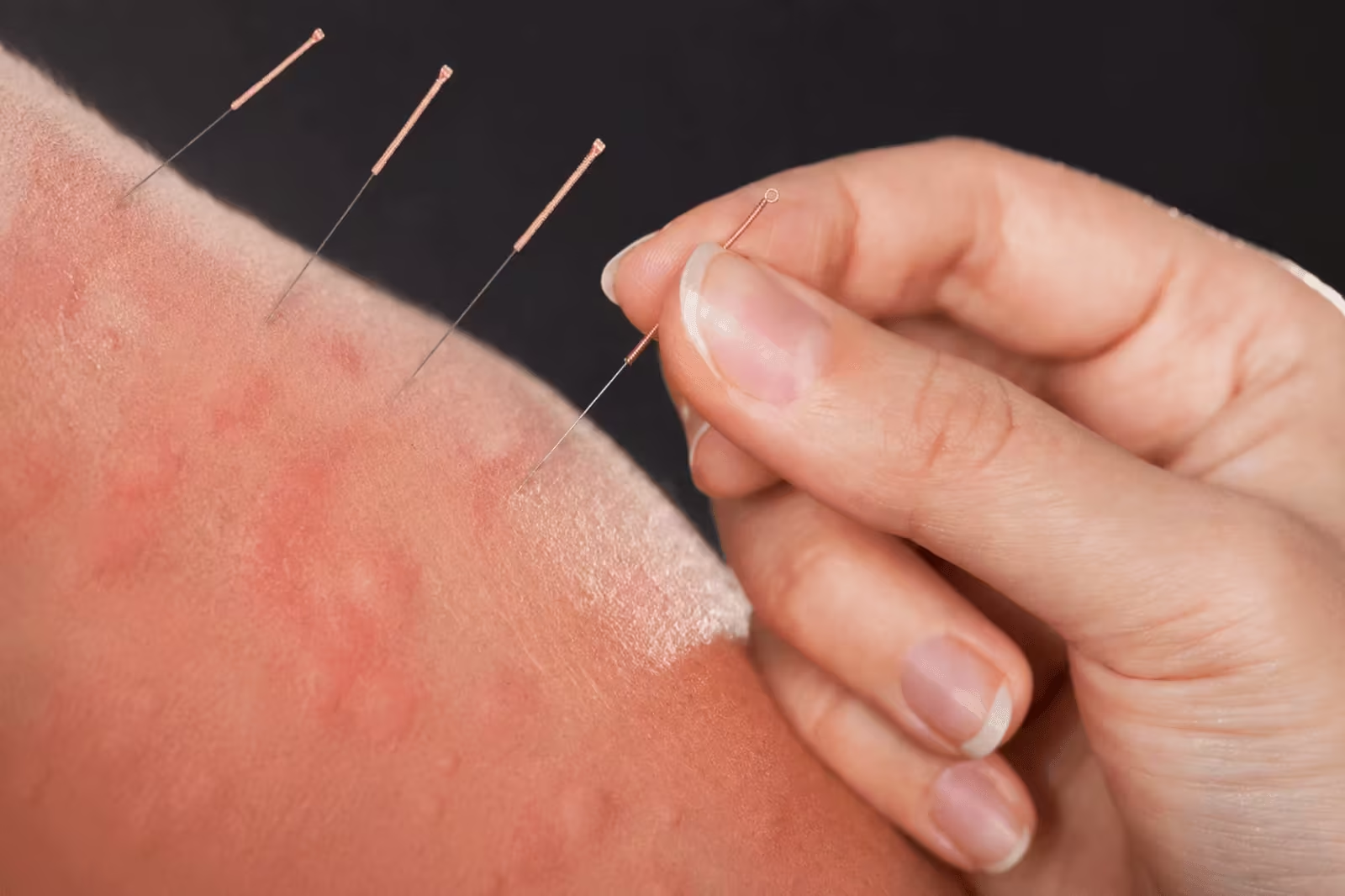
Acupuncture is a complementary treatment for chronic hives that targets itching, skin irritation, and overall symptom burden while standard medical care remains the primary treatment.
Hives can appear without warning, spread across the skin, disappear, and then return somewhere else. For people with recurring symptoms, the persistent itching and uncertainty can interfere with sleep, concentration, exercise, and everyday comfort.
Current research suggests that acupuncture can improve certain symptoms of chronic spontaneous urticaria, particularly itching and wheal activity. For people seeking additional symptom support, acupuncture treatment may be incorporated into a coordinated care plan alongside medical evaluation and physician-directed therapies. However, acupuncture is not a cure for hives, an alternative to antihistamines, or an emergency treatment for a serious allergic reaction.
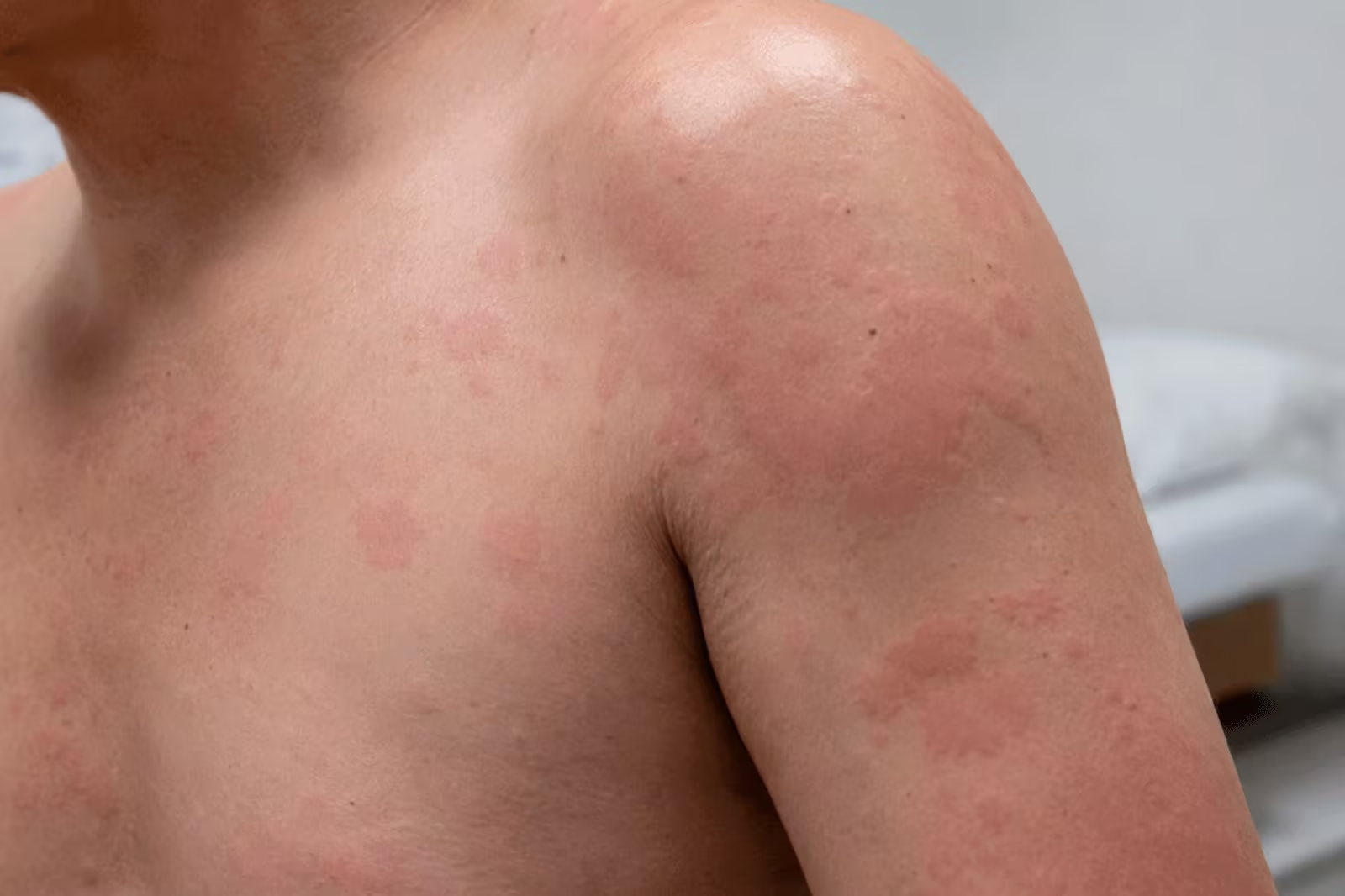
Hives, medically known as urticaria, are raised, swollen areas of skin that often itch, sting, or burn. A single raised area is called a wheal.
Wheals can be small and round or form larger, irregular patches. They may appear on any part of the body and often change shape or location throughout the day. Individual hives typically fade within 24 hours, although new ones may continue to develop.
Hives develop when mast cells in the skin release histamine and other inflammatory substances. Histamine causes small blood vessels to widen and become more permeable, allowing fluid to move into surrounding tissue. This process creates the raised swelling, redness, and itching associated with urticaria.
Some people also experience angioedema, which is deeper swelling beneath the skin. It frequently affects the lips, eyelids, hands, feet, or face. Swelling involving the throat can restrict breathing and requires immediate medical attention.
The duration and pattern of hives help determine how they should be evaluated and treated.
Acute urticaria lasts for less than six weeks. It may be associated with infections or certain allergy triggers, including:
An acute outbreak does not always mean that a person has developed a lasting allergy. Infections are a frequent cause of sudden hives, especially when no clear food or medication trigger can be identified.
Chronic spontaneous urticaria, or CSU, involves recurring hives, angioedema, or both for longer than six weeks without a consistent external trigger. The symptoms may occur daily or several times per week.
CSU is not usually caused by a single food, detergent, or environmental allergen. In many cases, internal immune activity contributes to inappropriate mast-cell activation. Autoimmune mechanisms may also be involved in some patients.
The 2026 international urticaria guideline continues to classify chronic urticaria as either spontaneous or inducible and supports an evidence-based, stepwise approach to treatment.
Chronic inducible urticaria occurs when a consistent physical stimulus produces hives. Possible triggers include:
Recognizing a reproducible physical trigger can help patients make practical changes while receiving appropriate medical care.
Acupuncture can provide additional symptom support for some people with chronic hives, particularly those experiencing persistent itching, disrupted sleep, or recurring flare-ups despite an established medical plan.
The strongest evidence concerns chronic spontaneous urticaria. Research has examined whether acupuncture can reduce the number of wheals, decrease itching, improve quality of life, and support greater disease control.
A multicenter randomized clinical trial studied 330 adults with CSU. Participants received acupuncture, sham acupuncture, or no immediate acupuncture. The active treatment group received 16 sessions over four weeks.
The acupuncture group experienced a greater reduction in weekly urticaria activity than the sham and waitlist groups. However, the difference did not reach the study’s predetermined threshold for a clearly important clinical improvement. Treatment-related side effects were generally mild and temporary.
This finding provides a balanced picture. Acupuncture produced a measurable treatment effect, but the average improvement was modest. It should therefore be presented as an adjunctive option rather than a proven cure.
More recent systematic reviews have also reported potential improvements in skin symptoms, itching, sleep, emotional well-being, and quality of life. The researchers nevertheless identified limitations such as small studies, inconsistent treatment protocols, short follow-up periods, and variation in research quality.
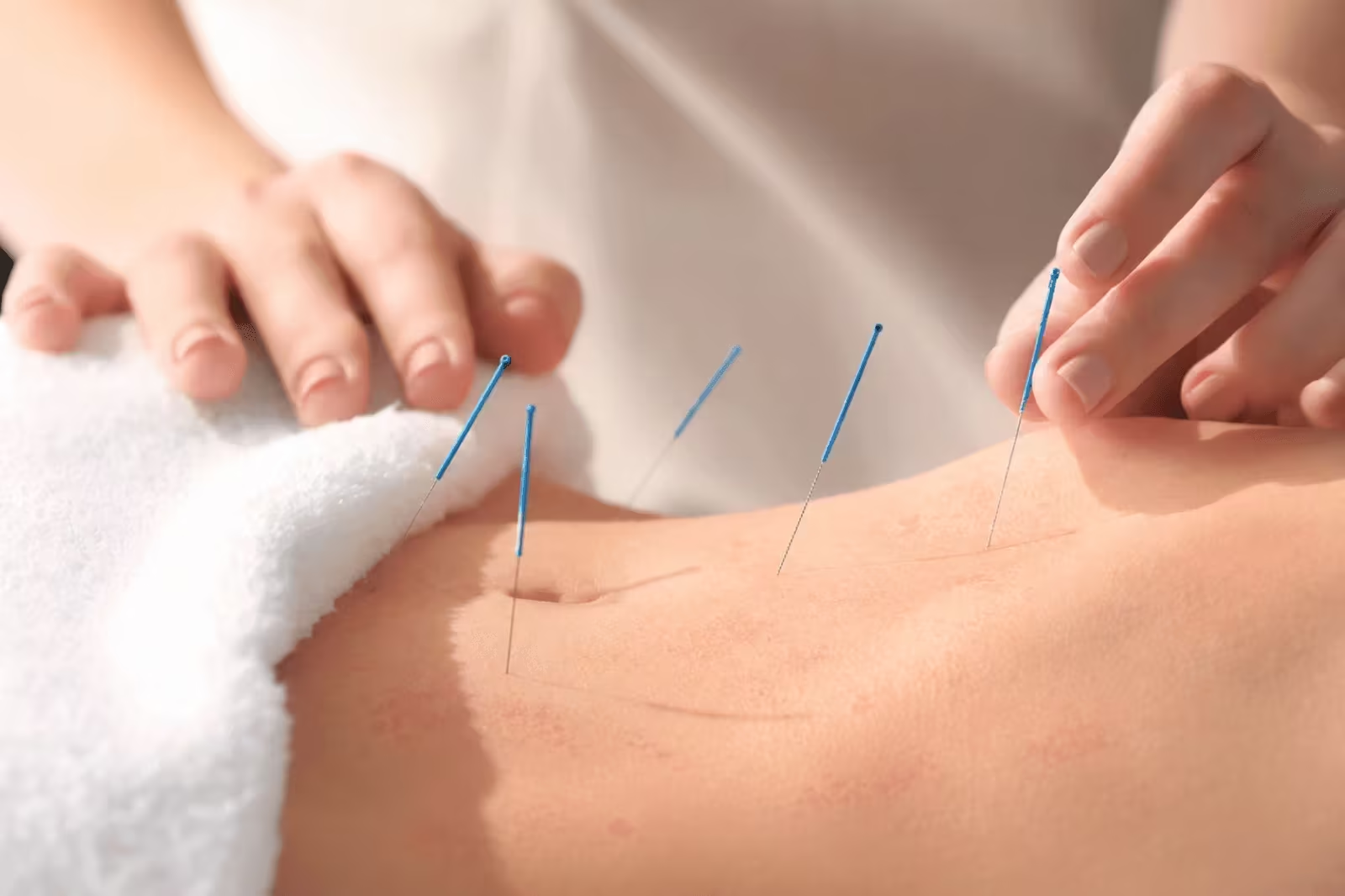
Acupuncture does not work like an antihistamine. Antihistamines block histamine receptors directly, while acupuncture provides controlled sensory stimulation that may influence nervous-system and immune activity.
Several overlapping mechanisms may help explain its effects.
Itching begins when chemical or physical signals activate sensory nerve endings in the skin. Those signals travel through the spinal cord to the brain, where they are interpreted as itch.
Acupuncture stimulates peripheral nerves and local tissues. This stimulation may influence how sensory signals are transmitted and processed, potentially reducing the intensity of itching or the urge to scratch.
The National Center for Complementary and Integrative Health notes that acupuncture can affect nervous-system function and local tissue responses, although its complete biological mechanisms remain under investigation.
The skin, immune system, and nervous system communicate continuously. Mast cells interact with sensory nerves, while stress-related signals can affect inflammation, symptom awareness, and scratching behavior.
Acupuncture may influence this communication by changing nerve activity and the release of signaling chemicals. These effects could help reduce the overall sensitivity of the itch response even when acupuncture does not eliminate the underlying condition.
Some clinical studies have reported changes in immunoglobulin E, commonly called IgE, and inflammatory cytokines following acupuncture treatment.
These findings suggest that acupuncture may influence immune regulation. They do not prove that acupuncture consistently lowers histamine, stabilizes mast cells, or corrects the cause of chronic urticaria in every patient.
Claims that acupuncture removes toxins, permanently resets the immune system, or cures allergies are not supported by current evidence.
The urge to scratch can create a self-reinforcing cycle:
By supporting relaxation, sensory regulation, and sleep quality, acupuncture may help reduce several parts of this cycle. A patient may notice less nighttime scratching or improved sleep before seeing a major change in the number of wheals.
Acupuncture should complement conventional hives treatment rather than replace it.
Current urticaria guidance supports second-generation H1 antihistamines as the initial medication treatment for chronic hives. These medications are generally preferred because they are less sedating than older antihistamines.
When standard doses do not control symptoms, a physician may adjust the dose or recommend additional therapies. Patients should not increase, combine, or stop medications without clinical guidance.
A coordinated treatment plan may include:
Acupuncturists should know which medications and supplements the patient uses. The prescribing clinician should also be informed that acupuncture is being added to the treatment plan.
Acupuncture may be reasonable for someone who:
Acupuncture may be less suitable when the rash has not been properly diagnosed. Eczema, contact dermatitis, insect bites, medication reactions, autoimmune conditions, and urticarial vasculitis can sometimes resemble ordinary hives.
Lesions that remain fixed in one location for more than 24 hours, cause significant pain or burning, or leave bruising should be medically assessed. These features can occur with urticarial vasculitis or another condition requiring different treatment.
The first appointment should include a detailed review of the symptom pattern rather than beginning immediately with needle placement.
The practitioner may ask about:
Photographs can be valuable because hives often fade before an appointment. A short symptom diary may also reveal patterns involving heat, exercise, pressure, alcohol, illness, medication, sleep, or emotional strain.
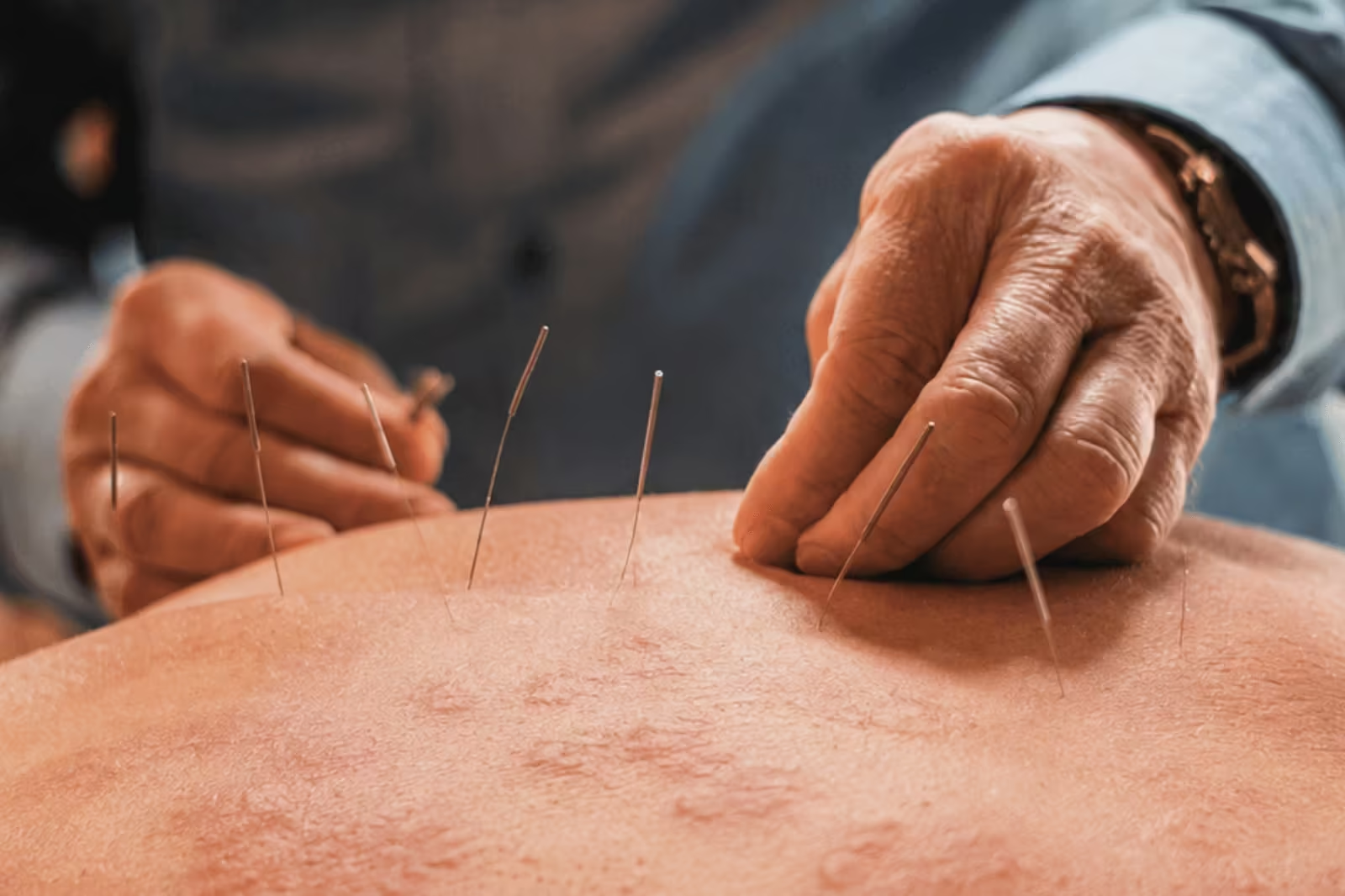
During treatment, thin, sterile needles are placed at selected points on the body. The points used vary according to the practitioner’s approach, the patient’s symptoms, and relevant medical history.
Needles do not need to be inserted into active welts. Severely irritated, infected, broken, or damaged skin should be avoided.
Common sensations include:
Treatment should not produce sharp, severe, or persistent pain.
There is no standard number of acupuncture sessions for hives.
Research protocols may involve several appointments per week over a limited period, but clinical care should be individualized. The schedule can depend on:
A defined trial period is usually more useful than committing to open-ended treatment. Progress should be reviewed after several sessions using clear measures.
Continued care makes the most sense when the patient experiences a meaningful and repeatable benefit.
Hives naturally improve and worsen. A single good day after an appointment does not establish that acupuncture is working.
Progress can be measured through:
The Urticaria Activity Score over seven days, or UAS7, is commonly used in chronic urticaria research and clinical care. It combines daily itch severity and wheal activity into a weekly score.
Beginning a symptom diary before the first acupuncture appointment creates a useful baseline. It also helps distinguish a consistent treatment response from ordinary fluctuations.
Acupuncture is generally considered safe when performed by a qualified practitioner using sterile, single-use needles.
Possible temporary side effects include:
Serious complications are uncommon but can include infection or tissue injury when treatment is delivered improperly. Proper training, clean-needle technique, and appropriate point selection reduce these risks.
Patients should inform the practitioner if they:
Acupuncture must never delay emergency treatment.
Call 911 when hives occur with:
These symptoms may indicate anaphylaxis or dangerous airway swelling. Emergency medication and immediate medical care are required.
People who have been prescribed epinephrine for a known severe allergy should follow their emergency action plan.
Simple measures may reduce irritation and prevent unnecessary aggravation during a flare.
Helpful strategies include:
Patients should avoid highly restrictive diets unless a physician or registered dietitian identifies a specific reason. Chronic spontaneous urticaria is rarely explained by a single food allergy, and unnecessary food elimination can create nutritional problems without controlling the condition.
Acupuncture may provide additional support for people dealing with recurring or chronic hives, especially when itching, poor sleep, skin irritation, and unpredictable flare-ups continue to affect daily life.
The current evidence is encouraging but not conclusive. Research suggests that acupuncture may improve certain chronic urticaria symptoms, although results vary and the overall benefit may be modest. The safest approach is to combine acupuncture with proper diagnosis, prescribed treatment, trigger management, and ongoing medical care.
At ACA Acupuncture & Wellness, we create individualized treatment plans based on each patient’s symptoms, flare patterns, medical history, current care plan, and personal goals. Schedule a consultation with us today to explore whether acupuncture may help reduce itching, calm recurring skin irritation, and support a more comprehensive hives management plan.
Sources:
Tong, Y., Jin, R., Yu, Y., Xia, S., Wu, Z., & Su, X. (2026). Efficacy and safety of acupuncture for chronic spontaneous urticaria: A systematic review and meta-analysis. Frontiers in Medicine, 12, Article 1648375.
Zheng, H., Xiao, X.-J., Shi, Y.-Z., Zhang, L.-X., Cao, W., Zheng, Q.-H., Zhong, F., Hao, P.-S., Huang, Y., Chen, M.-L., Zhang, W., Zhou, S.-Y., Wang, Y.-J., Wang, C., Zhou, L., Chen, X.-Q., Yang, Z.-Q., Zou, Z.-H., Zhao, L., . . . Li, Y. (2023). Efficacy of acupuncture for chronic spontaneous urticaria: A randomized controlled trial. Annals of Internal Medicine, 176(12), 1617–1624.
Zuberbier, T., Abdul Hameed Ansari, Z., Abdul Latiff, A. H., Abuzakouk, M. M., Agcaoili-De Jesus, M. S., Agondi, R. C., Al-Ahmad, M., Alangari, A. A., Alhameli, H., Alonso Bello, C. D., Alshareef, S., Al-Tamemi, S., Altrichter, S., Al Wahshi, H., Aquilina, S., Araújo, M., Arnaout, R., Asero, R., Ballmer-Weber, B., . . . Giménez-Arnau, A. M. (2026). The international guideline for the definition, classification, diagnosis and management of urticaria. Allergy. Advance online publication.
Acupuncture cannot guarantee that hives will disappear permanently. Research suggests that it may reduce itching, wheal activity, and overall symptom burden in some people with chronic spontaneous urticaria. It should be used alongside medical evaluation and prescribed treatment rather than as a replacement for antihistamines or specialist care.
Acupuncture does not cure every cause of itchy skin. Itching can result from hives, eczema, allergies, medication reactions, infections, nerve disorders, or underlying medical conditions. Acupuncture may help reduce itch intensity in selected cases, but persistent or unexplained itching should first be evaluated to identify and treat its cause.
There is no standard response time. Some patients may notice changes in itching, sleep, or skin sensitivity during the first several appointments, while others may require a longer treatment trial. Progress should be assessed over several weeks by tracking itch severity, wheal activity, flare frequency, sleep disruption, and medication use.
Acupuncture can generally be used alongside antihistamines and other physician-directed treatments. Patients should continue taking medications as prescribed and inform their acupuncturist about all prescription drugs, over-the-counter products, and supplements. Medication doses should only be changed under the guidance of the prescribing healthcare professional.
Acupuncture may be performed during a stable hive outbreak when breathing problems, throat swelling, and other emergency symptoms are absent. Needles can be placed away from active welts, broken skin, or severely irritated areas. When performed by a qualified practitioner using sterile, single-use needles, acupuncture is generally considered safe, although temporary soreness, bruising, or minor bleeding can occur.
Hives require emergency medical care when they occur with difficulty breathing, wheezing, throat tightness, tongue swelling, trouble swallowing, fainting, severe dizziness, or rapidly worsening symptoms. These signs may indicate anaphylaxis or dangerous airway swelling. Acupuncture should never delay epinephrine use or emergency treatment.
LOCATIONS
MANHATTAN
QUEENS
NEW JERSEY
CALIFORNIA

The over $4 billion US acupuncture market offers a great opportunity with over 10% annual growth rates and a continuing flow of new patients interested in the benefits of acupuncture.