

Post-traumatic stress disorder (PTSD) can affect far more than memories. Trauma often reshapes the nervous system, altering sleep, emotional regulation, digestion, pain perception, and the body’s ability to feel safe. While psychotherapy and medication remain important treatment options, many people search for complementary therapies that help regulate the physical symptoms of trauma in a gentle, non-verbal way. Acupuncture has gained growing attention for its potential to support nervous system balance and help people feel calmer, more grounded, and physically supported during recovery.
In Traditional Chinese Medicine (TCM), emotional experiences are not viewed as separate from physical health. Chronic stress, unresolved fear, grief, emotional shock, and nervous system dysregulation may influence circulation, sleep, digestion, and energy balance throughout the body. Acupuncture for PTSD focuses on helping calm hyperarousal, reduce physical tension, improve sleep quality, and support emotional resilience by addressing how trauma affects both the body and mind.

Post-traumatic stress disorder (PTSD) can affect far more than memories. Trauma often reshapes the nervous system, altering sleep, emotional regulation, digestion, pain perception, and the body’s ability to feel safe. While psychotherapy and medication remain important treatment options, many people search for complementary therapies that help regulate the physical symptoms of trauma in a gentle, non-verbal way. Acupuncture has gained growing attention for its potential to support nervous system balance and help people feel calmer, more grounded, and physically supported during recovery.
In Traditional Chinese Medicine (TCM), emotional experiences are not viewed as separate from physical health. Chronic stress, unresolved fear, grief, emotional shock, and nervous system dysregulation may influence circulation, sleep, digestion, and energy balance throughout the body. Acupuncture for PTSD focuses on helping calm hyperarousal, reduce physical tension, improve sleep quality, and support emotional resilience by addressing how trauma affects both the body and mind.
Post-traumatic stress disorder is a mental health condition that may develop after experiencing or witnessing a traumatic event. Trauma may involve military combat, abuse, accidents, violence, natural disasters, medical trauma, grief, or prolonged emotional distress.
PTSD is not simply about remembering a difficult event. Trauma can change how the nervous system responds to stress, making the body remain in a heightened survival state long after danger has passed.
Symptoms may include:
Many individuals living with PTSD describe feeling as if their body no longer feels safe or settled, even in calm environments.
Trauma affects the body neurologically, emotionally, and physically.
When a threatening event occurs, the body activates the sympathetic nervous system, commonly known as the “fight-or-flight” response. Stress hormones such as cortisol and adrenaline increase to help protect survival.
For some people, the nervous system struggles to fully return to a regulated baseline after trauma.
Instead of cycling naturally between activation and rest, the body may remain stuck in patterns of:
The nervous system stays highly activated. People may feel jumpy, restless, anxious, easily startled, or constantly alert.
Some individuals experience shutdown responses instead, including emotional numbness, fatigue, brain fog, or dissociation.
Others fluctuate between both states, feeling overwhelmed one moment and emotionally disconnected the next.
This nervous system imbalance explains why PTSD often presents with physical symptoms alongside emotional symptoms.
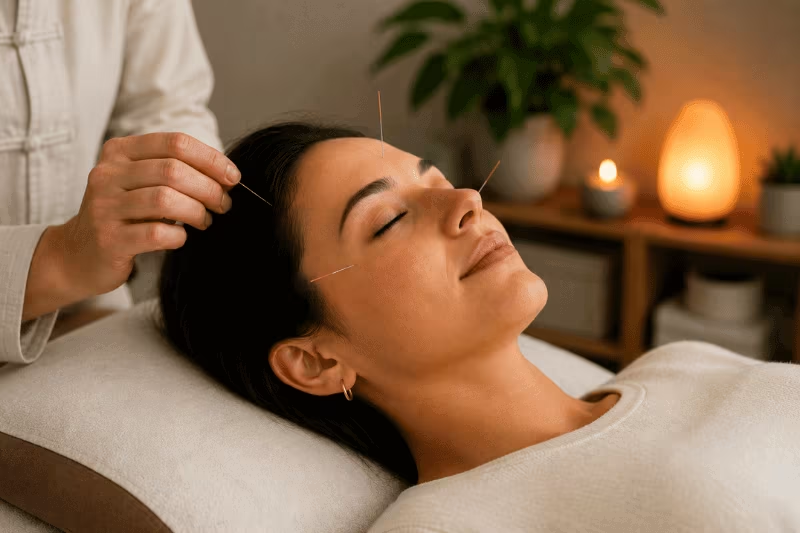
Acupuncture may help support PTSD recovery by targeting the body’s physiological response to stress.
Rather than requiring verbal processing of trauma, acupuncture works through a somatic approach. Somatic therapies focus on helping the body release tension and regulate nervous system patterns stored physically.
This may be especially helpful for individuals who feel emotionally overwhelmed, struggle with traditional talk therapy, or experience trauma through bodily symptoms such as:
Acupuncture is not considered a replacement for trauma-informed therapy or medical care. Instead, it may function as a complementary approach that supports overall healing.
One of the most discussed benefits of acupuncture for PTSD is nervous system regulation.
Research suggests acupuncture may help shift the body away from chronic sympathetic dominance and encourage parasympathetic nervous system activity, often called the “rest and digest” state.
When the parasympathetic nervous system becomes more active, people may experience:
Many patients describe feeling deeply relaxed after treatment.
For individuals experiencing chronic hypervigilance, even short moments of nervous system quiet can feel meaningful.
PTSD frequently involves hyperarousal, where the brain remains in a protective state.
This may present as:
Acupuncture may help calm the central nervous system and reduce excessive activation.
Some studies suggest acupuncture influences brain regions associated with fear, emotional processing, and stress regulation.
By helping calm overactivity, acupuncture may contribute to emotional steadiness over time.
Sleep problems are among the most common symptoms of PTSD.
People may struggle with:
Poor sleep can worsen anxiety, concentration, mood, and emotional resilience.
Acupuncture may help support sleep by influencing neurotransmitters associated with relaxation and circadian rhythm regulation.
Many patients report improved sleep quality after consistent sessions, even when insomnia has been persistent.
Trauma is often stored physically in the body.
People with PTSD commonly experience:
Acupuncture may help ease muscular tension, improve circulation, and encourage relaxation throughout the body.
Because PTSD is often physically exhausting, addressing somatic symptoms may help individuals feel more grounded.
Acupuncture may stimulate the release of naturally occurring chemicals associated with well-being, including endorphins and serotonin-related pathways.
This may contribute to:
Although acupuncture is not designed to suppress emotions, some individuals report feeling calmer and emotionally lighter after treatment.
Modern neuroscience increasingly explores how acupuncture may influence the brain and nervous system.
Research suggests acupuncture may support PTSD recovery through several mechanisms.
The autonomic nervous system controls involuntary body functions, including heart rate, stress response, and digestion.
Acupuncture may help restore balance between:
This balancing effect may reduce chronic physiological stress.
The limbic system plays a major role in emotional processing and fear responses.
Some imaging studies suggest acupuncture may help reduce overactivation in emotional centers associated with fear, anxiety, and heightened stress responses.
This may help lessen feelings of overwhelm and emotional reactivity.
Acupuncture may influence neurotransmitters involved in mood and emotional balance, including:
These neurochemical changes may contribute to relaxation and emotional steadiness.
Some studies suggest acupuncture may influence cortisol regulation.
Chronically elevated cortisol can contribute to anxiety, poor sleep, fatigue, and emotional dysregulation.
Supporting hormonal balance may help the body recover from prolonged stress exposure.

Traditional Chinese Medicine understands trauma differently than Western medicine.
Rather than focusing solely on diagnosis, TCM looks at patterns of imbalance affecting the whole person.
Trauma may disrupt the flow of Qi (energy), Blood circulation, and emotional balance.
Different PTSD symptoms may correspond to different TCM patterns.
In TCM, the Heart houses the Shen, often translated as spirit or consciousness.
Symptoms may include:
Emotional stress may interfere with smooth emotional regulation.
Symptoms may include:
Chronic fear and long-term stress may weaken Kidney energy.
Symptoms may include:
Trauma may also affect digestion and energy production.
Symptoms may include:
Because symptoms vary widely, acupuncture treatments are typically personalized rather than standardized.
For many trauma survivors, feeling safe is essential.
A trauma-informed acupuncture experience typically prioritizes comfort, pacing, and communication.
During a session:
Many people feel:
Some individuals feel emotional release during treatment, while others simply notice physical relaxation.
Sessions are generally quiet and gentle.
Response varies from person to person.
Factors that may influence progress include:
Some individuals notice subtle changes after only a few sessions, such as:
More noticeable baseline changes often develop gradually, commonly over 6 to 10 sessions.
Consistency usually matters more than intensity.
PTSD recovery often benefits from multiple forms of support.
Acupuncture is commonly combined with:
Traditional Chinese Medicine may also incorporate supportive therapies such as:
Personalized herbal formulas may help support sleep, emotional balance, and nervous system recovery.
Moxibustion uses therapeutic heat to support circulation and relaxation.
Cupping therapy may help relieve muscle tension and physical stress patterns often associated with trauma.
Treatment recommendations vary based on the individual.
Acupuncture may be worth considering for individuals who experience:
Some people pursue acupuncture when they want additional support alongside conventional care.
Others seek it because they prefer a body-based approach that does not rely entirely on verbal processing.
Acupuncture is generally considered safe when performed by a licensed professional using sterile needles.
However, PTSD treatment should remain individualized.
Acupuncture is not intended to replace emergency mental health care, crisis support, or medical treatment.
People experiencing severe symptoms, suicidal thoughts, or acute mental health crises should seek immediate professional support.
For best outcomes, acupuncture is often integrated into a broader care plan.

PTSD recovery is rarely linear, and healing often involves more than addressing memories alone. Trauma can affect the body’s sense of safety, sleep patterns, muscle tension, digestion, and emotional regulation. Supporting recovery may involve helping the nervous system feel calmer, steadier, and less reactive over time.
Acupuncture offers a gentle, body-centered approach that may help regulate the stress response while supporting emotional and physical well-being. For some individuals, treatment becomes an important tool for creating moments of calm and grounding throughout the healing process.
At ACA Acupuncture and Wellness, our treatment plans may include acupuncture alongside complementary Traditional Chinese Medicine approaches such as herbal medicine, cupping therapy, and moxibustion to support nervous system balance and overall recovery.
Sources:
Hollifield, M. (2011). Acupuncture for posttraumatic stress disorder: Conceptual, clinical, and biological data support further research. CNS Neuroscience & Therapeutics, 17(6), 769–779.
Acupuncture is not considered a cure for PTSD. It may help support symptom management by calming the nervous system, improving sleep, reducing physical stress, and supporting emotional regulation.
Some people notice relaxation after one session, while others experience gradual changes over several weeks. More noticeable improvements commonly develop after consistent treatment.
Some individuals report fewer nightmares and better sleep quality with regular acupuncture, especially when sleep disruption is linked to nervous system hyperarousal.
Acupuncture may help regulate the body’s stress response and support emotional calm, which some individuals find helpful for trauma-related anxiety symptoms.
Acupuncture can often be adapted for sensitive nervous systems, but trauma-informed care matters. Communication and comfort should always be prioritized.
Acupuncture is usually considered complementary rather than a replacement for therapy. Many people benefit from combining acupuncture with counseling or other trauma-informed approaches.
LOCATIONS
MANHATTAN
QUEENS
NEW JERSEY
CALIFORNIA

The over $4 billion US acupuncture market offers a great opportunity with over 10% annual growth rates and a continuing flow of new patients interested in the benefits of acupuncture.
