

Chinese medicine supports headaches and migraines by identifying the pattern behind the pain and using herbal medicine, bodywork, acupuncture, and lifestyle guidance to reduce recurring triggers, tension, and symptom intensity.
Headaches and migraines can affect work, sleep, focus, mood, digestion, and quality of life. For some people, pain appears after stress, poor sleep, long screen time, skipped meals, or neck tension. For others, migraines follow hormonal changes, weather shifts, certain foods, alcohol, strong scents, or digestive upset.
Traditional Chinese Medicine, often called TCM, looks at headaches through a whole-person lens. Instead of treating every headache the same way, it considers the location of the pain, the quality of the pain, the timing of symptoms, the person’s constitution, and the patterns that may be making the condition more likely to return.
This approach may include Chinese herbal medicine, cupping, gua sha, ear seeding, Tui Na massage, acupuncture, food therapy, and lifestyle guidance. The goal is not only to calm the current headache, but also to support the underlying pattern that may be contributing to repeat episodes.
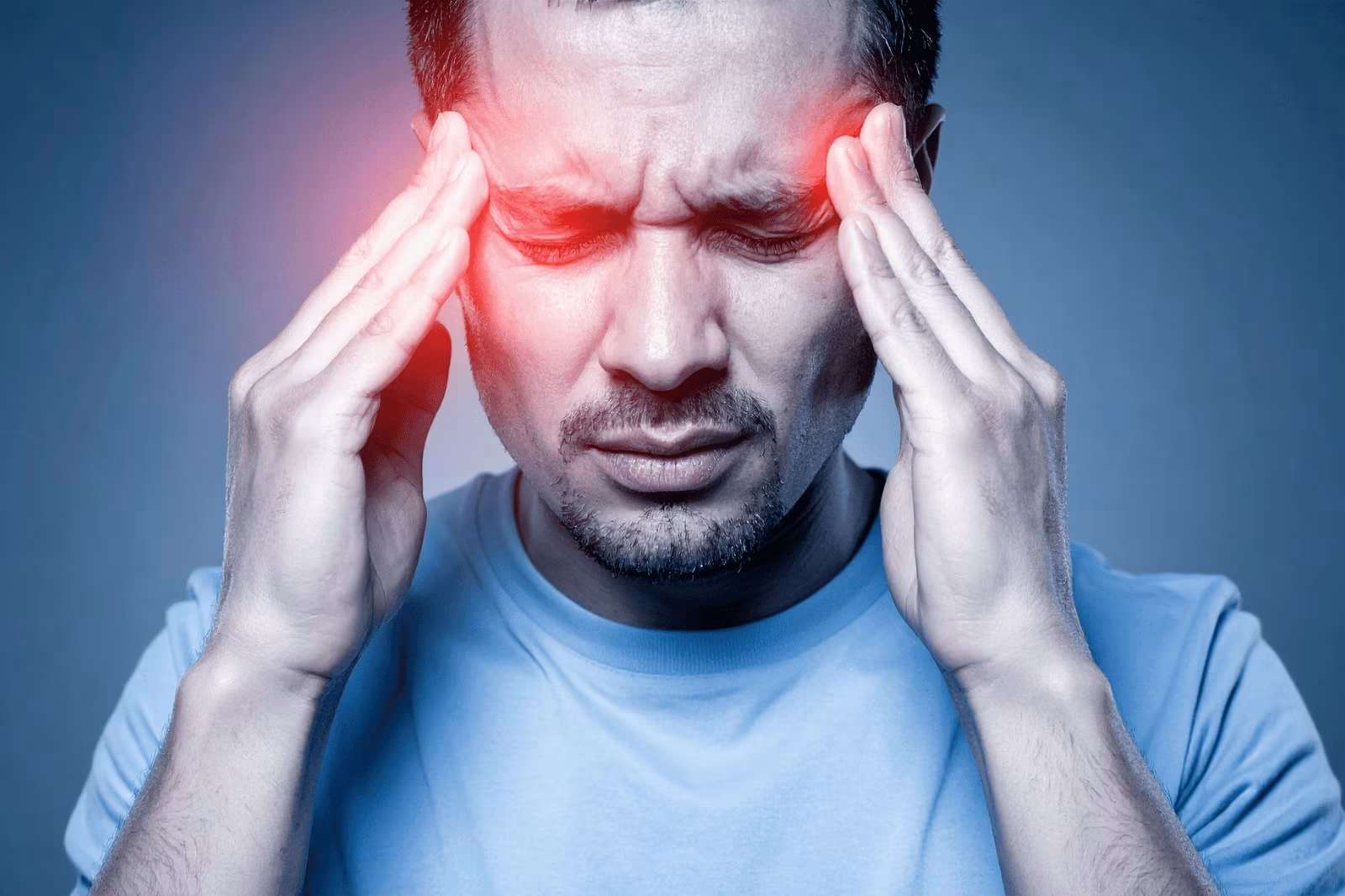
Chinese medicine supports headaches and migraines by identifying the pattern behind the pain and using herbal medicine, bodywork, acupuncture, and lifestyle guidance to reduce recurring triggers, tension, and symptom intensity.
Headaches and migraines can affect work, sleep, focus, mood, digestion, and quality of life. For some people, pain appears after stress, poor sleep, long screen time, skipped meals, or neck tension. For others, migraines follow hormonal changes, weather shifts, certain foods, alcohol, strong scents, or digestive upset.
Traditional Chinese Medicine, often called TCM, looks at headaches through a whole-person lens. Instead of treating every headache the same way, it considers the location of the pain, the quality of the pain, the timing of symptoms, the person’s constitution, and the patterns that may be making the condition more likely to return.
This approach may include Chinese herbal medicine, cupping, gua sha, ear seeding, Tui Na massage, acupuncture, food therapy, and lifestyle guidance. The goal is not only to calm the current headache, but also to support the underlying pattern that may be contributing to repeat episodes.
In Chinese medicine, headaches and migraines are assessed by pain location, pain quality, triggers, timing, accompanying symptoms, and the person’s overall pattern of imbalance.
From a conventional medical perspective, migraine is a neurological condition. It may involve head pain, nausea, vomiting, light sensitivity, sound sensitivity, visual aura, dizziness, fatigue, brain fog, and post-attack exhaustion. A migraine is not simply a more painful headache. It can involve changes in the nervous system, blood vessels, sensory processing, and inflammatory activity.
Chinese medicine uses a different clinical language. It may describe headache patterns through Qi movement, Blood circulation, meridian pathways, internal organ systems, external Wind, Phlegm-Damp accumulation, deficiency, stagnation, or heat. These terms are traditional diagnostic frameworks. They do not replace medical diagnoses, but they help guide an individualized care plan.
A TCM practitioner may ask:
This pattern-based approach helps explain why two people with migraines may receive different acupuncture points, herbal formulas, bodywork recommendations, and self-care guidance.
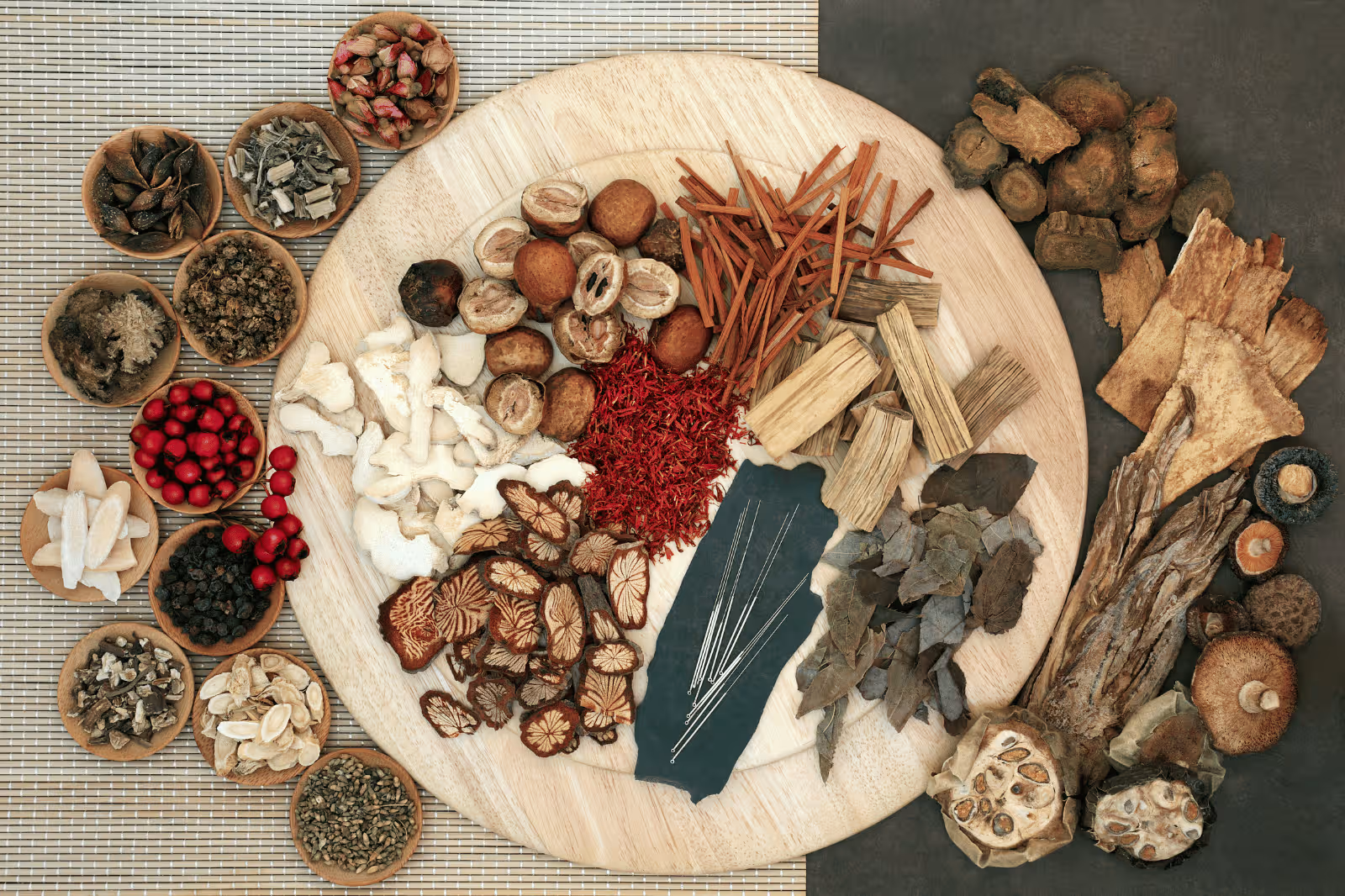
Chinese herbal medicine for headaches and migraines is formula-based and pattern-specific, which means herbs are selected according to the person’s presentation rather than the diagnosis alone.
Chinese herbs are usually used in formulas, not as single isolated ingredients. A formula may include herbs that guide the treatment to the head, move Qi, move Blood, calm Liver Yang, transform Phlegm, clear heat, release external Wind, or nourish deficiency.
Commonly discussed herbs and formulas include:
Chuan Xiong, or Ligusticum chuanxiong, is one of the most recognized herbs in traditional headache formulas. It is commonly associated with moving Qi and Blood and guiding treatment to the head.
Tian Ma and Gou Teng are often paired in formulas used for patterns involving Liver Yang rising or internal Wind. These patterns may include throbbing headache, dizziness, tension, irritability, or upward pressure.
Bai Zhi is traditionally associated with frontal headaches, sinus-area discomfort, and pain involving the forehead or face.
Ju Hua, or chrysanthemum flower, is often used in patterns involving the eyes, heat signs, or Liver-related headache presentations.
Yan Hu Suo is traditionally used for pain patterns, especially when Qi and Blood stagnation are involved. It should be used only with professional guidance because it may not be appropriate for everyone.
Chuan Xiong Cha Tiao San is a classic formula often discussed for headaches associated with external Wind patterns. It is not the right fit for every migraine presentation.
Tian Ma Gou Teng Yin is traditionally used for patterns involving Liver Yang rising, internal Wind, dizziness, and upward-moving symptoms.
Herbal medicine should be used carefully. Herbs may interact with medications and may not be appropriate for people who are pregnant, breastfeeding, taking blood thinners, preparing for surgery, managing liver or kidney disease, or using multiple prescriptions. A qualified practitioner should review medications, health history, and safety considerations before recommending herbs.
Chinese medicine treats the headache as the visible symptom and the underlying pattern as the reason the symptom may keep returning.
In TCM, symptoms are often described as the “branch,” while the deeper imbalance is described as the “root.” The branch is what the person feels right now, such as pain, pressure, throbbing, nausea, or tightness. The root is the pattern that may make the person more prone to recurring headaches.
For example, one person may have stress-related temple headaches with tight shoulders, irritability, and PMS symptoms. Another may have heavy headaches with nausea, fatigue, brain fog, and poor appetite. Both may use the word “migraine,” but the TCM assessment may point to different patterns.
This is one of the main differences between a generic headache remedy and a Chinese medicine approach. The goal is to understand what is feeding the pain pattern, then choose care strategies that fit the person rather than the diagnosis alone.
The most common TCM patterns associated with headaches and migraines include Liver Yang rising, Liver Qi stagnation, Blood stasis, Phlegm-Damp retention, Qi and Blood deficiency, external Wind, and Yin deficiency.
Liver Yang rising is often associated with intense, upward-moving, throbbing headaches. Pain may appear at the temples, behind the eyes, on one side of the head, or near the top of the head. It may come with dizziness, irritability, red eyes, facial heat, poor sleep, or sensitivity to stress.
This pattern is often considered when migraines flare with emotional tension, overwork, bright light, poor sleep, or pressure buildup.
Liver Qi stagnation is commonly linked with stress-related headaches, tight shoulders, jaw tension, mood changes, sighing, and headaches that worsen when emotions are suppressed. Some people also notice headaches before or during menstruation.
The pain may feel tight, distending, or band-like. It may move around rather than staying fixed in one place.
Blood stasis may be considered when headache pain is fixed, sharp, stabbing, or recurring in the same location. The person may describe the pain as piercing, deep, or lodged in one area. This pattern may appear after injury, long-term muscle tension, chronic migraine, or repeated headaches that do not shift easily.
In TCM, Blood-moving strategies may be considered when appropriate. Herbal approaches in this category require careful screening, especially for people taking blood thinners, preparing for surgery, pregnant patients, or those with bleeding disorders.
Phlegm-Damp headaches often feel heavy, foggy, thick, or clouded. A person may describe pressure around the head, nausea, fatigue, dizziness, poor appetite, or a sensation of being weighed down.
This pattern may be considered when headaches come with digestive symptoms, morning heaviness, sinus-like pressure, or brain fog. Care may focus on supporting digestion, transforming Dampness, and improving fluid metabolism.
Deficiency-type headaches often feel dull rather than sharp or intense. They may worsen after exertion, long workdays, illness, poor nutrition, blood loss, or lack of sleep. A person may also experience fatigue, lightheadedness, pale complexion, shortness of breath, or poor concentration.
This pattern is usually approached with more support and nourishment, rather than strong dispersing methods alone.
External Wind patterns are more common with acute headaches linked to weather exposure, seasonal illness, chills, feverish feelings, neck stiffness, or sinus pressure.
Wind-Cold headaches may feel tight and may improve with warmth. Wind-Heat headaches may come with sore throat, thirst, heat signs, or a more inflamed sensation.
Yin deficiency patterns may appear in chronic headaches with heat sensations, night sweats, dry mouth, tinnitus, poor sleep, restlessness, or headaches that worsen with exhaustion.
This pattern often requires a gentler, nourishing strategy that supports restoration rather than overstimulation.
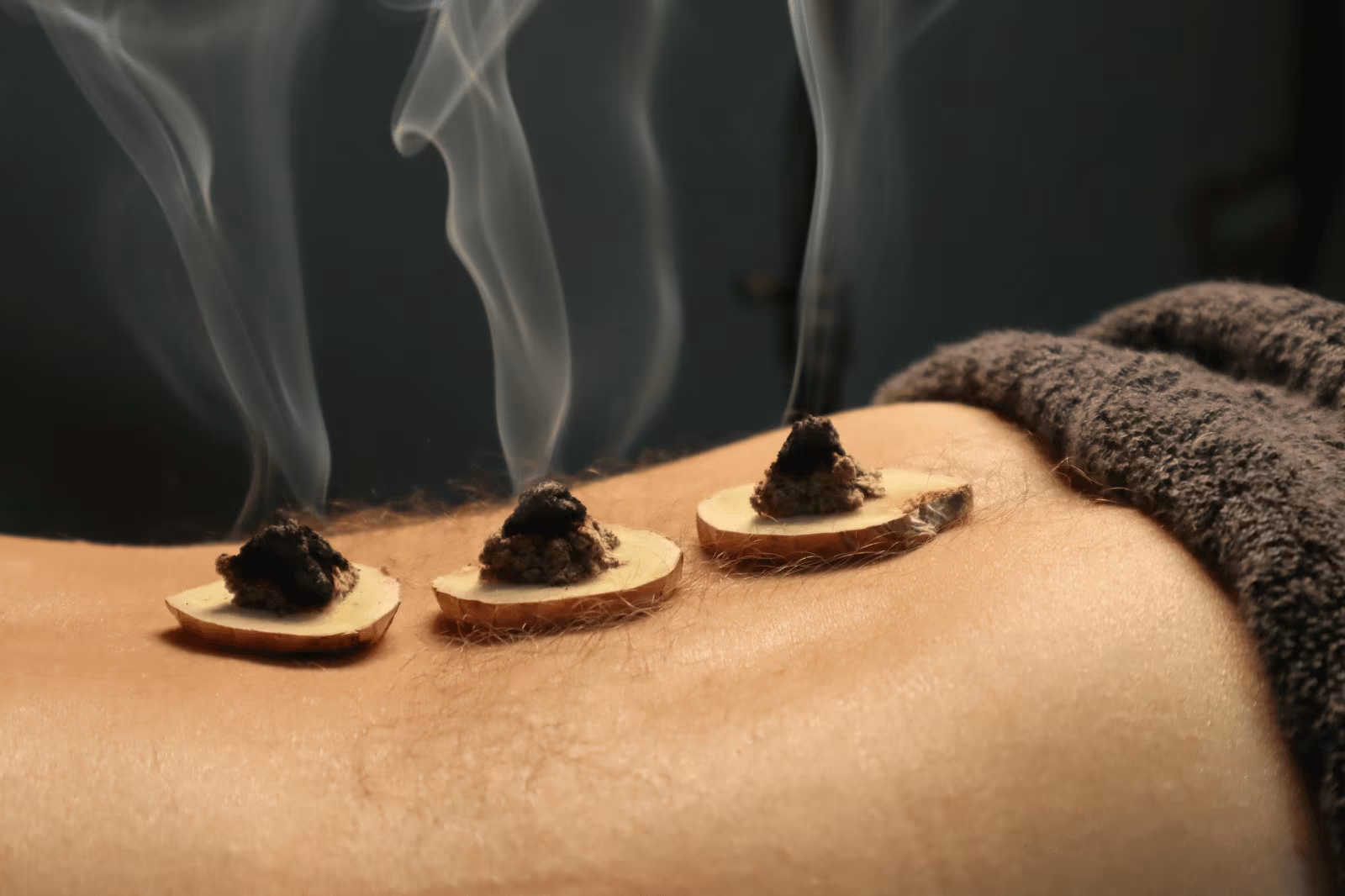
TCM headache care may include herbs, cupping, gua sha, ear seeding, Tui Na, moxibustion, acupuncture, food therapy, and lifestyle guidance.
Cupping may be used when headaches are connected to neck, shoulder, or upper back tension. It is often applied to the trapezius, upper back, and surrounding muscle areas rather than directly over the painful part of the head.
For people whose headaches begin at the base of the skull or worsen after long hours at a desk, cupping may help release muscular tightness and improve local circulation.
Gua sha may support soft tissue release in the neck, shoulders, scalp line, and upper back. It may be considered for tension-type headaches, posture-related tightness, or headaches that start in the neck.
Ear seeding uses small seeds or beads placed on specific points of the ear. Patients may gently press these points between visits. Ear seeding may be used as a supportive tool for stress regulation, headache awareness, and symptom management.
This is different from daith piercing, which is not the same as clinical auricular therapy and has limited evidence for migraine relief.
Tui Na is a form of Chinese therapeutic bodywork. For headache patterns, it may focus on the neck, scalp, shoulders, jaw, and upper back.
Moxibustion uses heat from burning moxa near selected points. It is not used for every headache type. It may be considered in cold or deficiency patterns, but it is generally not appropriate when heat signs are strong.
TCM food therapy may focus on regular meals, warm cooked foods, hydration, digestion, and avoiding known triggers. The goal is to support the person’s pattern rather than follow a one-size-fits-all migraine diet.
Headache location helps Chinese medicine practitioners identify which meridian pathways and internal patterns may be involved.
Temple headaches are often associated with the Shaoyang channel, Liver and Gallbladder patterns, stress, jaw tension, or hormonal fluctuation.
Forehead headaches may relate to the Yangming channel, digestion, sinus pressure, eye strain, or Damp patterns.
Pain behind the eyes may be associated with Liver patterns, eye strain, migraine, or tension affecting the forehead and temples.
Occipital headaches often involve the Taiyang channel, neck tension, posture, external Wind patterns, or cervical muscle tightness.
Vertex headaches are often associated with Liver channel patterns in TCM. They may also appear with deficiency, stress, or long-term internal imbalance.
One-sided migraines are often evaluated through Shaoyang, Liver, Gallbladder, Blood stasis, or internal Wind patterns.
A heavy whole-head sensation may point toward Dampness, Phlegm-Damp, fatigue, sinus congestion, or digestive weakness.
Chinese medicine evaluates headache triggers because recurring triggers often reveal the pattern behind the pain.
Common triggers may include:
A headache diary can be helpful. Track the date, time, pain location, severity, food intake, hydration, sleep, stress, menstrual cycle timing, weather changes, medication use, and recovery time. After several weeks, patterns may become easier to identify.
A sudden, severe, unusual, or neurologically concerning headache should be evaluated by a medical professional immediately.
Seek urgent medical care if a headache is:
Chinese medicine can be supportive, but it should not delay emergency care, neurological evaluation, imaging, or prescribed medical treatment when those are needed.
A TCM visit for headaches or migraines usually begins with a detailed review of your symptoms, health history, and recurring patterns. Your practitioner will look at the type of pain you experience, where it appears, how often it happens, what seems to trigger it, and what other symptoms come with it.
Chinese medicine looks closely at patterns such as Liver Yang rising, Liver Qi stagnation, Blood stasis, Phlegm-Damp retention, Qi and Blood deficiency, and Yin deficiency. These patterns help guide the care plan, including whether Chinese herbal medicine may be appropriate and which formula direction best fits your symptoms.
Your practitioner may ask about migraine frequency, medications, sleep, digestion, stress levels, menstrual cycle changes, neck tension, visual symptoms, nausea, weather sensitivity, appetite, energy, and known triggers. Tongue and pulse observations may also be used as part of the traditional assessment.
From there, your care plan may include Chinese herbal medicine when appropriate, along with food therapy, lifestyle guidance, cupping, gua sha, ear seeding, Tui Na massage, and acupuncture if it fits your pattern. The goal is to understand both the immediate discomfort and the deeper imbalance that may be making headaches or migraines more likely to return.
You may also be asked to track symptoms between visits. This can help your practitioner see whether headaches are becoming less frequent, less intense, shorter in duration, or easier to recover from, and whether the herbal or lifestyle strategy needs to be adjusted.
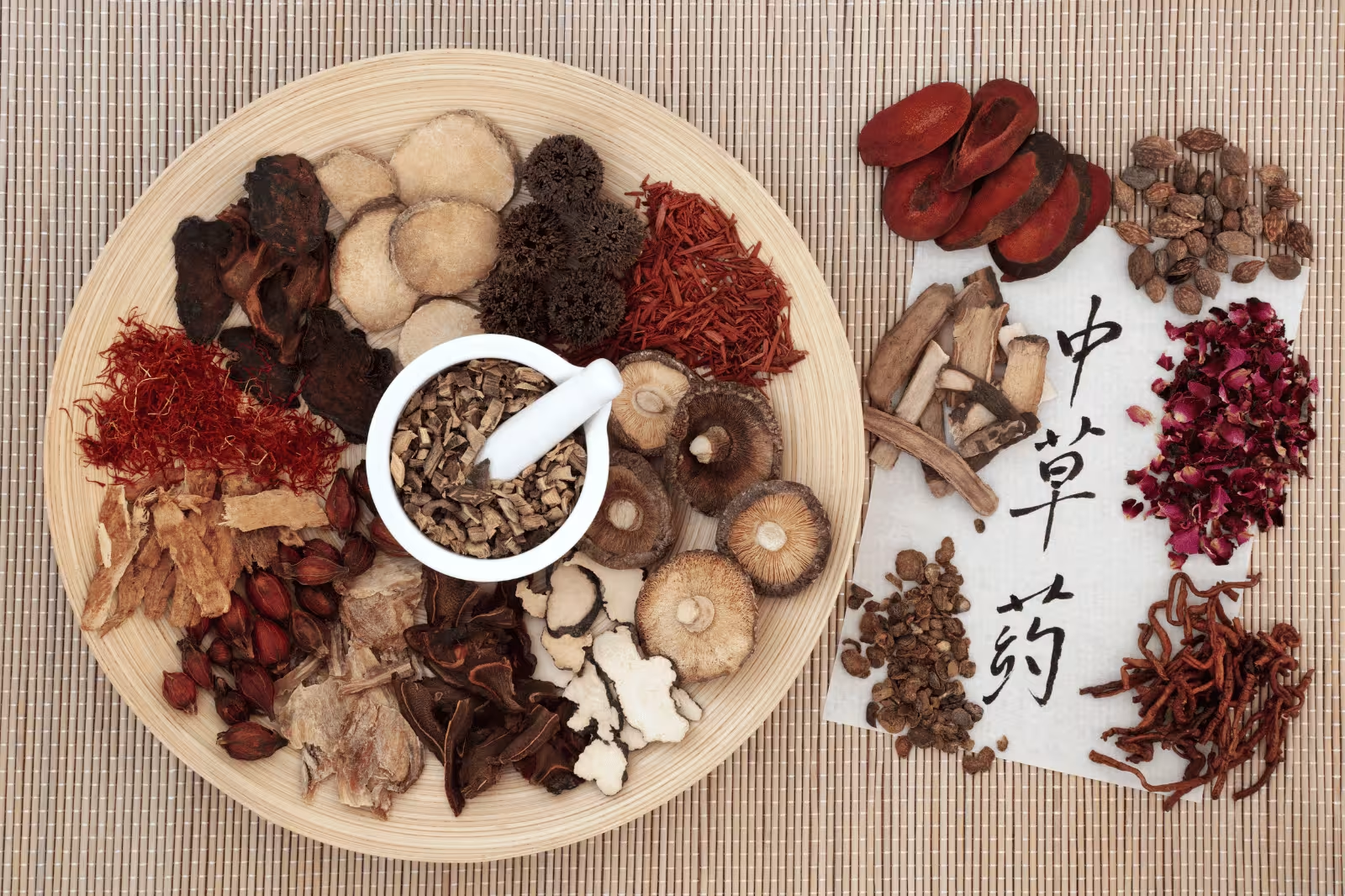
Chinese medicine can often be used alongside conventional migraine care when herbs, medications, safety risks, and medical diagnoses are properly coordinated.
Many people use acupuncture as part of an integrative care plan that may also include a primary care physician, neurologist, prescription medication, imaging when needed, lifestyle changes, and trigger management.
This coordinated approach is especially important for people with chronic migraine, complex medical histories, frequent medication use, hormonal migraines, neurological symptoms, or headaches that have changed over time.
The safest approach is open communication. Tell your acupuncturist about your medications, supplements, diagnoses, pregnancy status, surgeries, and red-flag symptoms. Tell your physician about any herbs or supplements you plan to use.
Daily headache prevention in Chinese medicine often focuses on regular meals, sleep rhythm, hydration, stress regulation, digestion, neck mobility, and trigger awareness.
Skipped meals can trigger headaches for many people. TCM also places importance on digestive strength, which is why regular, balanced meals may be recommended.
Sudden caffeine withdrawal or overuse can both contribute to headaches. For some people, consistency is more helpful than large swings.
Frequent screen use, forward head posture, jaw clenching, and shoulder tension can contribute to headaches that begin in the neck or base of the skull.
Irregular sleep can make the nervous system more reactive. A steady bedtime and wake time may help reduce migraine susceptibility.
Some migraines begin with subtle warning signs such as yawning, mood changes, neck stiffness, cravings, light sensitivity, or visual changes. Lowering stimulation early may help some people reduce escalation.
Patterns are easier to address when they are visible. Track sleep, stress, meals, hydration, cycle timing, weather, screen exposure, and pain details.
Chinese medicine offers a detailed and individualized way to understand headaches and migraines. Instead of asking only where the pain is, TCM asks why the pain keeps returning, what systems are involved, and how the body can be supported between episodes.
Acupuncture, Chinese herbal medicine, cupping, gua sha, ear seeding, Tui Na massage, food therapy, and lifestyle guidance may all play a role depending on the person. The most effective plan is not generic. It is based on the pain pattern, the patient’s constitution, safety needs, medical history, and real-life triggers.
For patients looking for a more personalized approach, ACA Acupuncture & Wellness offers TCM-based care that can support headache and migraine management through herbal guidance when appropriate, cupping, moxibustion, ear seeding, reflexology, Tui Na massage, acupuncture, food therapy, and thermal therapy as part of a broader wellness plan.
To explore whether this approach fits your symptoms, schedule a visit with us and work with a licensed acupuncturist to better understand your headache pattern and care options.
Sources:
Lyu, S., Zhang, C. S., Guo, X., Zhang, A. L., Xue, C. C., & Lu, C. (2024). Real-world observations and impacts of Chinese herbal medicine for migraine: A prospective, observational study. Frontiers in Pharmacology, 15, 1330589.
Fu, G., Fan, X., Liang, X., Wei, J., Jia, M., Liu, S., Shen, W., & Zhang, Y. (2022). An overview of systematic reviews of Chinese herbal medicine in the treatment of migraines. Frontiers in Pharmacology, 13, 924994.
Chen, Q., Wang, M., Fu, F., Nie, L., Miao, Q., Zhao, L., Liu, L., & Li, B. (2024). Mechanism of traditional Chinese medicine in treating migraine: A comprehensive review. Journal of Pain Research, 17, 3031–3046.
National Institute of Neurological Disorders and Stroke. (2026). Migraine. National Institutes of Health.
Chinese medicine does not use one single remedy for every migraine. A TCM practitioner may recommend acupuncture, Chinese herbal formulas, cupping, gua sha, ear seeding, food therapy, and lifestyle guidance based on the person’s pattern. Common patterns may involve Liver Yang rising, Liver Qi stagnation, Blood stasis, Phlegm-Damp retention, or deficiency.
Chinese medicine may help support migraine management for some people, especially when care is personalized and consistent. Acupuncture may help with migraine frequency, pain regulation, neck tension, stress response, and sleep quality. Chinese herbs may also be used when appropriate, but they should be selected by a qualified practitioner and coordinated with any existing medical care.
Chrysanthemum tea, also called Ju Hua tea, is one of the most commonly discussed Chinese teas for headaches, especially when headaches involve eye strain, heat signs, or Liver-related patterns. Peppermint tea may also be used in some TCM-inspired routines for tension or heat-related discomfort. Tea choice should still match the person’s symptoms, constitution, medications, and overall health needs.
Chinese herbal medicine can be helpful for some people, but it is not automatically safe for everyone. Herbs may interact with medications and may not be appropriate during pregnancy, while breastfeeding, before surgery, or for people with liver, kidney, bleeding, or cardiovascular conditions. A qualified practitioner should review your health history before recommending herbs.
Chinese medicine explains migraines through patterns of imbalance rather than one single cause. These patterns may include Liver Yang rising, Liver Qi stagnation, Blood stasis, Phlegm-Damp retention, external Wind, Qi and Blood deficiency, or Yin deficiency. The practitioner looks at pain location, pain quality, triggers, digestion, sleep, stress, cycle changes, tongue, pulse, and accompanying symptoms.
Commonly discussed Chinese herbs for migraine and headache patterns include Chuan Xiong, Tian Ma, Gou Teng, Bai Zhi, Ju Hua, and Yan Hu Suo. Common formulas may include Chuan Xiong Cha Tiao San and Tian Ma Gou Teng Yin. These herbs and formulas are not interchangeable, so they should be chosen according to the person’s TCM pattern and safety profile.
LOCATIONS
MANHATTAN
QUEENS
NEW JERSEY
CALIFORNIA

The over $4 billion US acupuncture market offers a great opportunity with over 10% annual growth rates and a continuing flow of new patients interested in the benefits of acupuncture.
