

Acupuncture may help support gout relief by easing joint pain, calming inflammation, improving circulation, and helping the body regulate pain during and between flare-ups. Gout still requires proper medical diagnosis and long-term management because it is linked to uric acid buildup and urate crystal formation in the joints.
Gout can be sudden, intense, and disruptive. A joint that felt normal the day before may become hot, swollen, red, and extremely tender. The big toe is one of the most common areas affected, but gout can also involve the foot, ankle, knee, wrist, fingers, and elbow.
Many people look for natural ways to manage gout because flare-ups can interfere with walking, sleeping, working, and daily comfort. Acupuncture is not a replacement for medical gout treatment, uric acid testing, or prescribed medication. However, it may be used as a supportive therapy for pain relief, inflammation support, stress regulation, and recovery.
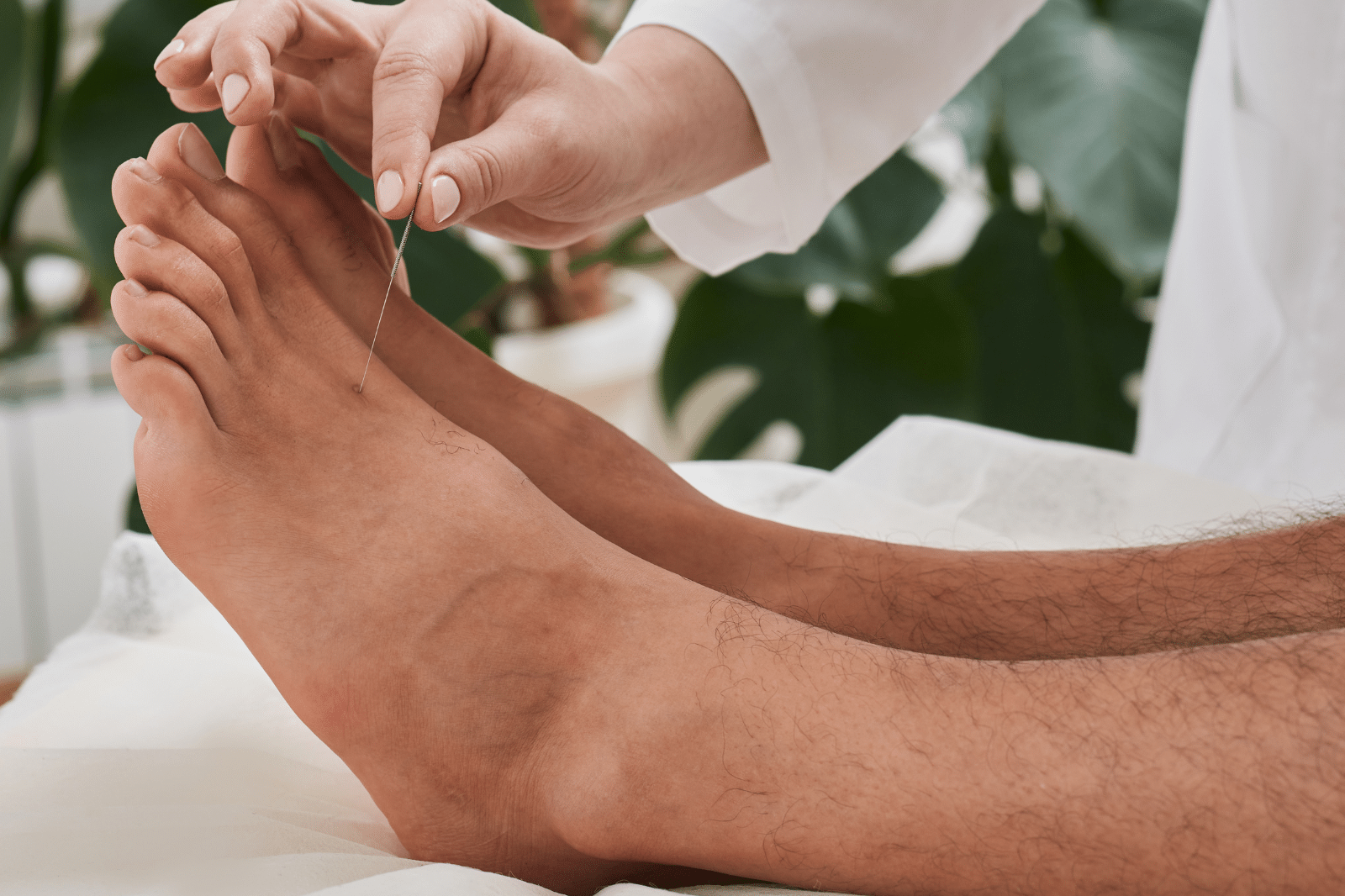
Acupuncture may help support gout relief by easing joint pain, calming inflammation, improving circulation, and helping the body regulate pain during and between flare-ups. Gout still requires proper medical diagnosis and long-term management because it is linked to uric acid buildup and urate crystal formation in the joints.
Gout can be sudden, intense, and disruptive. A joint that felt normal the day before may become hot, swollen, red, and extremely tender. The big toe is one of the most common areas affected, but gout can also involve the foot, ankle, knee, wrist, fingers, and elbow.
Many people look for natural ways to manage gout because flare-ups can interfere with walking, sleeping, working, and daily comfort. Acupuncture is not a replacement for medical gout treatment, uric acid testing, or prescribed medication. However, it may be used as a supportive therapy for pain relief, inflammation support, stress regulation, and recovery.
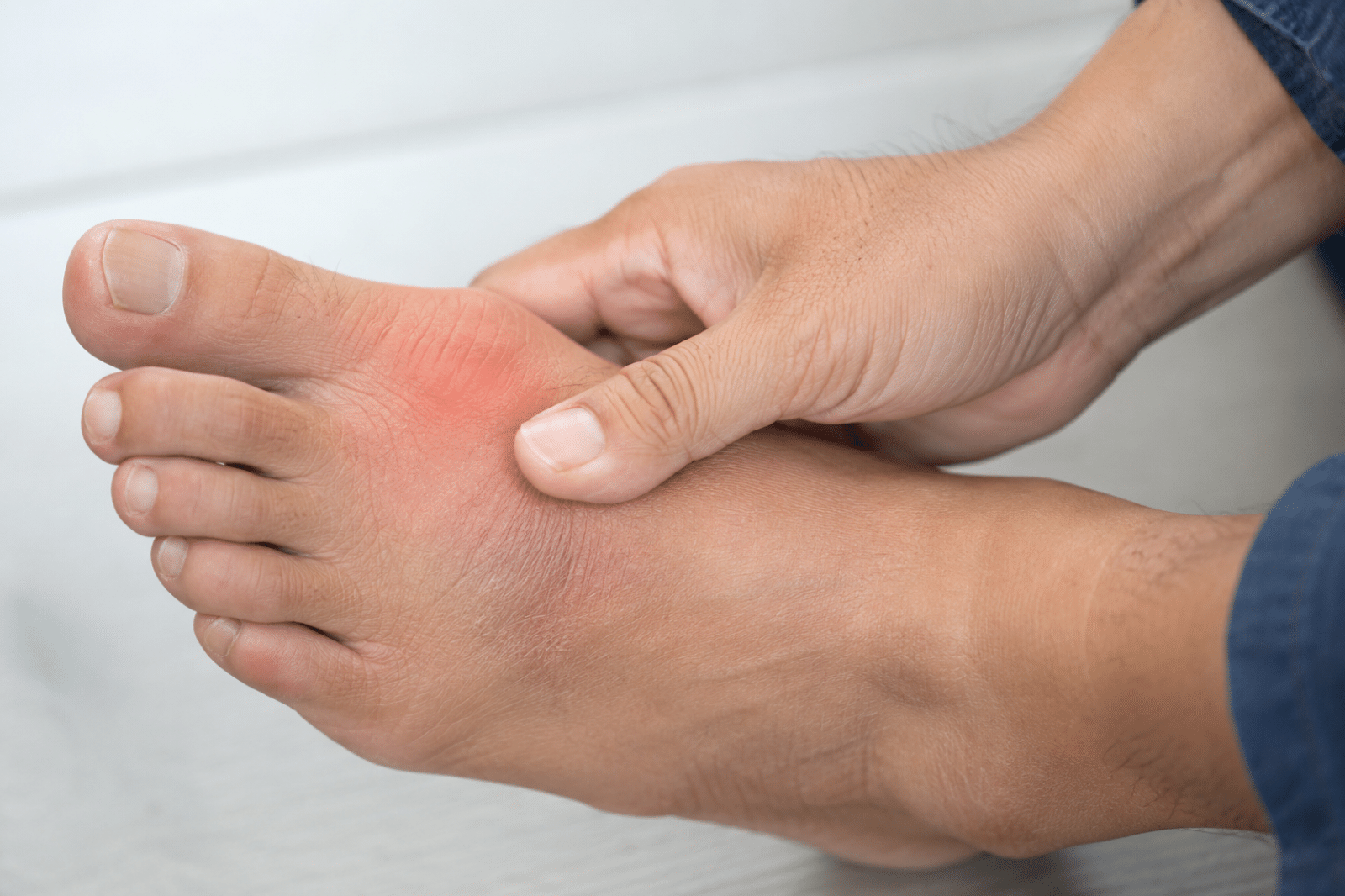
Gout is an inflammatory form of arthritis caused by urate crystal buildup in the joints, leading to sudden episodes of severe pain, swelling, heat, and redness.
Uric acid forms when the body breaks down purines, which are natural substances found in the body and in certain foods. When uric acid levels stay too high, sharp urate crystals may form in the joints. The immune system can react strongly to these crystals, causing a painful inflammatory flare.
Gout is not just ordinary joint soreness. It is a metabolic and inflammatory condition that can become recurring if the underlying uric acid problem is not addressed.
Gout symptoms may include:
The pain can be severe enough that even a bedsheet brushing against the joint feels uncomfortable.
The big toe is commonly affected because urate crystals are more likely to form in cooler areas of the body. The feet are farther from the body’s core temperature, and the big toe joint also carries pressure during standing, walking, and balance. These factors can make the area more vulnerable during a flare.
Acute gout refers to a sudden flare-up. The joint may become hot, red, swollen, and extremely painful within hours.
Chronic or recurring gout means flare-ups happen repeatedly or discomfort continues between attacks. Over time, poorly managed gout may contribute to joint damage, persistent inflammation, and tophi, which are deposits of urate crystals under the skin.
Acupuncture may help people with gout by supporting pain relief, reducing inflammatory discomfort, relaxing surrounding tension, and improving mobility during recovery.
Acupuncture works best as part of a broader care plan. It may help the body regulate pain signals, ease muscle guarding around the affected joint, support circulation, and promote a calmer nervous system response.
For gout, acupuncture may be used to support:
Acupuncture does not dissolve urate crystals or replace medication that may be needed to lower uric acid. It can, however, be a helpful support for people who want a natural, non-drug therapy alongside appropriate medical care.
Gout develops when high uric acid levels lead to urate crystal formation, and the immune system reacts to those crystals with intense inflammation.
Uric acid is a normal waste product, but problems can occur when the body produces too much or the kidneys do not remove enough. When uric acid remains elevated, crystals can settle in joints and surrounding tissues.
Purines are found naturally in the body and in foods such as organ meats, red meat, shellfish, certain seafood, alcohol, and some high-fructose drinks. When purines break down, they produce uric acid.
Having high uric acid does not always mean someone will develop gout, but it increases the risk.
When urate crystals form in a joint, the immune system may react as if the crystals are foreign irritants. This reaction can create intense inflammation, which explains the sudden heat, redness, swelling, and pain associated with gout.
Gout flares may be triggered by dehydration, alcohol, high-purine meals, illness, stress, surgery, injury, rapid weight changes, or medication changes. Some people have long gaps between flares, while others experience frequent attacks.
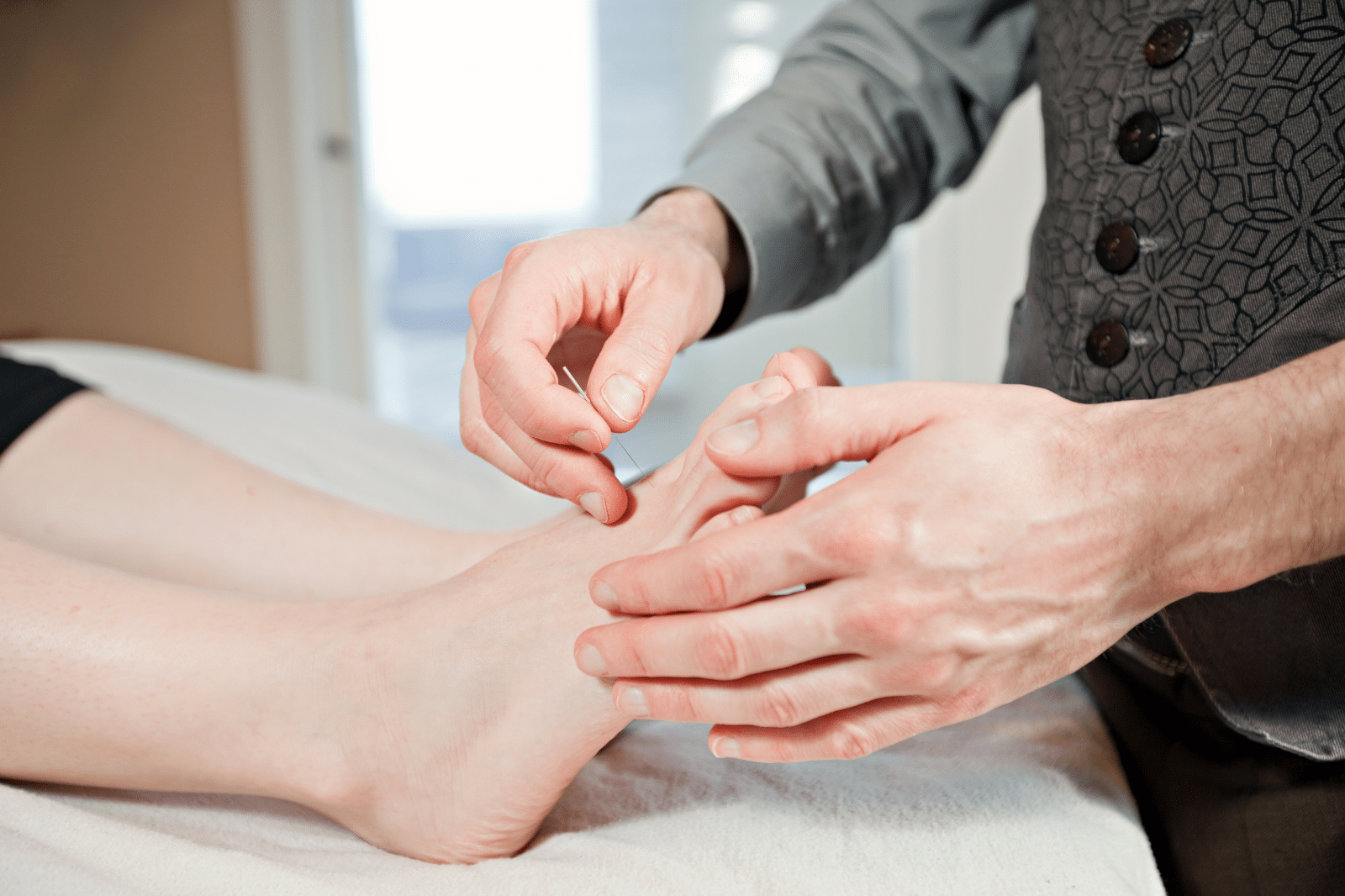
Acupuncture may support gout relief by influencing pain pathways, circulation, inflammatory response, muscle tension, and nervous system regulation.
From a modern perspective, acupuncture may help affect how the body processes pain and inflammation. From a Traditional Chinese Medicine perspective, treatment focuses on restoring smoother movement of Qi and blood while addressing patterns such as Damp-Heat, stagnation, or deficiency.
Gout pain can be sharp, burning, throbbing, or pressure-like. Acupuncture may help reduce pain sensitivity by stimulating points that influence the nervous system and the body’s natural pain-relieving mechanisms.
Gout is driven by inflammation around urate crystals. Acupuncture is not a uric acid-lowering drug, but it may help support the body’s inflammatory regulation and reduce discomfort associated with swelling and irritation.
Painful joints often cause surrounding muscles and soft tissues to tighten. This protective tension can make movement feel even harder. Acupuncture may help improve local circulation and ease guarding around the affected area.
Recurring pain can place the body in a stress response. Acupuncture may support relaxation, calm the nervous system, and help patients feel more settled during recovery.
Gout pain can interfere with sleep, and poor sleep can make pain feel worse. Acupuncture may help support relaxation and sleep quality, which can be especially useful for people recovering from painful flare-ups.
Research suggests that acupuncture and electroacupuncture may help reduce pain and inflammatory symptoms in gout, but acupuncture should still be viewed as complementary care.
Some studies have explored acupuncture and electroacupuncture for acute gouty arthritis. Findings suggest possible benefits for pain, swelling, inflammation, and uric acid-related outcomes. However, research quality varies, and not all studies use the same treatment methods, point selections, or comparison groups.
This means acupuncture may be promising, but it should not be presented as a guaranteed cure. The most responsible view is that acupuncture may support symptom relief and recovery while medical care addresses the underlying uric acid problem.
Some online articles claim acupuncture is better than medication or can control gout on its own. That type of claim should be approached cautiously.
Gout can require blood testing, kidney function evaluation, prescription medication, and long-term uric acid management. Pain relief is important, but reducing pain does not always mean the underlying crystal buildup has been resolved.
In Traditional Chinese Medicine, gout often resembles a Damp-Heat Bi pattern, where heat, swelling, pain, and fluid imbalance obstruct the joints.
TCM looks at gout through the full pattern of symptoms. The affected joint matters, but so do digestion, hydration, diet, stress, sleep, energy, body constitution, and flare frequency.
An acute gout flare often appears similar to Damp-Heat Bi. The joint may be red, hot, swollen, and painful. Treatment may focus on clearing heat, transforming dampness, moving stagnation, and supporting smoother circulation through the affected channels.
For recurring or long-standing gout, TCM may also consider blood stasis, phlegm accumulation, or underlying deficiency patterns. These patterns may be relevant when pain lingers, stiffness remains, or flare-ups return repeatedly.
Two people can both have gout but need different acupuncture strategies. One person may have a hot, swollen acute flare. Another may have chronic stiffness between attacks. Someone else may have gout alongside stress, poor sleep, digestive issues, or fatigue.
A personalized plan allows treatment to match the patient’s symptoms, health history, and stage of recovery.
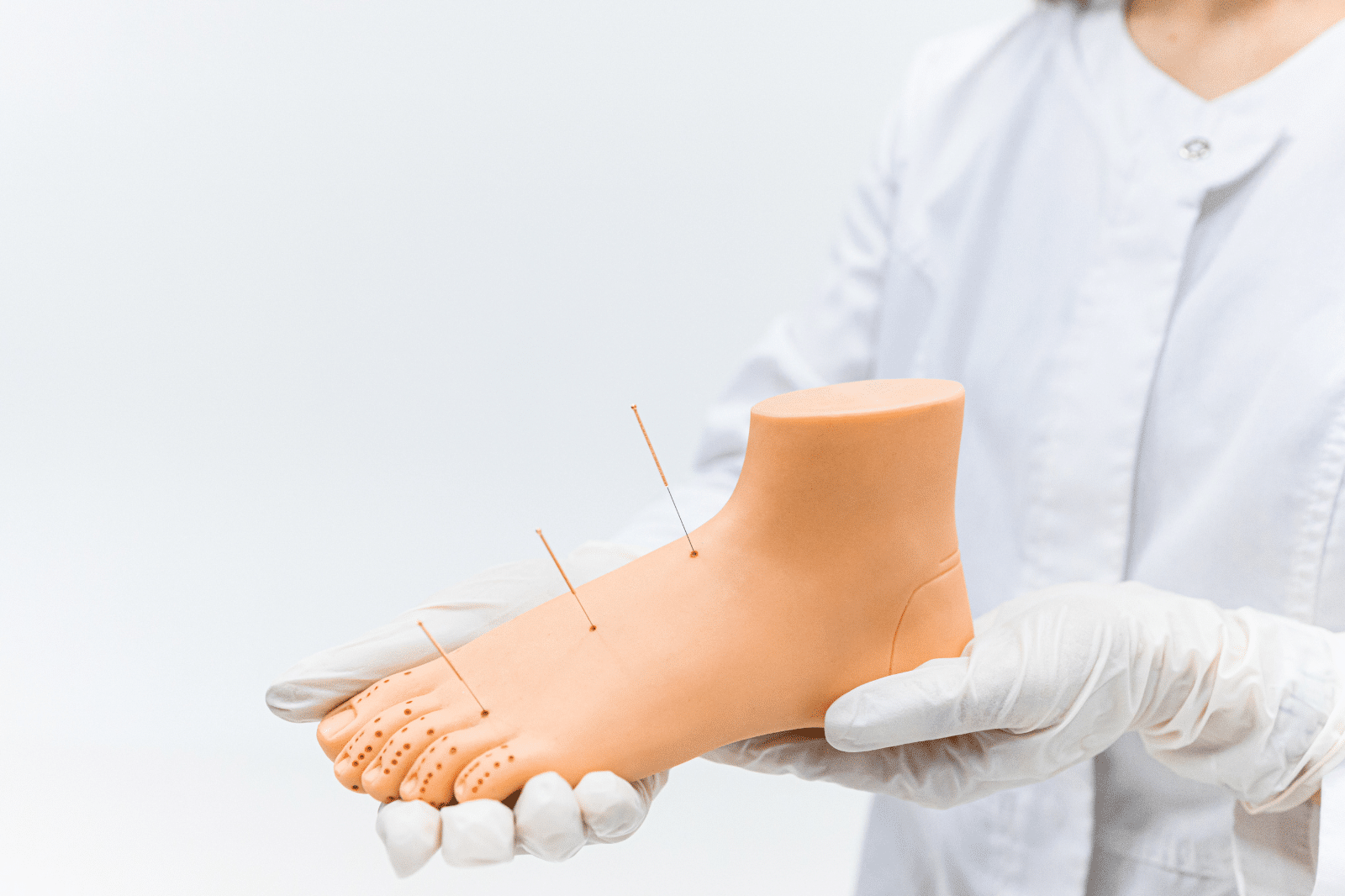
Acupuncture for gout begins with a careful review of symptoms, flare history, affected joints, medications, lifestyle, and medical history.
At ACA Acupuncture & Wellness, gout-related care is approached with attention to both comfort and safety. The goal is to understand the full picture before choosing points or recommending supportive therapies.
A gout-focused visit may include questions about:
The acupuncturist may assess pain level, swelling, sensitivity, and movement. During an acute flare, direct needling into the most inflamed area may not be appropriate. Treatment may use nearby, distal, or systemic points instead.
A treatment plan may include body acupuncture, electroacupuncture when appropriate, ear acupuncture, ear seeding, cupping, moxibustion, Chinese herbal medicine, TuiNa, or lifestyle guidance. The selected approach depends on the patient’s condition, comfort level, and safety needs.
During an acute flare, some patients may benefit from more frequent short-term support. For recurring gout, care may focus on maintenance, inflammation support, and recovery between flares. The right schedule depends on symptom severity, flare history, and treatment goals.
Gout support may include body acupuncture, electroacupuncture, ear acupuncture, ear seeding, and other Traditional Chinese Medicine therapies depending on the patient’s needs.
Body acupuncture may use points near the affected channel, points away from the painful joint, and systemic points selected for pain, inflammation, fluid metabolism, digestion, and circulation patterns.
Electroacupuncture uses a gentle electrical current between selected acupuncture needles. It may be considered for pain modulation and inflammation support when appropriate. It is not used for every patient and should be selected based on the person’s health history and sensitivity.
Ear acupuncture and ear seeding may support pain regulation, stress relief, sleep, and nervous system balance. Ear seeds provide gentle pressure stimulation between visits and may be helpful for patients who want simple, non-needle support after treatment.
Cupping may help with surrounding muscle tension and circulation. It is usually not applied directly over a hot, swollen, acutely inflamed gout joint. The practitioner should decide whether it is appropriate based on the flare stage and the patient’s condition.
Moxibustion uses gentle heat near acupuncture points. It may be helpful for cold or deficiency patterns, but it is generally not the first choice for a red, hot, inflamed gout flare.
Chinese herbal medicine may be considered as part of a broader TCM care plan. Because gout can involve kidney function, prescription medications, and metabolic concerns, herbs should be selected carefully and coordinated with medical care when needed.
TuiNa may support mobility and surrounding muscle tension once acute inflammation has calmed. Direct pressure on a severely painful joint is usually avoided during a flare.
During an acute gout flare, acupuncture should focus on gentle pain and inflammation support without aggravating the hot, swollen joint.
An acute gout flare can be extremely sensitive. The joint may not tolerate touch, pressure, socks, shoes, or movement. This is why treatment must be gentle and carefully adapted.
If the joint is severely swollen, red, hot, or accompanied by fever, medical evaluation is important. Infection, injury, and other inflammatory joint conditions can resemble gout. Acupuncture should not delay urgent care when symptoms are severe, unusual, or worsening.
Aggressive treatment may irritate a highly inflamed joint. A careful approach may use distal points, calming points, or points related to the affected channel without directly stimulating the most painful area.
During a flare, patients may benefit from rest, hydration, elevation, and avoiding known triggers. Any medication plan should come from a qualified medical provider, especially for patients with kidney disease, blood pressure concerns, diabetes, or medication interactions.
For chronic or recurring gout, acupuncture may help support joint comfort, mobility, stress regulation, and recovery between flare-ups.
Recurring gout can affect daily confidence. People may start avoiding certain activities because they fear another attack. They may also feel frustrated by dietary restrictions, medication routines, or unpredictable pain.
Acupuncture may support the body between flares by helping reduce tension, encourage movement, and promote a steadier recovery pattern.
Even after the worst pain improves, the joint may feel stiff, tender, or weak. Acupuncture may help support circulation, mobility, and soft tissue relaxation around the affected area.
A TCM plan may consider digestion, fluid metabolism, sleep, stress, and energy. These factors do not replace uric acid management, but they may help create a more complete support plan.
People taking allopurinol, febuxostat, colchicine, NSAIDs, corticosteroids, or other medications should continue working with their prescribing clinician. Acupuncture can often be used alongside conventional care, but medication changes should only be made by a medical provider.
Gout management works best when pain relief, uric acid control, hydration, diet, movement, and medical care are addressed together.
Lifestyle support does not need to be extreme. The goal is to reduce common triggers, support metabolic health, and create habits that are realistic over time.
Staying hydrated helps the kidneys process waste products, including uric acid. Dehydration may contribute to flare risk in some people.
High-purine foods can increase uric acid in some patients. Common examples include organ meats, red meat, anchovies, sardines, mussels, scallops, and certain shellfish. Individual tolerance varies, so many people benefit from tracking patterns rather than following overly restrictive diets.
Beer, liquor, and sugary drinks can trigger gout in many people. High-fructose drinks are especially relevant because fructose metabolism can increase uric acid production.
Gout is often connected with metabolic health, kidney function, blood pressure, insulin resistance, and weight. Supporting these areas may help reduce long-term gout risk.
During a flare, rest may be necessary. Between flares, gentle movement can support circulation, joint mobility, and overall health. The right type of movement depends on the affected joint and the patient’s comfort level.
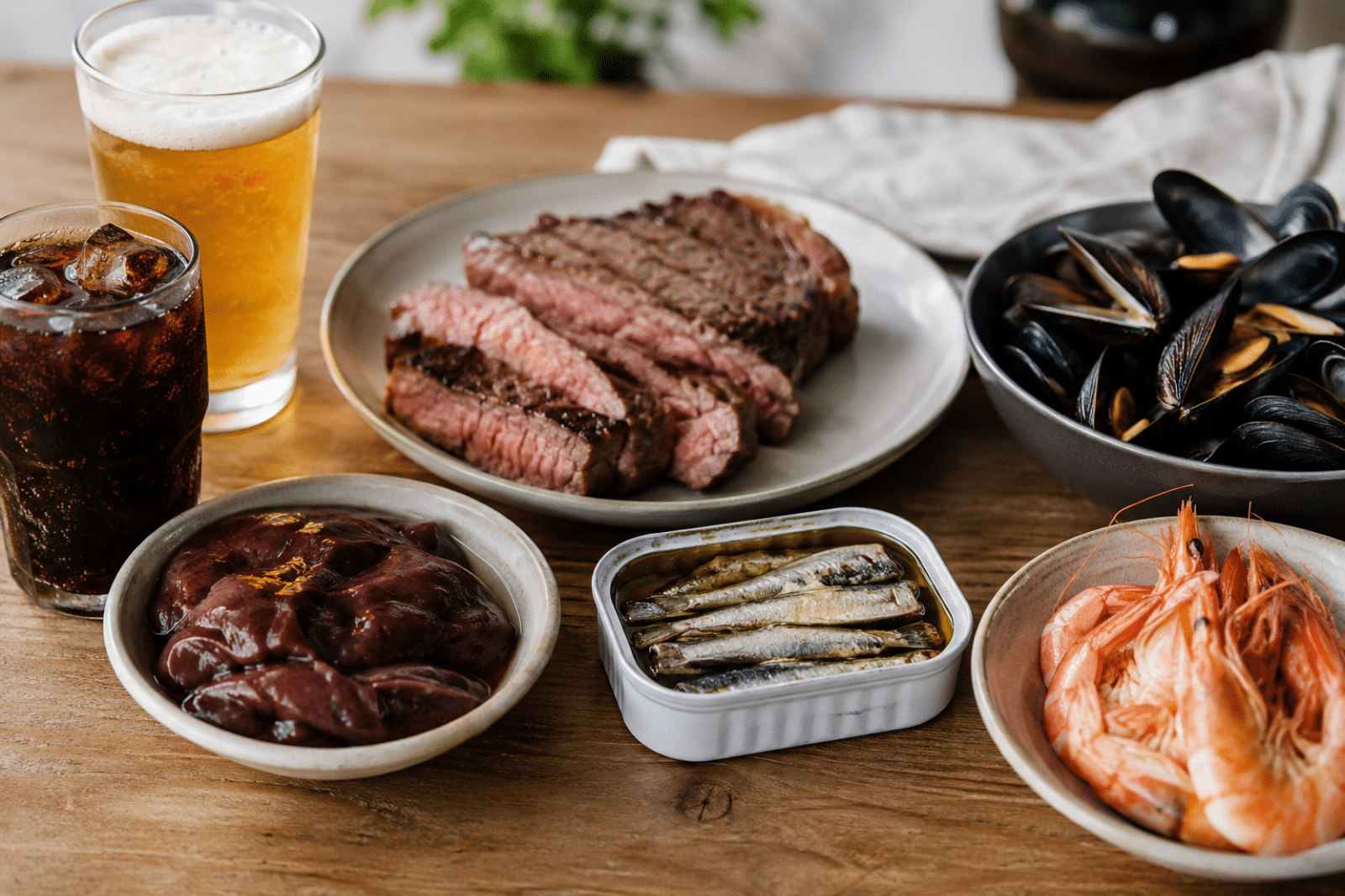
Common gout triggers include alcohol, organ meats, certain seafood, red meat, high-fructose drinks, dehydration, and sudden dietary changes.
Possible triggers include:
Not every person has the same triggers. A realistic gout plan should consider medical guidance, food preferences, culture, lifestyle, and what the patient can maintain consistently.
A qualified acupuncturist should understand inflammatory joint pain, medication safety, flare patterns, and when medical referral is necessary.
Helpful questions include:
The right practitioner should be confident, careful, and honest about acupuncture’s role. Gout can improve, but it often requires a long-term plan.
People with severe swelling, fever, infection risk, blood thinner use, diabetes, poor wound healing, kidney disease, or unclear joint pain should be carefully evaluated before acupuncture.
Extra caution may be needed for people with:
Acupuncture is generally safe when performed by a licensed practitioner using sterile needles, but safety screening is still important.
Natural gout support should focus on reducing pain, calming inflammation, supporting uric acid management, and helping the body recover between flare-ups. Because gout is a medical condition that may require testing, medication, and ongoing monitoring, the best approach is often a balanced one that combines medical care with lifestyle support and symptom-focused therapies.
Acupuncture may offer natural support for gout-related joint pain, swelling, stiffness, stress, and recovery, especially when used as part of a broader care plan. Treatment may include acupuncture, electroacupuncture, ear seeding, Chinese herbal medicine, cupping, moxibustion, TuiNa, or reflexology depending on the patient’s symptoms, flare stage, health history, and safety needs.
At ACA Acupuncture & Wellness, care is personalized to support comfort, mobility, inflammation balance, and whole-body recovery while recognizing the importance of long-term uric acid management. If gout pain, stiffness, or recurring flare-ups are affecting your daily life, acupuncture can be a supportive part of your path toward better joint comfort and overall wellness.
Sources:
Centers for Disease Control and Prevention. (2024). Gout.
National Center for Complementary and Integrative Health. (n.d.). Acupuncture: Effectiveness and safety.
American College of Rheumatology. (n.d.). Gout
Acupuncture may help support gout-related pain relief, swelling discomfort, stiffness, inflammation, and recovery. It should be used as complementary care, not as a replacement for medical diagnosis or treatment.
Some studies have explored acupuncture’s effect on uric acid levels, but acupuncture should not be relied on as the only method for lowering uric acid. Medical monitoring and urate-lowering treatment may still be needed.
Acupuncture may support pain relief and inflammation regulation during a flare, but it should not be viewed as an instant cure. Acute gout may still require medication and medical guidance.
The number of sessions depends on whether the patient is in an acute flare, recovering from a flare, or dealing with recurring gout. Some patients begin with more frequent visits and then shift to maintenance support.
Electroacupuncture may be helpful for pain and inflammation support in some gout cases. It is not appropriate for everyone, so it should be selected based on the patient’s condition and health history.
Many patients use acupuncture alongside gout medication. Patients should keep their medical provider informed and should not stop or change medication without professional guidance.
LOCATIONS
MANHATTAN
QUEENS
NEW JERSEY
CALIFORNIA

The over $4 billion US acupuncture market offers a great opportunity with over 10% annual growth rates and a continuing flow of new patients interested in the benefits of acupuncture.
