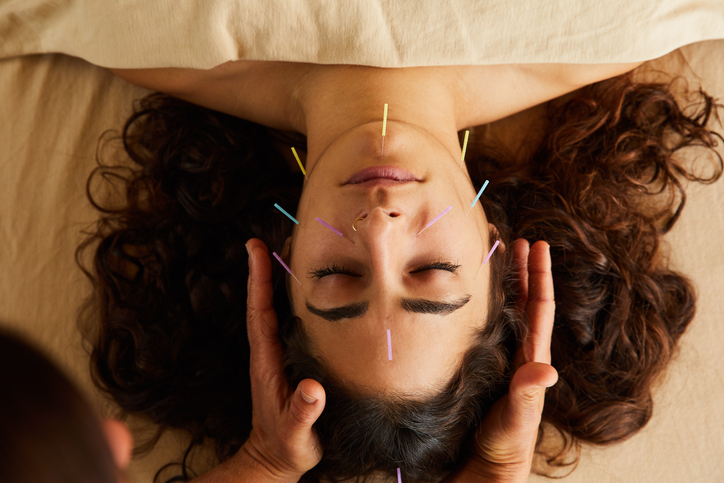

Cupping and acupuncture are both traditional therapeutic techniques used to relieve pain, improve circulation, and support overall balance in the body, but they work through fundamentally different mechanisms. Cupping primarily affects the body from the surface inward by using suction to release tension and improve blood flow, while acupuncture influences internal systems by stimulating specific points that regulate neurological, circulatory, and energetic function.
Understanding how these therapies work, where they overlap, and how they differ allows people to choose the most appropriate treatment for their symptoms rather than relying on preference or guesswork.
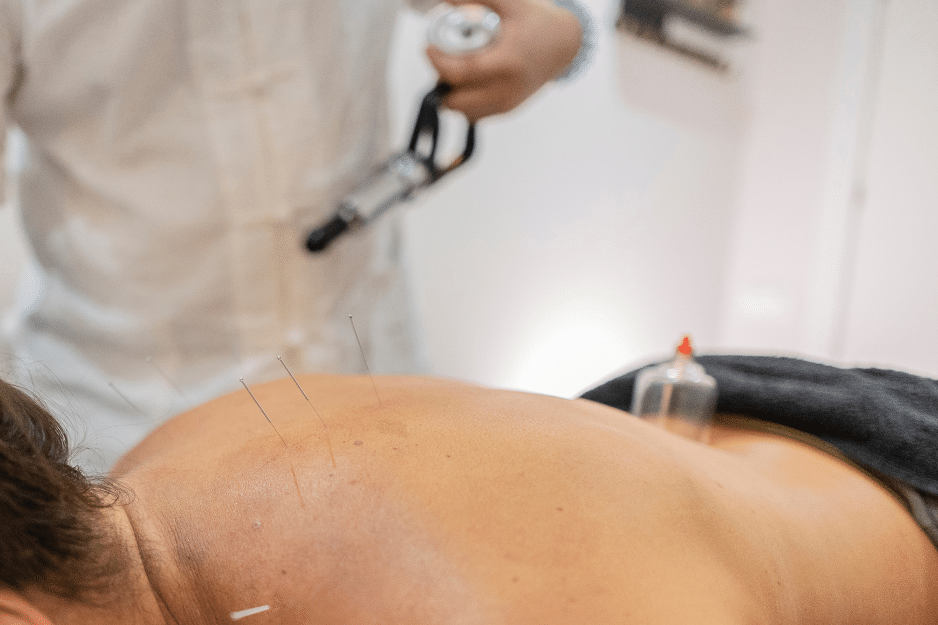
Cupping and acupuncture are both traditional therapeutic techniques used to relieve pain, improve circulation, and support overall balance in the body, but they work through fundamentally different mechanisms. Cupping primarily affects the body from the surface inward by using suction to release tension and improve blood flow, while acupuncture influences internal systems by stimulating specific points that regulate neurological, circulatory, and energetic function.
Understanding how these therapies work, where they overlap, and how they differ allows people to choose the most appropriate treatment for their symptoms rather than relying on preference or guesswork.
The core difference between cupping and acupuncture lies in how they interact with the body. Cupping mechanically lifts and decompresses tissue to improve circulation and mobility, while acupuncture modulates internal signaling systems that control pain, stress, and organ function.
This distinction explains why cupping tends to feel more physically intense and produces visible marks, while acupuncture feels subtler and influences conditions that extend beyond muscles and joints. One works primarily on tissue mechanics, the other on systemic regulation.
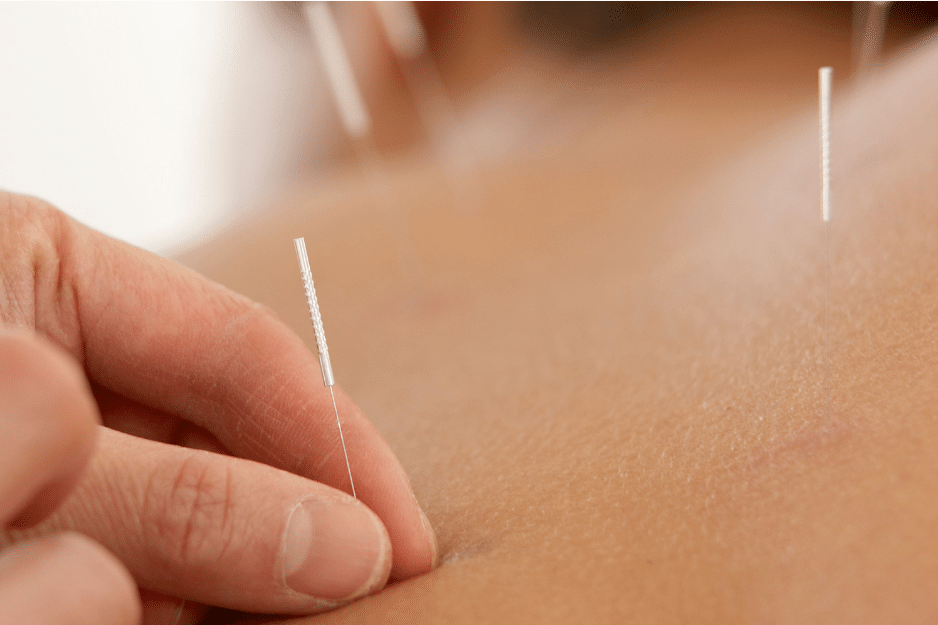
Acupuncture influences the body by interacting with neural, vascular, and regulatory networks that govern pain, stress response, and internal balance. The points used in treatment are traditionally mapped along meridians, which describe functional pathways linking surface stimulation to deeper organ systems.
From a physiological standpoint, many acupuncture points sit near concentrated nerve endings and blood vessels. Stimulating these areas can trigger a cascade of responses rather than a single effect, including:
How these responses are activated depends on the technique used. Manual acupuncture relies on precise needle placement and subtle hand manipulation to regulate signaling gradually. Electroacupuncture adds a mild electrical current through the needles to strengthen or prolong stimulation, often selected for chronic pain or nerve-related conditions. In cases where neurological regulation or stress modulation is a priority, auricular acupuncture may be used, focusing on specific points on the ear that correspond to systemic and brain-related functions.
Because these effects act across multiple systems, acupuncture is often applied to conditions involving recurring patterns or internal dysregulation rather than isolated pain. Improvement tends to reflect improved coordination within the body rather than a forced or purely mechanical correction.
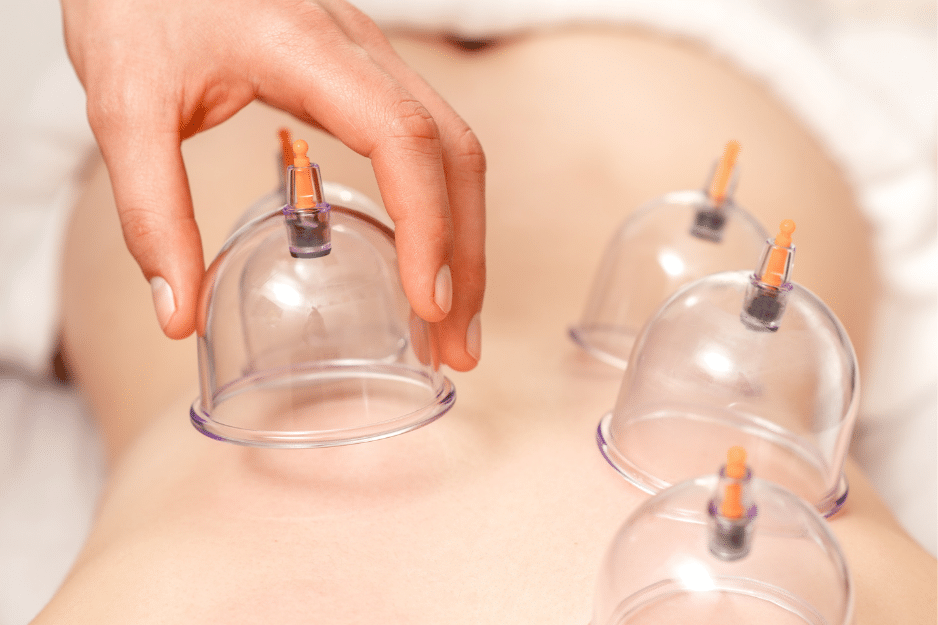
With cupping therapy, suction is applied to the skin, creating an outward pull on muscles and connective tissue. This lift separates layers that have become compressed through overuse, injury, or prolonged tension, restoring movement and circulation in the area.
The mechanical response is distinct from hands-on techniques that press inward. When tissue is decompressed rather than compressed, several changes commonly occur:
The way suction is applied depends on the therapeutic goal. Dry cupping uses stationary cups to maintain sustained decompression over specific areas of tension. Moving cupping introduces motion after suction is applied, allowing broader muscle groups to be treated and mobility to improve. In situations where lighter stimulation is preferred, flash cupping applies brief, repeated suction to encourage circulation without prolonged pressure.
Together, these mechanical effects help explain why cupping often produces noticeable relief in the neck, shoulders, and back, where mechanical restriction and circulation stagnation commonly coexist.
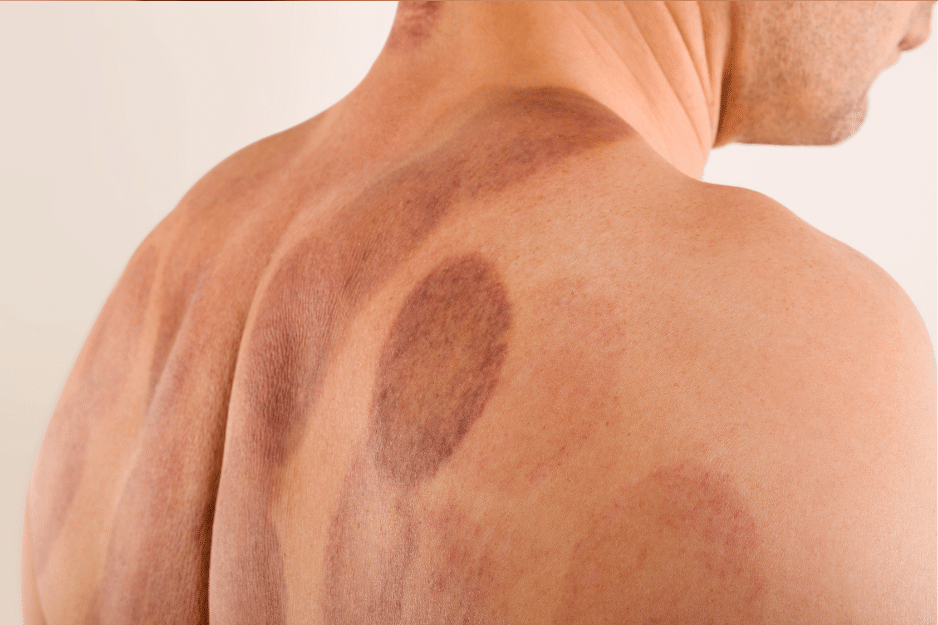
The circular marks left by cupping are a normal physiological response to suction, not a sign of injury or tissue damage. Suction draws blood toward the surface and places temporary stress on small capillaries, which can cause them to release blood into surrounding tissue.
Several factors influence why these marks appear and how long they last:
The color and intensity of cupping marks vary. Darker marks often appear in areas of longstanding tension or stagnation, while lighter marks fade more quickly as circulation normalizes.
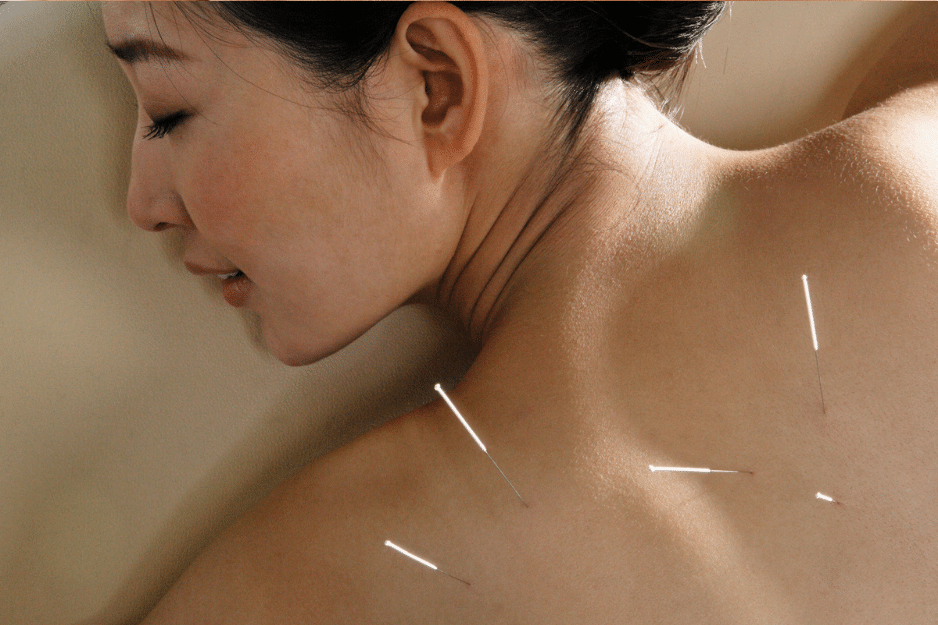
Acupuncture does not create the same surface response because it does not involve suction or sustained pressure on the skin. Needles are extremely fine and are inserted with minimal disruption to surrounding tissue, allowing internal regulatory effects to occur without visible marks.
The absence of marks after acupuncture does not indicate a weaker treatment, only a different method of interacting with the body.
Although cupping and acupuncture use different techniques, they are grounded in the same therapeutic philosophy. Both approaches are rooted in traditional East Asian medicine and are designed to support the body’s ability to restore balance rather than simply mask symptoms. Their shared emphasis on circulation, regulation, and individualized care explains why they are often used in overlapping clinical contexts.
The table below highlights the core areas where cupping and acupuncture align, despite their mechanical and methodological differences.
| Shared Aspect | How It Applies to Both Therapies |
| Therapeutic origin | Both come from traditional East Asian medical systems focused on restoring balance rather than suppressing symptoms |
| Core intention | Each therapy aims to improve circulation, reduce stagnation, and support the body’s natural healing response |
| Pain and tension relief | Both are commonly used to address musculoskeletal discomfort and movement restriction |
| Stress regulation | Each can help reduce stress by influencing circulation and nervous system response |
| Integrative use | Frequently applied together when physical tension and systemic stress occur at the same time |
| Individualized approach | Treatment selection and application are adjusted based on the person’s condition and response |
While cupping and acupuncture share common therapeutic roots, they differ in how they interact with the body and the types of conditions they are best suited to address. These differences influence how each therapy feels, what effects are most noticeable after treatment, and how practitioners decide which approach to use.
| Aspect | Cupping Therapy | Acupuncture |
| Methodology | Uses suction cups on the skin to lift and decompress tissue | Uses fine needles placed at specific points to influence internal regulation |
| Primary treatment focus | Targets localized muscle tension, stiffness, and circulation restriction | Addresses systemic regulation involving pain processing, stress response, and organ function |
| Area of influence | Acts primarily on surface tissue, fascia, and local blood flow | Influences internal systems through neural and circulatory signaling |
| Aftereffects | May leave temporary circular marks and mild localized soreness | Rarely leaves marks and is often followed by relaxation or calm |
| Typical response time | Relief is often felt quickly in the treated area | Effects may build gradually as internal regulation improves |
Cupping tends to work best when discomfort is tied to physical restriction or localized tension. It is commonly used for:
Acupuncture is more often chosen when symptoms reflect broader internal patterns or recur over time. It is frequently used for:
Treatment choice depends less on preference and more on how symptoms present and behave over time.
Using cupping and acupuncture together allows different layers of dysfunction to be addressed within the same treatment plan.
Both therapies are widely regarded as safe when performed by trained practitioners, with most reactions being mild and temporary.
How often treatment is needed varies based on the condition.
Several persistent myths can interfere with informed decision-making.
These misunderstandings can discourage people from choosing the therapy most aligned with their condition and goals.
Cupping and acupuncture are viewed as complementary tools that address different layers of the body rather than competing treatments. At ACA Acupuncture and Wellness, we use cupping to release physical restriction, improve local circulation, and restore tissue mobility, while acupuncture is applied to support internal regulation involving the nervous system, stress response, and long-term balance.
Our practitioners guide treatment decisions based on how symptoms present and persist. Localized tension and mechanical restriction often respond best to cupping, while recurring or system-wide patterns are more effectively addressed through acupuncture. When both physical tension and internal imbalance are present, we may combine these approaches to ensure care addresses the full scope of the condition rather than isolated symptoms.
In addition to acupuncture and cupping, our clinic also offers TuiNa Massage, Chinese Herbal Medicine, Moxibustion, Reflexology, Facial Acupuncture, Ear Seeding, Physiotherapy-informed care, and access to our Thermal Therapy Room. This allows treatments to support circulation, relaxation, recovery, and nervous system regulation as part of a fully integrated care plan.
If you are exploring a holistic approach that considers both physical tension and internal balance, you are welcome to contact us to learn how our practitioners can support a treatment plan tailored to your needs.
Sources:
Zhang, Y.-J., Cao, H.-J., Li, X.-L., Yang, X.-Y., Lai, B.-Y., Yang, G.-Y., & Liu, J.-P. (2017). Cupping therapy versus acupuncture for pain-related conditions: A systematic review of randomized controlled trials and trial sequential analysis. Chinese Medicine, 12, Article 21
Neither therapy is universally better for long-term pain. Acupuncture is often preferred for persistent or recurring pain linked to nervous system regulation, while cupping may provide faster relief when pain is driven by muscle tightness or restricted circulation.
Dry needling focuses on releasing specific muscle trigger points using a biomedical framework, while acupuncture is based on a holistic medical system that addresses pain, stress, and internal balance through point-specific regulation.
Yes, acupuncture and cupping treatment are commonly combined in a single session when both internal regulation and muscle release are needed. Practitioners typically sequence treatments based on the condition being addressed.
Discomfort usually decreases with repeated sessions as tissue tension and nervous system sensitivity improve. Neither therapy is intended to cause ongoing pain when applied appropriately.
Some people notice changes after the first session, particularly with cupping for muscle tension. Conditions involving chronic imbalance or nervous system regulation often require multiple acupuncture sessions for sustained improvement.
Both therapies are frequently used beyond symptom relief. Acupuncture is often applied for stress management and nervous system balance, while cupping may be used periodically to prevent muscle tightness and circulation stagnation.
LOCATIONS
MANHATTAN
QUEENS
NEW JERSEY
CALIFORNIA

The over $4 billion US acupuncture market offers a great opportunity with over 10% annual growth rates and a continuing flow of new patients interested in the benefits of acupuncture.
