

Acupuncture helps support smoking cessation by reducing withdrawal discomfort, calming stress responses, and making cravings feel less intense and easier to manage. By regulating the nervous system and supporting emotional stability, acupuncture can make the quitting process more tolerable when used alongside proven cessation strategies. It is best used as a complementary therapy rather than a standalone solution.
Quitting smoking is rarely just a mental challenge. For most people, it is a full-body adjustment that affects mood, sleep, focus, stress tolerance, and emotional regulation. Nicotine withdrawal disrupts the systems that have been artificially stimulated for years, which is why cravings can feel urgent and physically uncomfortable even when motivation is strong.
Approaching smoking cessation as a physiological transition, rather than a test of willpower, allows for more realistic expectations and better outcomes. Supportive therapies such as acupuncture focus on reducing the intensity of withdrawal symptoms so the body can adapt with less strain.

Acupuncture helps support smoking cessation by reducing withdrawal discomfort, calming stress responses, and making cravings feel less intense and easier to manage. By regulating the nervous system and supporting emotional stability, acupuncture can make the quitting process more tolerable when used alongside proven cessation strategies. It is best used as a complementary therapy rather than a standalone solution.
Quitting smoking is rarely just a mental challenge. For most people, it is a full-body adjustment that affects mood, sleep, focus, stress tolerance, and emotional regulation. Nicotine withdrawal disrupts the systems that have been artificially stimulated for years, which is why cravings can feel urgent and physically uncomfortable even when motivation is strong.
Approaching smoking cessation as a physiological transition, rather than a test of willpower, allows for more realistic expectations and better outcomes. Supportive therapies such as acupuncture focus on reducing the intensity of withdrawal symptoms so the body can adapt with less strain.

Nicotine functions as a rapid-acting regulator of mood, focus, and stress. Over time, the brain and nervous system adapt to its presence. When nicotine is removed, the body must recalibrate, which often results in a period of discomfort.
Withdrawal symptoms can include anxiety, irritability, fatigue, headaches, difficulty concentrating, disrupted sleep, and increased appetite. These symptoms are temporary, but they can be intense enough to trigger relapse, particularly when paired with familiar routines such as driving, coffee breaks, or social stress.
Quitting involves two overlapping challenges:
Acupuncture primarily supports the physiological side of this process by calming stress responses and improving regulation, which indirectly makes behavioral change easier.

Acupuncture is commonly used to stimulate the body’s internal comfort systems, including endorphin activity and neurotransmitter regulation. This can reduce the intensity of cravings as well as withdrawal-related anxiety, irritability, restlessness, and fatigue.
Rather than eliminating cravings entirely, acupuncture often helps shift them from overwhelming and urgent to tolerable and temporary, which makes it easier to follow a quit plan.
Nicotine withdrawal can keep the nervous system stuck in a heightened stress state. Acupuncture is frequently used to balance autonomic nervous system activity, encouraging a calmer baseline that supports better sleep, steadier mood, and improved stress tolerance.
This regulatory effect also supports the body’s natural recovery processes after smoking cessation, without relying on aggressive or misleading detox claims.
Smoking is often maintained by stress, emotional dysregulation, or nervous system overactivation rather than nicotine alone. By restoring balance and improving stress resilience, acupuncture can help interrupt the cycle that keeps smoking tied to emotional relief.
Quitting smoking often reveals how much nicotine was compensating for fatigue, stress, or emotional overload. Acupuncture supports broader physical and emotional stability, making it easier to adopt healthier routines and sustain change.
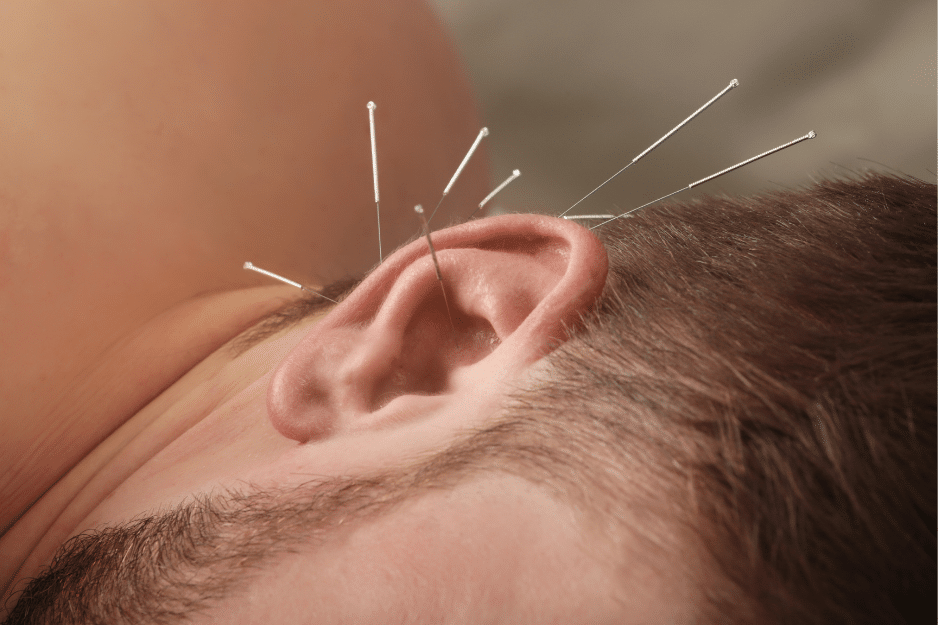
Auricular acupuncture focuses on specific points on the ear that are associated with stress regulation, emotional balance, and withdrawal discomfort. NADA-style protocols use a standardized set of ear points and are commonly delivered in a calm, quiet setting.
This approach is widely used because it is practical, accessible, and often well tolerated, particularly during the early stages of quitting.
Body acupuncture may include points traditionally associated with stress regulation, sleep support, emotional balance, and craving control. Some protocols reference points such as “Tim Mee” near the wrist, but effective treatment relies on individualized point selection rather than a single “stop smoking” point.
Many treatment plans combine ear acupuncture with body acupuncture to address both withdrawal symptoms and whole-body stress patterns. Some studies suggest acupuncture may work particularly well when used alongside nicotine replacement therapies such as patches or gum.
Treatment plans are based on individual smoking history, withdrawal symptoms, stress patterns, sleep quality, and energy levels. Point selection and session frequency are adjusted as symptoms change throughout the quitting process.
Many people begin with several weekly sessions during the most intense withdrawal period. As cravings stabilize and stress responses improve, sessions may be spaced further apart and used for maintenance or relapse prevention.
In addition to acupuncture, people may receive guidance on hydration, nutrition, movement, and stress management. These recommendations are intended to support the body’s adjustment process rather than impose rigid lifestyle rules.
Research on acupuncture for smoking cessation shows mixed results, with more consistent benefits seen in withdrawal symptom relief than long-term abstinence when acupuncture is used alone. It is best positioned as a complementary therapy alongside evidence-based cessation methods.
Differences in study design, treatment frequency, outcome measures, and follow-up duration contribute to varied results. While acupuncture alone is unlikely to guarantee long-term abstinence, it can meaningfully reduce the discomfort that often leads to early relapse.
The most effective smoking cessation strategies combine acupuncture with behavioral support and approved cessation tools. Acupuncture can reduce withdrawal burden, making it easier to remain consistent with other components of a quit plan.
Successful quit plans often include:
Acupuncture functions as a stabilizing support within this framework, particularly during the early stages of quitting.
Acupuncture is generally considered safe when performed by a licensed practitioner using sterile, single-use needles. Individuals with bleeding disorders, those taking anticoagulant medications, or those who are pregnant should consult appropriate healthcare providers before beginning treatment.
Severe or unusual symptoms during smoking cessation should be medically evaluated rather than attributed solely to withdrawal.

Acupuncture does not force someone to quit smoking. Its value lies in reducing the physical and emotional strain of quitting so the process feels more manageable and sustainable. By calming stress responses, improving sleep, and softening withdrawal symptoms, acupuncture can make it easier to stay committed to change during the most challenging stages of cessation.
We approach smoking cessation as a physiological transition rather than a test of willpower. At ACA Acupuncture and Wellness, our practitioners use acupuncture as a supportive therapy alongside evidence-based cessation strategies to help the body adapt with less strain. When integrated into a comprehensive quit plan, acupuncture can play a meaningful role in supporting nervous system regulation, emotional stability, and long-term success.
If you are exploring supportive options during the quitting process, our practitioners at ACA Acupuncture and Wellness are here to help. Acupuncture can be integrated into a broader smoking cessation plan to reduce withdrawal discomfort and support recovery. Contact us to learn more or to schedule a consultation.
Sources:
Kang, H.-C., Shin, K.-K., Kim, K.-K., & Youn, B.-B. (2005). The effects of the acupuncture treatment for smoking cessation in high school student smokers. Yonsei Medical Journal, 46(2), 206–212.
Zhang, Y.-Y., Yu, Z.-Y., Lan, H.-D., Liang, S.-B., Fang, M., Robinson, N., & Liu, J.-P. (2021). Non-traditional acupuncture therapies for smoking cessation: A systematic review of randomized controlled trials. European Journal of Integrative Medicine, 47, Article 101390.
Dai, R., Ren, D., Li, B., Zhang, Y., Ma, X., Zhang, X., Zhang, H., Zhang, L., Zeng, C., Jiang, X., Bao, S., & Fan, J. (2024). Effects of acupuncture and nicotine patch on smoking: a multicenter, randomized, controlled, double-blind clinical trial. Frontiers in Medicine, 11, Article 1418967.
Yes, the lungs can begin to recover after quitting smoking, though the extent and timeline depend on how long and how heavily a person smoked. Lung function and circulation often improve within weeks, while inflammation and mucus production gradually decrease over months. Long-term recovery continues for years, with reduced risk of chronic lung disease and improved breathing capacity, especially when quitting occurs earlier and is supported by healthy lifestyle changes.
The number of sessions varies based on smoking history, withdrawal severity, and stress levels. Many people start with multiple sessions per week during early withdrawal, then taper as cravings and nervous system responses stabilize. Acupuncture is typically adjusted over time rather than delivered as a fixed program.
Acupuncture is more consistently associated with reduced withdrawal discomfort than long-term abstinence when used alone. Its strongest benefit is improving tolerance to cravings and stress, which may increase adherence to other evidence-based cessation strategies that support long-term success.
Yes. Some individuals begin acupuncture while gradually reducing smoking rather than quitting abruptly. Treatment can be used during the transition phase to support regulation and reduce withdrawal intensity as nicotine intake decreases.
Some individuals notice reduced tension or calmer cravings after initial sessions, while others experience gradual changes over several treatments. Response time varies depending on nervous system sensitivity, stress load, and overall health.
Acupuncture may be used during maintenance or high-stress periods to support nervous system stability. While it does not eliminate relapse risk, it can help manage stress and emotional triggers that commonly contribute to smoking relapse.
LOCATIONS
MANHATTAN
QUEENS
NEW JERSEY
CALIFORNIA

The over $4 billion US acupuncture market offers a great opportunity with over 10% annual growth rates and a continuing flow of new patients interested in the benefits of acupuncture.
