

Posterior thigh pain is one of the most misunderstood injuries in sports medicine. Many people assume all hamstring discomfort is the same, usually described as tight muscles or simple overuse. When the biceps femoris, the outer portion of the hamstring, is strained or overloaded, the pain behaves very differently. You might feel a sharp pull during a stride, a tight rope-like sensation behind the thigh, or a stubborn ache that never improves with stretching.
This is often when frustration begins. Traditional methods such as massage, foam rolling, heat therapy, or long static stretches usually provide brief relief because they do not correct the deeper patterns that cause the muscle to tighten or pull again. This is why many people eventually turn to acupuncture, especially when the pain repeatedly returns or begins to interfere with running, training, or everyday movement.
Acupuncture offers a more complete and targeted approach to hamstring recovery. It addresses the injured muscle fibers, but it also works on the pelvic alignment, fascial tension patterns, and neuromuscular imbalances that make the biceps femoris prone to injury. When performed by a skilled practitioner, acupuncture accelerates healing, restores normal function, and significantly reduces the risk of reinjury.
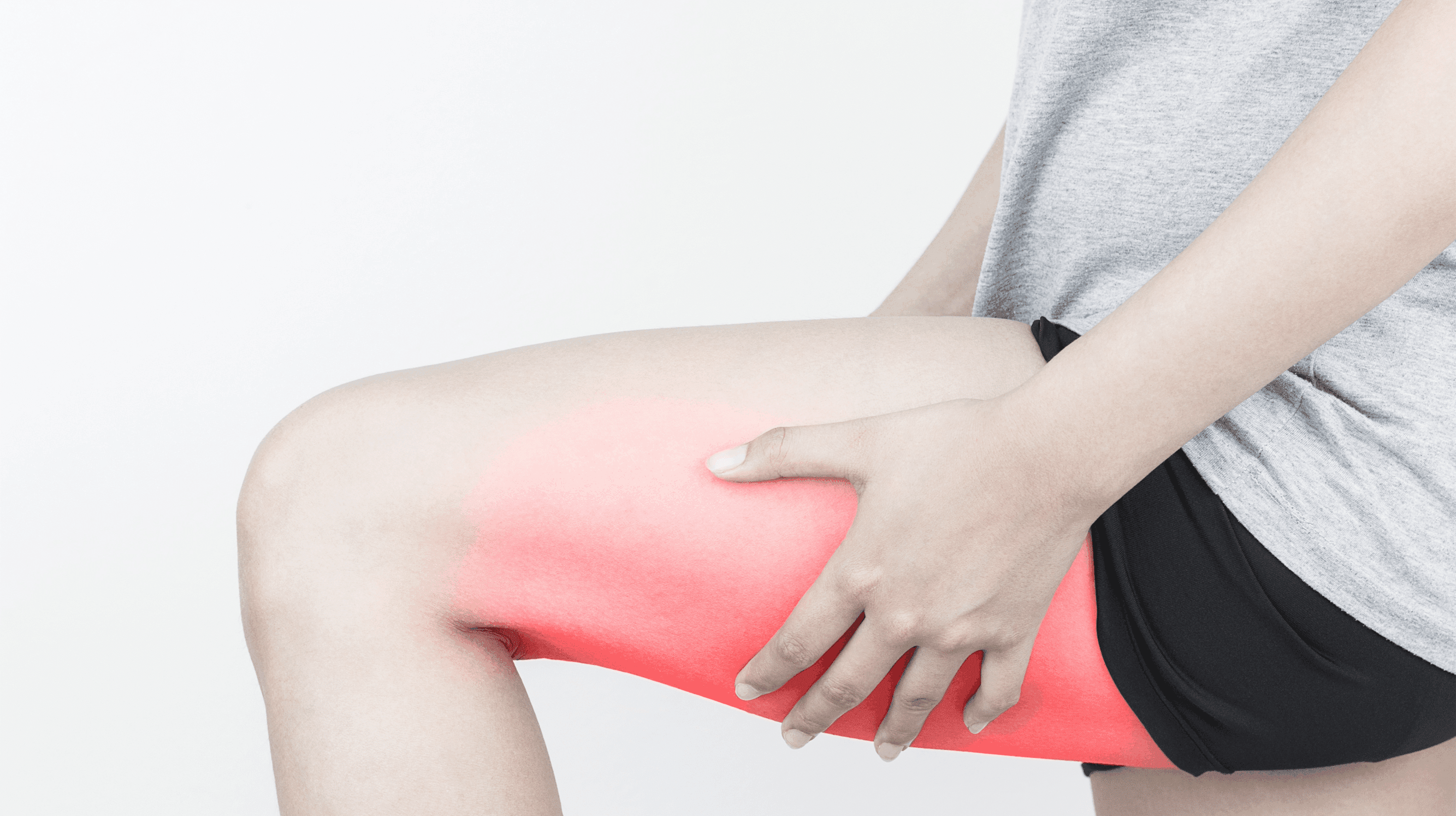
Posterior thigh pain is one of the most misunderstood injuries in sports medicine. Many people assume all hamstring discomfort is the same, usually described as tight muscles or simple overuse. When the biceps femoris, the outer portion of the hamstring, is strained or overloaded, the pain behaves very differently. You might feel a sharp pull during a stride, a tight rope-like sensation behind the thigh, or a stubborn ache that never improves with stretching.
This is often when frustration begins. Traditional methods such as massage, foam rolling, heat therapy, or long static stretches usually provide brief relief because they do not correct the deeper patterns that cause the muscle to tighten or pull again. This is why many people eventually turn to acupuncture, especially when the pain repeatedly returns or begins to interfere with running, training, or everyday movement.
Acupuncture offers a more complete and targeted approach to hamstring recovery. It addresses the injured muscle fibers, but it also works on the pelvic alignment, fascial tension patterns, and neuromuscular imbalances that make the biceps femoris prone to injury. When performed by a skilled practitioner, acupuncture accelerates healing, restores normal function, and significantly reduces the risk of reinjury.
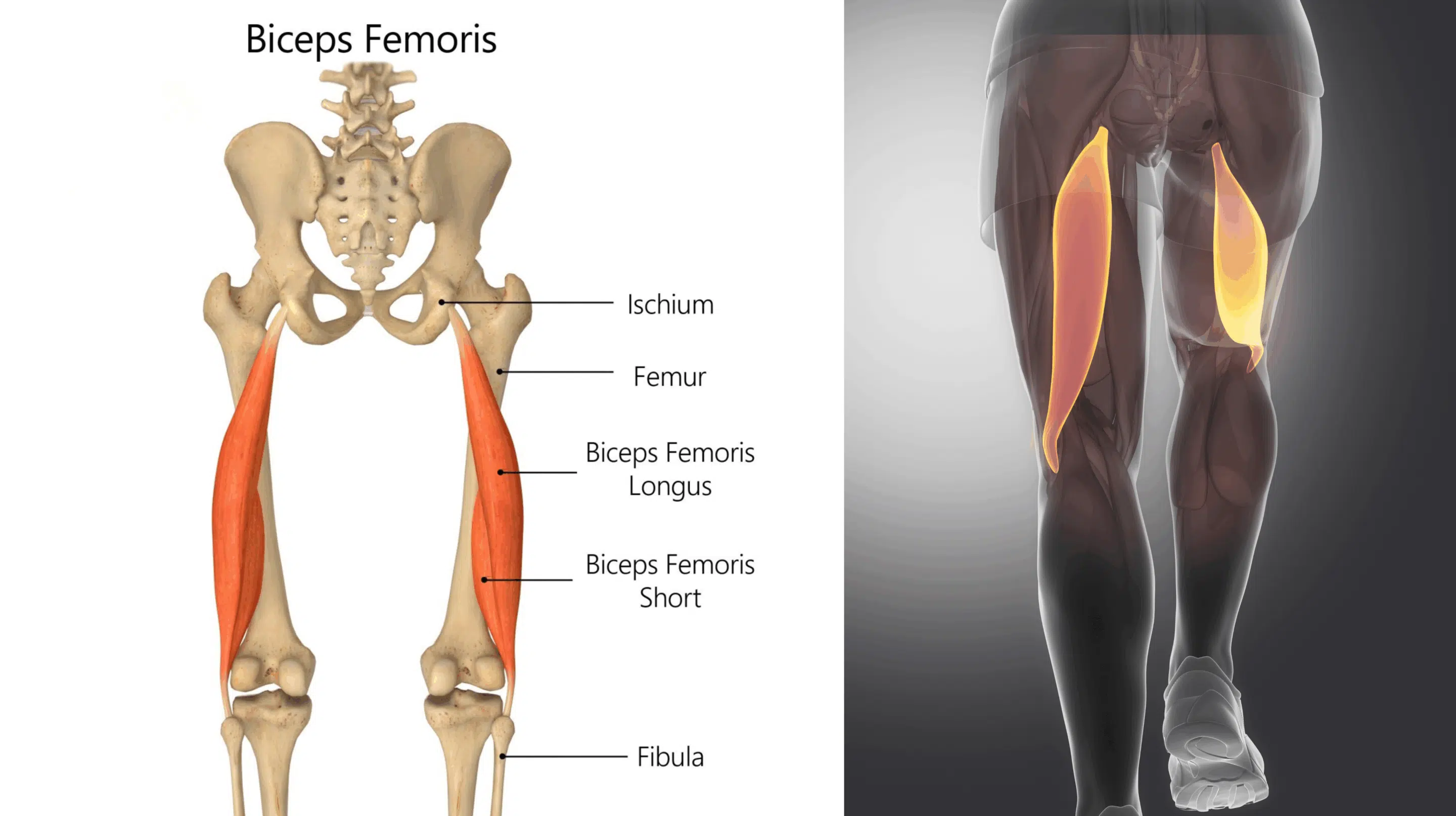
The two parts of the biceps femoris include:
Because each head performs a unique action, discomfort can show up in several locations rather than in one predictable spot.
Common pain locations include:
General hamstring tightness usually feels like a uniform stiffness running along the entire back of the leg.
Biceps femoris pain, on the other hand, is more specific. It often feels sharp, localized, or pulling along the outer portion of the thigh, especially during running, bending, or quick directional movements.
This muscle rarely becomes painful on its own. Its function is closely tied to the pelvis, hips, and lower back, which means imbalances in these areas can easily overload the outer hamstring.
Common contributing issues include:
Because these interconnected structures directly influence the biceps femoris, treating the muscle alone is rarely enough. Long-term relief requires correcting the underlying biomechanical patterns that keep overloading it.
Biceps femoris pain usually develops when the outer hamstring is overloaded, strained, or forced to compensate for nearby weaknesses or alignment issues. The causes can be mechanical, training-related, or posture-related, and most cases involve more than one factor.
Common causes include:
A skilled clinician will evaluate all of these contributing factors, not just the spot where the pain is felt. This is essential for preventing reinjury and restoring normal movement.

Common symptoms include:
If stretching makes the pain sharper or more irritated, the biceps femoris is often the primary muscle involved rather than the entire hamstring group.
Trigger points in the biceps femoris can cause stabbing pain, deep tension, or nerve-like discomfort. Acupuncture stimulates motor points to reset dysfunctional muscle fibers and release knots immediately.
Acupuncture increases blood flow to the injured area, delivering oxygen and nutrients while clearing inflammatory waste. This accelerates the muscle’s natural healing timeline.
Research shows acupuncture regulates inflammatory chemicals (cytokines, prostaglandins), reducing swelling and pain without relying on medication.
A tight biceps femoris can irritate the sciatic nerve or mimic sciatic symptoms. Acupuncture improves nerve conduction and interrupts pain signaling patterns.
Acupuncture does more than reduce pain in the biceps femoris. It also targets the surrounding structures that contributed to the strain in the first place. By restoring balance throughout the posterior chain and pelvis, the muscle can heal properly and remain resilient during movement.
Areas commonly addressed include:
By correcting these imbalances, acupuncture supports a more stable movement pattern and helps prevent the pain from returning.
Acupuncture enhances neuromuscular coordination and retrains the hamstring to activate at the right time during movement. When the muscle fires efficiently and in sync with the glutes and core, the risk of future strain is significantly reduced. This makes acupuncture not only a treatment for current pain but also an important tool for long-term injury prevention.
A targeted acupuncture approach combines local points, distal points, and precise trigger point needling to release tension, improve circulation, and correct the biomechanical patterns contributing to outer hamstring pain.
These points sit directly along the hamstring pathway and help reduce pain, release knots, and improve muscle function:
These points support healing by improving circulation, relaxing the posterior chain, and balancing the lower limb:
Trigger point needling is often essential for true biceps femoris release. A quick twitch response indicates the needle has reached the irritated muscle band and released the knot. Mild soreness afterward is common and typically resolves within twenty-four hours. Deep needling of the hamstring should always be performed by an experienced practitioner who understands anatomy and safe needle depth.
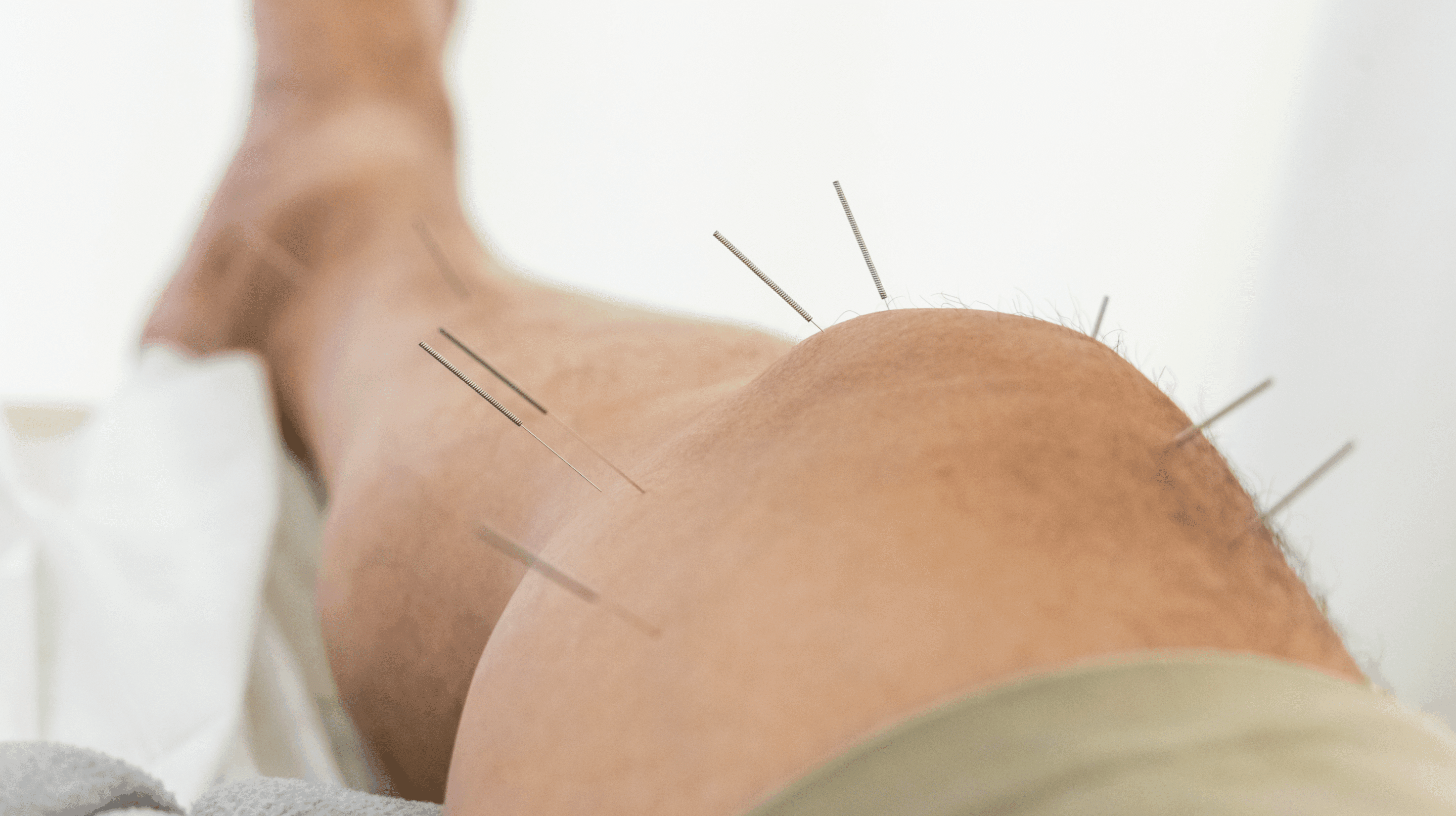
Current evidence from clinical trials and sports medicine research supports acupuncture as an effective therapy for hamstring strains and posterior thigh pain. Findings across multiple studies demonstrate measurable improvements in both short-term symptoms and long-term functional outcomes.
Research consistently shows that acupuncture:
Because of these documented effects, acupuncture is widely used in sports medicine settings and Traditional Chinese Medicine clinics as a primary intervention for hamstring injuries.
Acupuncture for biceps femoris and hamstring pain follows a structured process designed to identify the root cause of your symptoms and release tension along the entire posterior chain. Each session combines assessment, targeted needling, and supportive therapies to improve healing and restore proper muscle function.
During your session, your practitioner will typically:
Each case responds differently depending on strain severity, tissue healing speed, and underlying imbalances. Most patients begin to feel improvement within a few sessions.
Electroacupuncture is often used when the hamstring needs deeper stimulation than manual needling can provide. A mild electrical current is applied between needles to activate muscle fibers, enhance circulation, and accelerate tissue repair. This technique is especially effective for patients with persistent outer hamstring pain or recurring biceps femoris strain.
Traditional Chinese Medicine often pairs acupuncture with manual soft tissue therapies to improve circulation, release stubborn tension, and support faster recovery. These treatments target the fascia, tendons, and muscle layers along the posterior chain, making them especially effective for biceps femoris strain and chronic hamstring tightness.
Both Western sports medicine and acupuncture play valuable roles in treating hamstring injuries, but they approach the problem from different angles. Understanding how each method works helps patients choose a more complete and effective recovery plan.
Common interventions include:
Limitations of this approach:
Acupuncture focuses on:
Acupuncture is especially effective when combined with physiotherapy, strength training, and mobility work, as this integrated approach addresses both the injury and the movement patterns that contributed to it.
Acupuncture accelerates recovery, but what you do between sessions plays a major role in how quickly the biceps femoris heals. A structured home program helps protect the injured muscle, restore strength, and prevent the pain from coming back.
In the first forty-eight to seventy-two hours, focus on protection and gentle movement:
Use RICE (rest, ice, compression, elevation) immediately after a sharp strain or sudden injury.
Use METH (movement, elevation, traction, heat) for lingering tightness or chronic hamstring irritation.
Overstretching irritated fibers can delay healing and increase pain.
Light range-of-motion work keeps the posterior chain active without stressing the injured area.
Once the pain starts improving and acupuncture is underway, shift toward rebuilding strength and alignment:
While mild hamstring tightness often improves with rest and acupuncture, certain symptoms indicate a more serious injury that should be evaluated by a qualified practitioner or sports medicine provider. Seek professional care immediately if you notice:
These issues may involve higher-grade muscle tears, nerve involvement, or tendon damage and should be assessed promptly to prevent long-term complications.
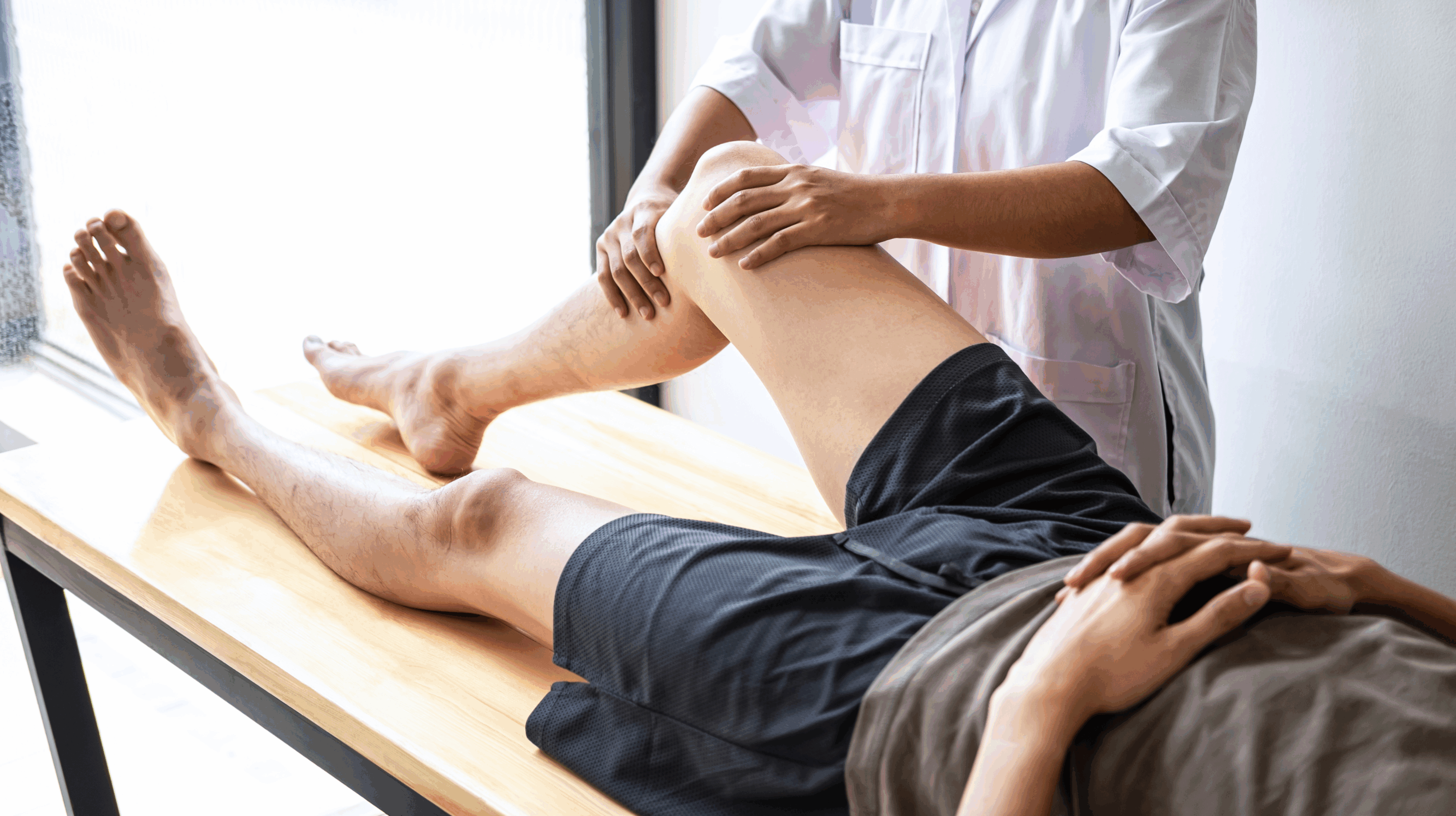
Preventing another hamstring strain requires addressing the factors that overload the biceps femoris in the first place. Consistent training habits and proper movement patterns help protect the outer hamstring from recurring tension.
Key prevention strategies include:
Biceps femoris pain does not have to limit your training or interfere with your daily life. With the right treatment plan, the hamstring can heal fully and regain its natural strength, flexibility, and stability. At ACA Acupuncture and Wellness, we take a holistic approach that goes beyond symptom relief. Our practitioners identify the underlying imbalance that placed stress on the outer hamstring and create a customized treatment plan that supports long-term recovery.
Acupuncture provides a safe, natural, and evidence-based way to ease pain and restore proper muscle function. If your symptoms keep returning or stretching has not helped, this may be the step that finally allows your body to move freely again. At ACA, we combine acupuncture with complementary therapies such as cupping therapy, tuina massage, ear seeding, moxibustion, reflexology, and sessions in our thermal therapy room to enhance circulation, release deep tension, and support the entire healing process.
We are here to help you move comfortably, recover fully, and return to the activities you love with confidence.
Sources:
Carvalho, R. M., Machado, J., Santos, M. J., & Matos, L. C. (2023). Can acupuncture improve the flexibility of hamstring muscles? A randomized, blinded, and controlled pilot study. Healthcare, 11(4), Article 616.
Mild Grade I strains typically improve within two to three weeks when acupuncture is combined with proper rest, mobility work, and glute activation. Grade II strains may require four to six weeks. Chronic or recurring outer-hamstring pain takes longer because pelvic mechanics, nerve tension, and muscle imbalances must be corrected. Many patients feel noticeable improvement within two to four acupuncture sessions.
Yes. Acupuncture can relieve pain referred from the lumbar spine, piriformis muscle, or sciatic nerve irritation. By improving local circulation, calming irritated nerve pathways, and releasing tight muscles in the posterior chain, acupuncture helps reduce both direct and referred pain patterns that mimic biceps femoris strain.
Acupuncture is considered safe for athletes when performed by a licensed practitioner. Most treatments do not require downtime, and many athletes receive acupuncture weekly during training blocks to maintain flexibility, reduce tightness, and prevent reinjury. Deep needling of the hamstring may cause temporary soreness, so scheduling sessions away from speed or heavy lifting days is recommended.
Yes. Research and clinical practice show that acupuncture improves neuromuscular coordination, reduces fascial tension, and corrects pelvic and hip imbalances that overload the biceps femoris. When combined with strength training and proper load management, acupuncture significantly lowers the risk of future strain.
Dry needling focuses solely on releasing trigger points in the muscle. Acupuncture includes trigger point work but also addresses circulation, nerve function, pelvic alignment, and channel pathways that influence the hamstring. For complex cases involving the biceps femoris, acupuncture often provides broader and longer-lasting results.
Acupuncture is effective for high hamstring tendinopathy because it increases microcirculation at the tendon, reduces local inflammation, and releases surrounding muscle tension that keeps the tendon irritated. Electroacupuncture and cupping can further improve healing by stimulating collagen repair and reducing deep adhesions at the sit-bone attachment.
LOCATIONS
MANHATTAN
QUEENS
NEW JERSEY
CALIFORNIA

The over $4 billion US acupuncture market offers a great opportunity with over 10% annual growth rates and a continuing flow of new patients interested in the benefits of acupuncture.
