
Cupping has been trusted for centuries as a powerful way to release deep-seated tension, improve circulation, and promote recovery. The sensation of warm suction on the skin, the rush of blood flow, and the deep relaxation that follows make it more than just a treatment. It is an experience that connects the body and mind. Whether used for pain relief, stress reduction, or muscle recovery, cupping has become a go-to therapy for those seeking balance and rejuvenation.
But how often is too often? Can cupping therapy be done every day, or should it be spaced out? The answer isn’t one size fits all. The frequency depends on personal health goals, experience level, and the specific type of cupping used. For most people, cupping is done anywhere from once a week to once a month, while those using it for injury recovery or chronic pain may benefit from two to three sessions per week for a short period. More intense forms of cupping, especially those that create deeper stimulation, require more time between sessions, often ranging from four to eight weeks, to allow the body to heal properly.
Finding the right timing helps muscles release tension, improves circulation, and supports the body’s natural recovery process without overstimulation.
Cupping has been trusted for centuries as a powerful way to release deep-seated tension, improve circulation, and promote recovery. The sensation of warm suction on the skin, the rush of blood flow, and the deep relaxation that follows make it more than just a treatment. It is an experience that connects the body and mind. Whether used for pain relief, stress reduction, or muscle recovery, cupping has become a go-to therapy for those seeking balance and rejuvenation.
But how often is too often? Can cupping therapy be done every day, or should it be spaced out? The answer isn’t one size fits all. The frequency depends on personal health goals, experience level, and the specific type of cupping used. For most people, cupping is done anywhere from once a week to once a month, while those using it for injury recovery or chronic pain may benefit from two to three sessions per week for a short period. More intense forms of cupping, especially those that create deeper stimulation, require more time between sessions, often ranging from four to eight weeks, to allow the body to heal properly.
Finding the right timing helps muscles release tension, improves circulation, and supports the body’s natural recovery process without overstimulation.
Cupping therapy frequency depends on your health goals, with chronic pain and muscle recovery often requiring 1–2 sessions per week, while stress relief may only need monthly treatments.
Overusing cupping can lead to bruising, fatigue, and reduced effectiveness, making it important to allow proper recovery time between sessions.
Different cupping techniques have different ideal schedules, with dry and moving cupping safe for weekly use, and wet or fire cupping needing 4–8 weeks between treatments.
Cupping frequency should be adjusted based on age and sensitivity, with younger adults tolerating more sessions, and older adults benefiting from gentler, less frequent treatments.
For those who swear by its healing power, cupping can feel like a reset button, melting away tightness, easing stress, and leaving behind a sense of lightness. But overuse can lead to excessive bruising, sensitivity, or even fatigue. Finding the perfect balance ensures that each session leaves you feeling refreshed, not depleted.
Understanding how different cupping techniques impact the body helps create a treatment plan that delivers consistent, lasting results. Whether you’re new to cupping or already love the deep relief it provides, knowing how often to schedule sessions will help maximize its effects while keeping your body in harmony.
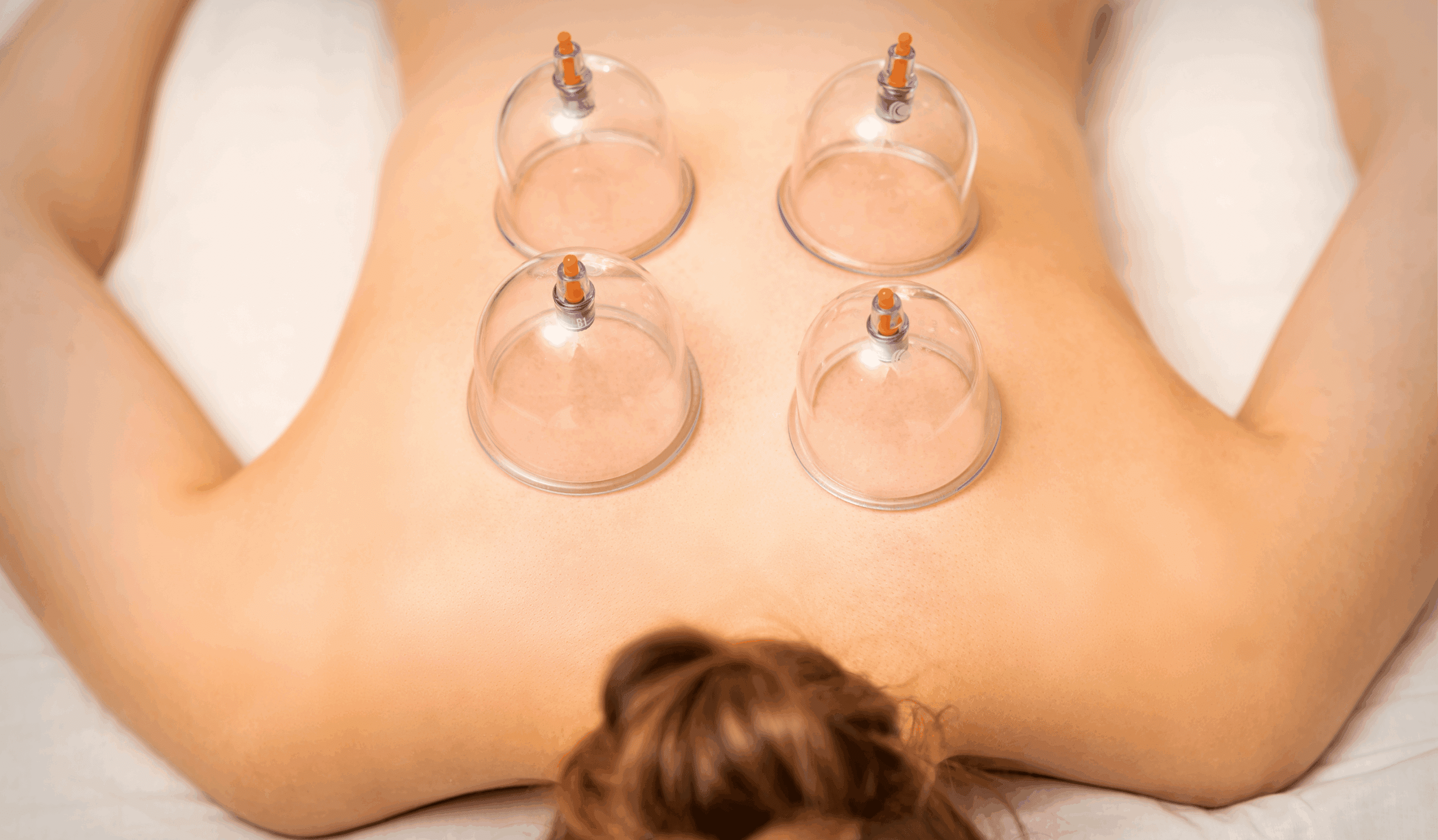
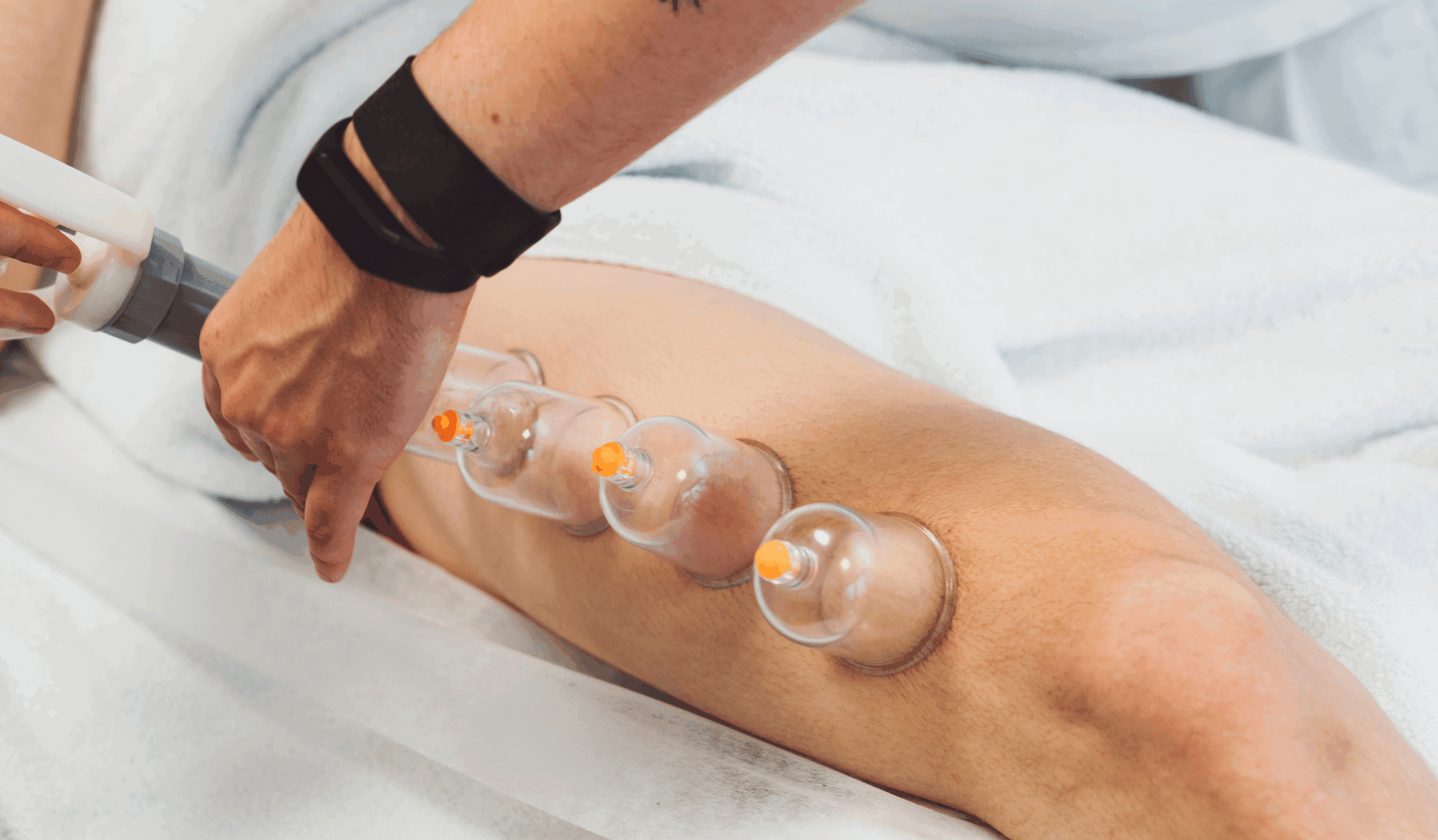
Cupping therapy involves placing suction cups on the skin to improve circulation, reduce muscle stiffness, and promote relaxation. The suction effect draws blood toward the surface, which can help with pain relief, inflammation, and detoxification.
There are several types of cupping, each with its own intensity and benefits. Some are suited for frequent use, while others should be done less often due to their stronger effects on the body.
The ideal cupping schedule depends on several factors:
The purpose of cupping plays a big role in how often it should be done. Different goals require different treatment schedules:
For long-term conditions like arthritis, back pain, or migraines, cupping helps reduce muscle tension, improve circulation, and provide sustained relief. Managing chronic pain often requires a structured approach with consistent treatments to maintain progress.
When dealing with temporary discomfort from an injury or sudden muscle strain, cupping promotes healing by increasing blood flow and reducing inflammation. However, acute issues may require a different treatment strategy to prevent overstimulation and allow the body to recover naturally.
Athletes and physically active individuals often use cupping to support muscle relaxation and recovery. This method helps release tightness, reduce inflammation, and improve mobility, making it an effective tool in maintaining peak performance.
Cupping is widely used to promote relaxation, ease nervous system tension, and encourage overall well-being. Regular treatments can help counteract the effects of daily stress and improve sleep quality.
Wet cupping (Hijama) is commonly used to remove toxins and enhance blood circulation. Because it involves small incisions, proper recovery time is essential to allow the body to heal between treatments.
Gentle facial cupping supports skin health by improving circulation, reducing puffiness, and encouraging collagen production. Since this technique is milder than traditional body cupping, it can be integrated into a regular skincare routine without causing strain.
Cupping is believed to stimulate the immune system by promoting lymphatic drainage and circulation. Regular treatments may help the body defend against seasonal illnesses and improve overall resilience.
For those dealing with stiffness or mobility restrictions, cupping can loosen tight muscles and fascia, making movement easier. This is particularly helpful for individuals with conditions like arthritis or joint pain.
By reducing muscle tension in the neck, shoulders, and upper back, cupping can help alleviate tension headaches and migraines. Improved blood flow to the head and neck may also contribute to fewer headache episodes.
Cupping is sometimes used to support digestive function by improving circulation to the abdominal area. It may help with bloating, indigestion, and sluggish metabolism by promoting movement in the digestive tract.
Some individuals use cupping as part of their rehabilitation process after surgery to reduce scar tissue formation, improve circulation, and ease muscle tightness in surrounding areas.
Cupping may help with menstrual discomfort and hormonal imbalances by improving blood circulation in the lower abdomen. Some people find relief from cramps, irregular cycles, and symptoms of hormonal fluctuations.
Cupping on the back and chest may help with conditions like asthma, congestion, and chronic coughs by promoting circulation in the lungs and reducing phlegm buildup.
Your cupping frequency should align with your goals and your body’s response to treatment. Here’s a general guide to how often you can safely incorporate cupping into your wellness routine:
At ACA Acupuncture and Wellness, we personalize each cupping treatment to match your unique needs. Our practitioners assess your condition and goals to recommend an optimal schedule that supports your overall well-being. Whether you’re looking for pain relief, muscle recovery, or relaxation, we tailor our approach to ensure you get the most from each session.
Beginners should start slowly and allow their bodies to adjust before increasing frequency.
First-time cupping sessions should be spaced 1-2 weeks apart to observe how the body reacts. Some people experience mild soreness or fatigue after their first few treatments, and allowing time to recover helps avoid overstimulation.
Intermediate users who are comfortable with cupping can increase frequency based on their goals. Pain management, muscle recovery, and stress relief may require more regular treatments.
Experienced individuals who have incorporated cupping into their wellness routine can safely follow a weekly, biweekly, or monthly schedule, depending on their needs.
Everyone reacts to cupping differently. While some people feel energized and refreshed, others may experience temporary fatigue, soreness, or bruising. Pay attention to how your body responds:
If you feel revitalized and pain-free after a session, your body is likely responding well to cupping, and you can continue your schedule.
If you notice excessive bruising, soreness lasting beyond a few days, or extreme fatigue, it may be a sign that your body needs more time to recover. Consider reducing frequency or opting for a gentler form of cupping, like moving cupping or silicone cupping.
A good rule of thumb:
If cupping marks take longer than usual to fade (e.g., lasting over 7-10 days), space out sessions further to allow the skin and tissue to heal properly.
If you feel too drained or fatigued after a session, you may be overdoing it and should reduce your cupping frequency.
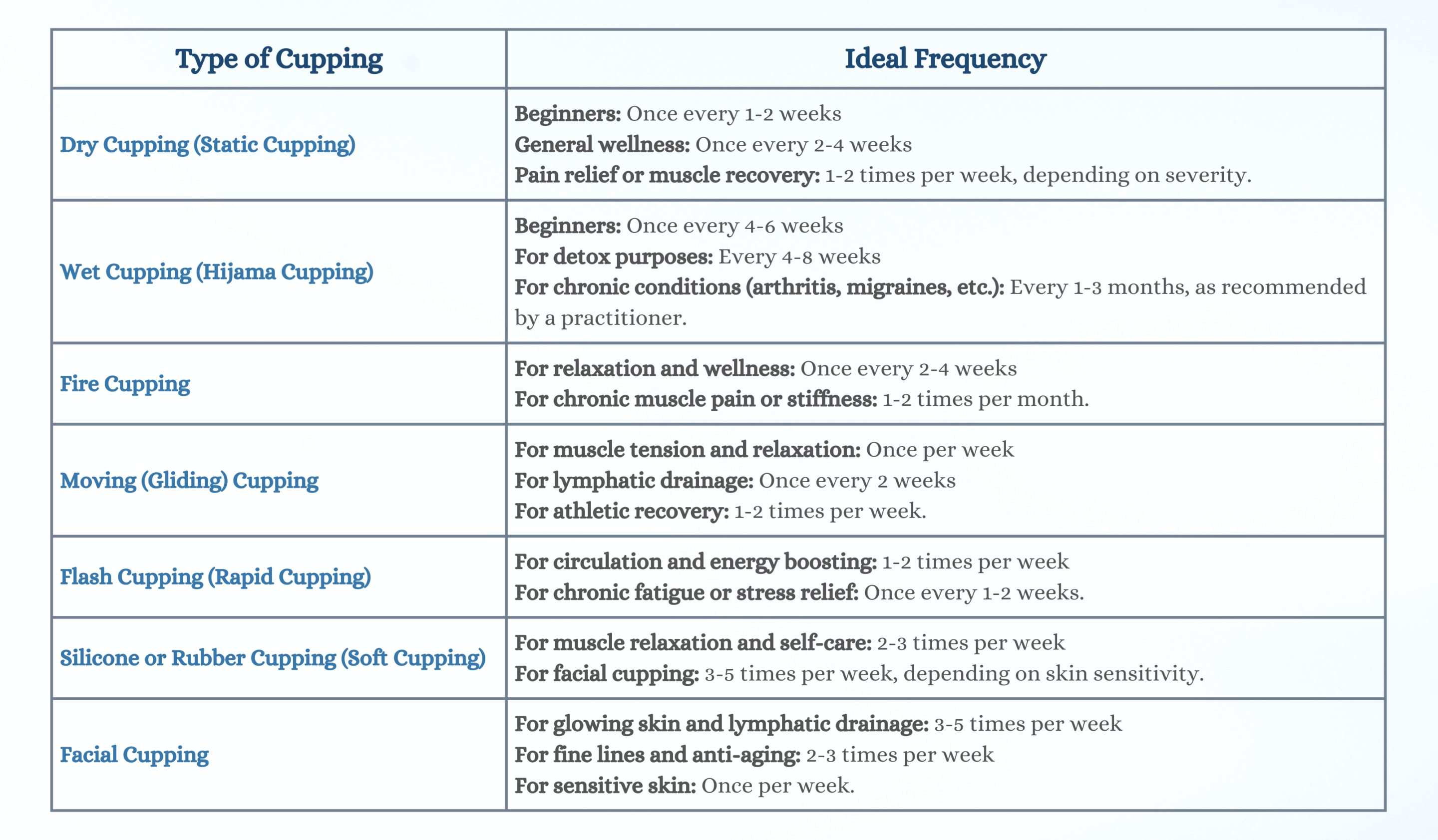
Different cupping techniques have different effects on the body, which impacts how frequently they should be used:
The most common form of cupping, where suction cups are placed on the skin without incisions. Helps with pain relief, muscle relaxation, and circulation. Safe for weekly or biweekly sessions, especially for muscle recovery and pain relief.
A more intensive form where tiny incisions are made before applying suction to draw out stagnant blood and toxins. Commonly used for detoxification and chronic pain relief. Due to its detoxifying nature, it should be done every 4-8 weeks to allow proper healing.
Uses heat and suction to penetrate deep into muscles, commonly used for stiffness, tension, and circulation issues. Creates strong suction and should be done once or twice per month to prevent overstimulation.
Cups are moved across the skin using oil, similar to a deep tissue massage. Effective for muscle tension, lymphatic drainage, and stress relief. Can be performed weekly or biweekly, as it works similarly to deep tissue massage.
A gentle technique where cups are quickly applied and removed to stimulate circulation without leaving marks. Often used to boost energy and improve circulation. A milder technique that can be done 1-2 times per week for circulation and energy-boosting benefits.
Uses soft, flexible cups instead of rigid glass, making it gentler on the skin. Commonly used for self-massage and facial cupping. Often used for home massage or facial cupping, and can be done multiple times per week.
A specialized form using small, gentle cups on the face to promote collagen production, reduce puffiness, and enhance skin glow. A gentle technique that can be done 3-5 times per week without causing bruising.
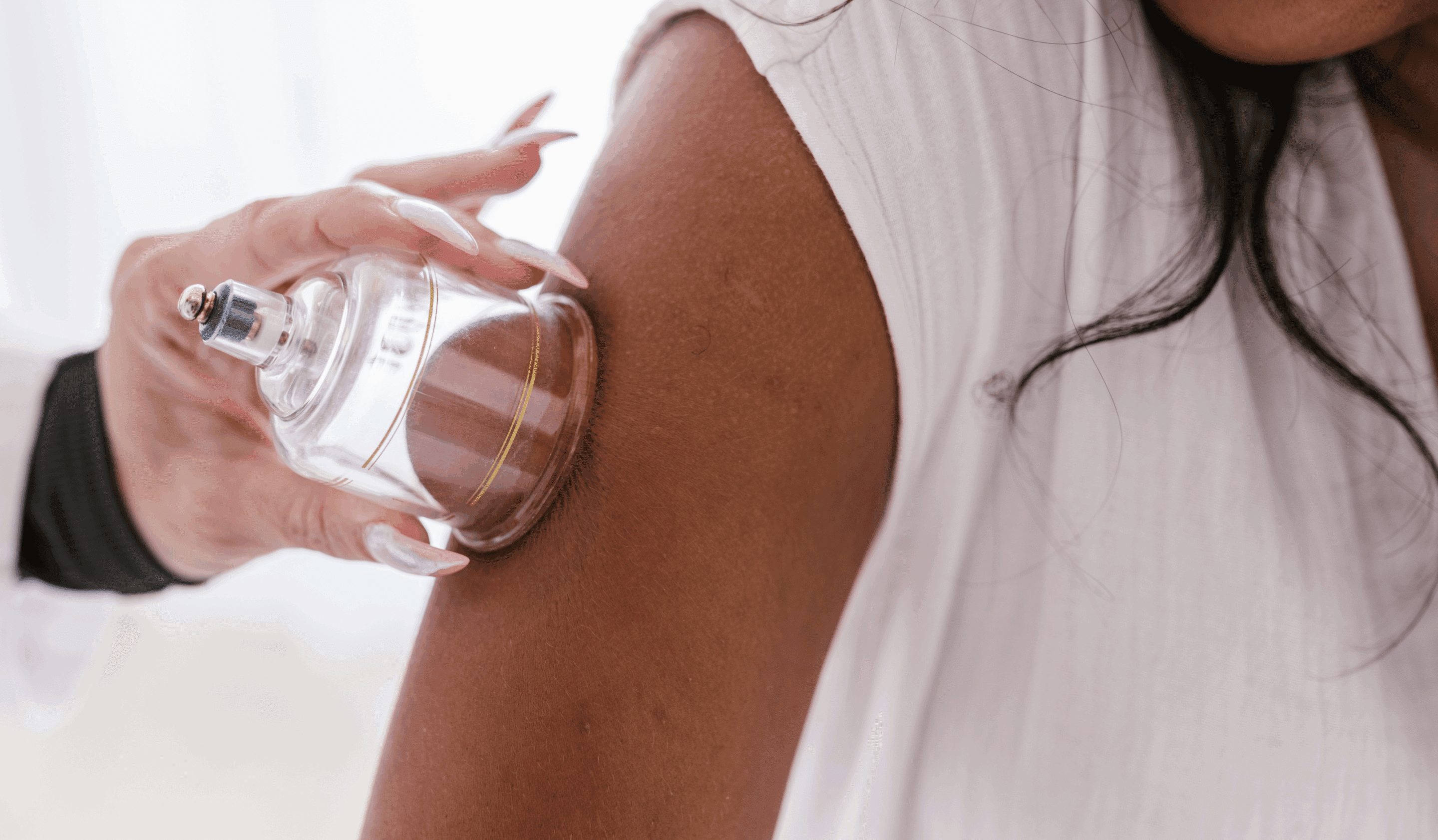
Cupping therapy can be applied to various areas of the body, each with different recovery times and sensitivity levels. The frequency of cupping should be adjusted based on the area being treated to avoid overstimulation and allow proper healing.
Each part of the body responds differently to cupping, and the ideal frequency depends on factors such as muscle density, skin sensitivity, and the purpose of treatment. Adjusting the timing of sessions ensures optimal benefits without overstressing the body.
Cupping therapy offers benefits at every stage of life, but the frequency and intensity should be adjusted based on age. Younger individuals generally recover more quickly from cupping sessions, allowing for more frequent treatments, while older adults may require gentler techniques and longer recovery times to prevent excessive strain. Children and teens should only undergo cupping when necessary and under professional guidance.
Understanding how different age groups respond to cupping can help create a safe and effective treatment plan that maximizes benefits while allowing the body to heal properly.
Young adults tend to recover quickly and can tolerate more frequent cupping sessions. Those who engage in intense physical activity or sports may benefit from weekly treatments to enhance muscle recovery and circulation. Dry cupping, moving cupping, and flash cupping are ideal for this age group, as they promote faster muscle relaxation and reduced stiffness. However, wet cupping should still be spaced every 4-8 weeks to avoid excessive detoxification and unnecessary stress on the body.
As the body gradually slows its recovery process, middle-aged adults may require focused treatments for pain relief, circulation improvement, and joint mobility. Cupping can help reduce inflammation, alleviate chronic pain, and improve flexibility. Fire cupping, moving cupping, and dry cupping are effective options for this age group, but wet cupping should be limited to every 6-8 weeks to prevent excessive strain on the body.
Older adults typically experience slower healing and may be more prone to bruising or skin sensitivity. To prevent excessive strain, cupping should be done less frequently, with a focus on gentler techniques. Light dry cupping, moving cupping, and silicone cupping are the best options, as they provide relief without overstimulating the body. Fire cupping and wet cupping should be approached with caution and only performed under professional supervision. If an individual has thin skin, low blood pressure, or underlying medical conditions, cupping frequency should be further reduced, with treatments adjusted based on the body’s response.
Cupping is not typically recommended for children unless performed by a licensed professional. In Traditional Chinese Medicine (TCM), it is occasionally used for respiratory conditions, such as asthma and colds, or for stress relief and anxiety management. Light cupping techniques like silicone cupping or flash cupping can be used under supervision, but wet cupping and fire cupping should be avoided due to the delicate nature of younger skin.
Every age group benefits from different approaches to cupping, ensuring safe and effective treatments without overstimulation. Younger individuals may tolerate more frequent sessions, while older adults should allow longer recovery periods. Children and teens should only receive cupping when necessary and under professional supervision.
Adjusting the type and frequency of cupping based on age, recovery speed, and health conditions ensures that cupping therapy remains a powerful and supportive wellness tool throughout life. At ACA Acupuncture & Wellness, our experienced practitioners provide personalized cupping treatments tailored to individual needs, ensuring safe and effective care at every stage of life. If you’re unsure about how often you should do cupping, our team can help create a treatment plan that works best for your body.
Cupping therapy provides deep relief for muscle tension, circulation issues, and overall wellness, but overuse can lead to unwanted side effects. Too much cupping in a short period can result in excessive bruising, fatigue, overstimulation, and even reduced effectiveness over time. Knowing when to take a break ensures that each session supports recovery rather than overwhelming the body.
Cupping naturally leaves marks due to increased blood flow in the treated area, but when done too frequently, these marks may last longer than usual. If the skin does not have enough time to heal between sessions, bruising may become darker, tenderness may persist, and sensitivity can increase. Some people experience irritation or thinning of the skin if suction is applied too often in the same area.
Since cupping enhances circulation and promotes detoxification, it can cause temporary fatigue, dizziness, or weakness, especially if performed too frequently. Those who experience lightheadedness after cupping sessions may be overdoing it. People with low blood pressure are particularly sensitive to these effects and should allow more time between treatments.
Wet cupping, also known as Hijama, involves small incisions to remove stagnant blood. Repeating this treatment too often without allowing the skin to heal properly increases the risk of infection or excessive inflammation. Frequent sessions may also weaken the immune response, making the body more vulnerable to illness. Proper hygiene and adequate recovery time are essential when using wet cupping.
Frequent or high-intensity cupping can cause stress on blood vessels, leading to increased fragility over time. If capillaries become too weak, excessive bruising or slower healing may occur. This is particularly important for individuals with thinner skin or poor circulation, as overuse can result in unnecessary strain on the vascular system.
Cupping works deeply within muscle tissue, and overuse can lead to prolonged soreness rather than relief. Excessive treatments may cause muscle fatigue instead of recovery, especially when combined with other therapies like deep tissue massage. Overstimulating the nervous system with too many cupping sessions may also result in restlessness, disrupted sleep, or feelings of exhaustion rather than relaxation.
Just like any other form of therapy, cupping should be used strategically to maintain its effectiveness. When done too often, the body may become desensitized to its benefits, reducing the impact of each session. Giving the body time to recover between treatments ensures that cupping remains an effective tool for pain relief, muscle recovery, and relaxation.
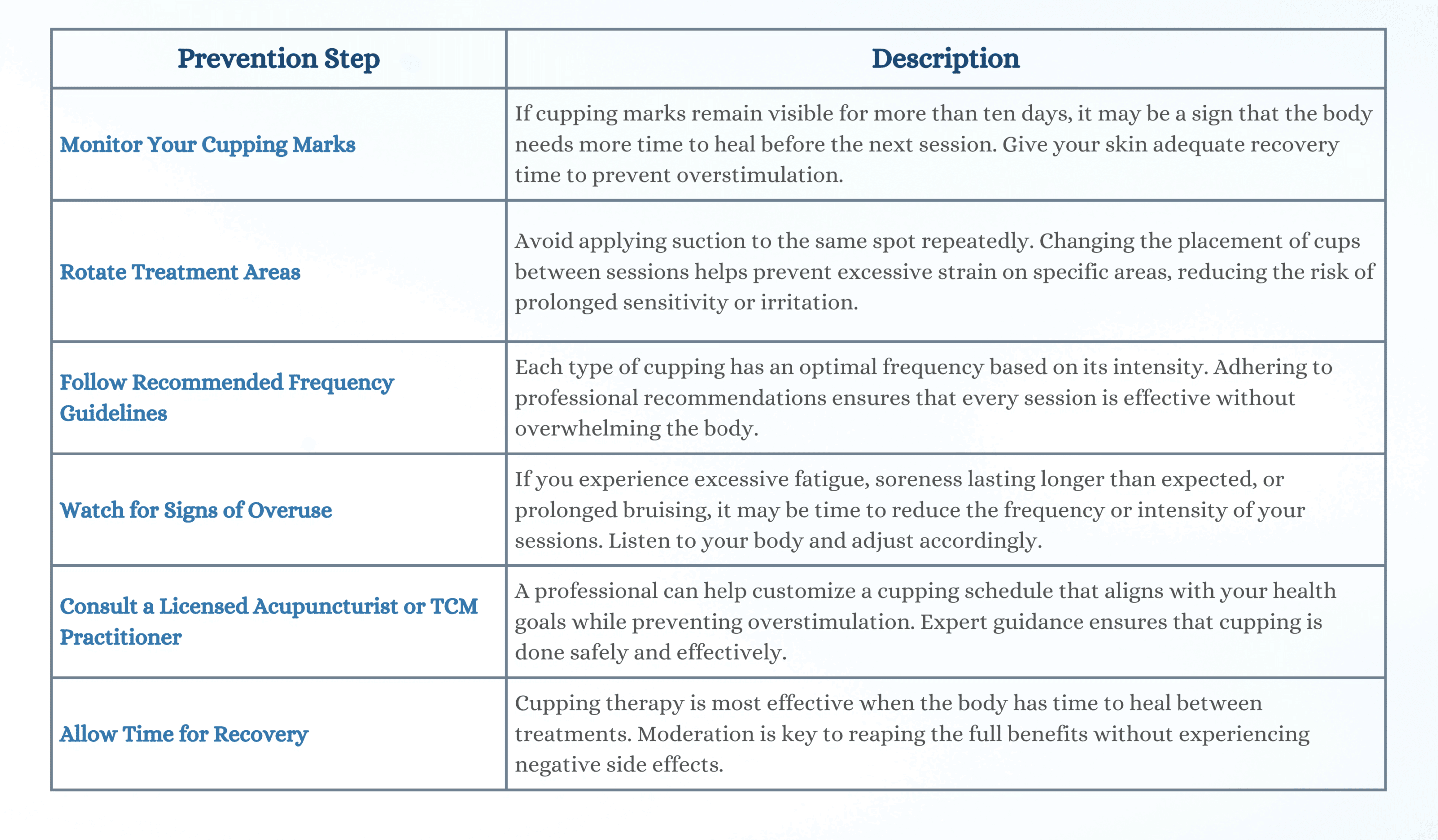
Cupping therapy is a powerful tool for pain relief, muscle recovery, and overall wellness, but finding the right frequency is essential to maximize its benefits without overstimulation. Whether you’re looking to ease chronic pain, enhance athletic performance, or simply promote relaxation, cupping can be tailored to your unique needs.
At ACA Acupuncture & Wellness, our experienced practitioners offer personalized cupping treatments designed to fit your individual wellness goals. If you’re unsure about how often you should incorporate cupping into your routine, our team is here to help. Book a session today and experience the benefits of cupping in a way that supports your body’s natural balance.
Source:
National Center for Complementary and Integrative Health. (2019). Cupping. National Institutes of Health.
Al-Bedah, A. M. N., Elsubai, I. S., Qureshi, N. A., Aboushanab, T. S., Ali, G. I. M., El-Olemy, A. T., Khalil, A. A. H., Khalil, M. K. M., & Alqaed, M. S. (Year). The medical perspective of cupping therapy: Effects and mechanisms of action.
For most people, cupping therapy can be done once a week or every other week, depending on individual needs and how the body responds. Some may benefit from more frequent sessions, while others may need longer recovery periods.
No, cupping is not recommended every day. The body needs time to recover from the therapy, as excessive cupping can lead to excessive bruising, skin irritation, and fatigue. A gap of at least 3–7 days between sessions is generally advised.
Most practitioners recommend waiting at least 3–7 days between cupping sessions to allow the body to heal and prevent overstimulation. However, the ideal frequency depends on your condition and how your body responds to treatment.
It’s best to allow at least a few days for the skin to recover before treating the same area again. Over-cupping the same spot can cause excessive bruising, tenderness, and even skin damage.
Cupping can be done up to two times a week for certain conditions, especially in acute pain or sports recovery. However, for general wellness, spacing treatments every one to two weeks is usually sufficient.
Yes, excessive cupping can cause skin damage, prolonged bruising, soreness, fatigue, and even increased sensitivity in the treated areas. It’s important to give your body time to recover between sessions.
Yes, many people incorporate cupping into their wellness routine on a biweekly or monthly basis for muscle relaxation, circulation, and stress relief. The frequency should be adjusted based on personal response.
The effects of cupping can last anywhere from a few days to a couple of weeks, depending on the individual and the condition being treated. Some may feel relief after just one session, while others need multiple treatments for lasting benefits.
LOCATIONS
MANHATTAN
QUEENS
NEW JERSEY
CALIFORNIA
The over $4 billion US acupuncture market offers a great opportunity with over 10% annual growth rates and a continuing flow of new patients interested in the benefits of acupuncture.
